A senior engineer reveals how combining Claude AI agents with strategic task decomposition creates unprecedented coding flow states. This battle-tested workflow transforms AI from a novelty into a production-grade collaborator while preserving deep technical oversight.

I recently experienced something extraordinary: deep, uninterrupted flow state while building production systems. The catalyst? A meticulously engineered workflow using Claude AI agents that handles boilerplate while preserving strategic control. After weeks of refinement across high-stakes projects, here's how senior engineers can harness AI collaboration without sacrificing quality.
The Skeptic's Advantage
Healthy skepticism about AI's role in development is warranted—cynicism is not. As one engineer notes: "We should be skeptical of anything upending our field with such ferociousness." This workflow channels skepticism into structural guardrails.
Phase 1: Architecting the Foundation
Context is King
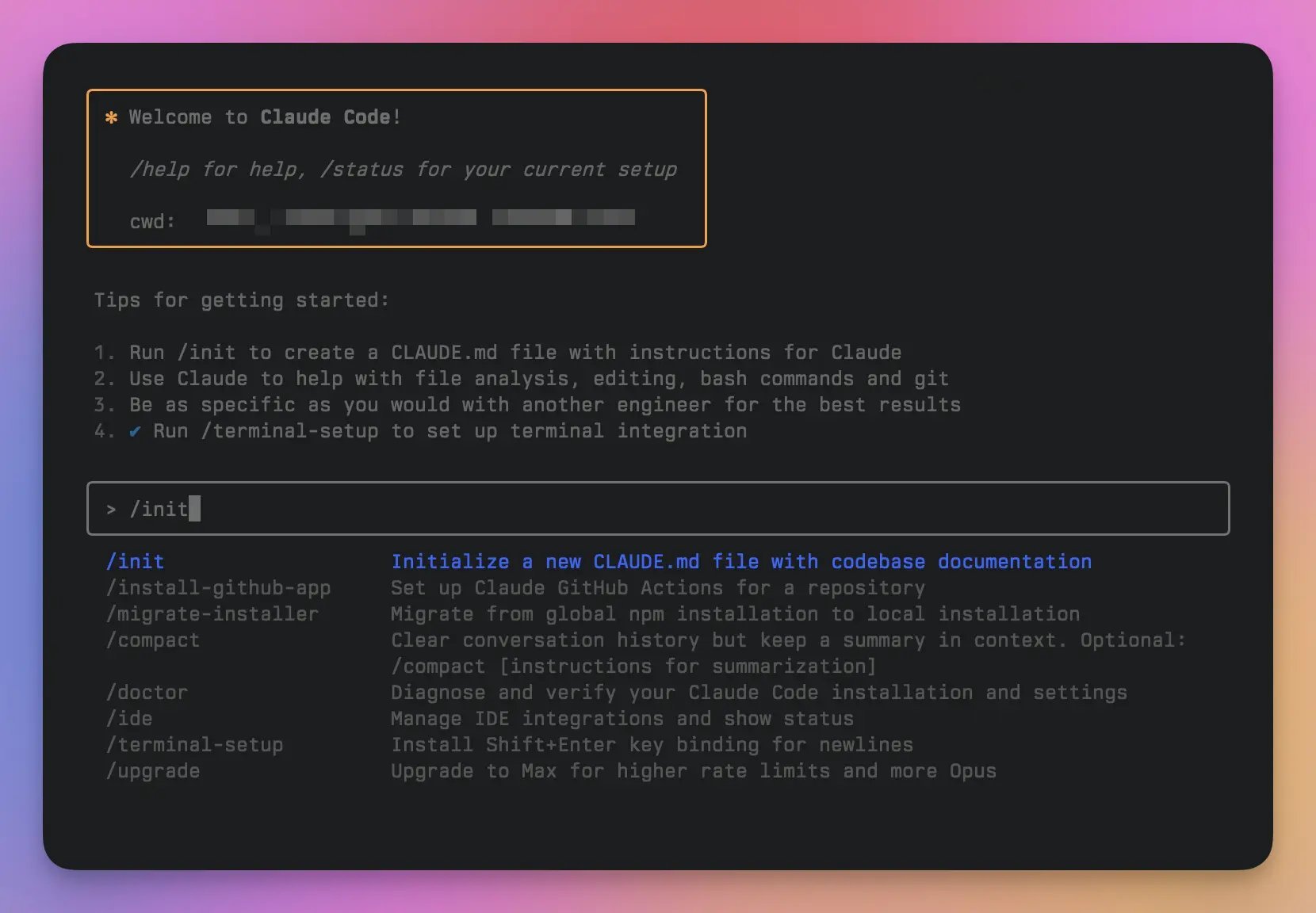
Repeating project specifics murders momentum. The solution: a centralized master_ai_instructions.md documenting:
- Architecture patterns
- Toolchain constraints ("Only Tailwind CSS v4")
- Build commands (
make testvsmake tests) - Domain logic invariants
This single source of truth prevents context-switching and enables vendor-agnostic agent handoffs.
Atomic Task Decomposition
Senior engineers shine in breaking problems into executable units. Using this prompt, Claude generates JIRA-ticket-aligned plans:
You are an Expert Task Decomposer...

**CRITICAL RULES**
- **Atomicity:** Each task must be a single, focused unit of work...
- **Clarity:** Write instructions executable without additional context...
Plans live in .ai/plans/ with strict templates:
# Task: [Name]
**Problem:** [Brief]
**Dependencies:** [List]
**Plan:**
1. [Step 1]
2. [Step 2]
**Success Criteria:** [Checklist]
"This planning phase is where experience shines," the author emphasizes. "You spot unnecessary tasks, challenge assumptions, and shape robust sequences."
Phase 2: Parallel Agent Execution
With plans approved, spawn three specialized agents per task:
- The Implementer: Core logic development
- The Tester: Validation suites assuming successful implementation
- The Documenter: Real-time updates to
.ai/docs/
This trifecta executes concurrently with minimal merge conflicts. During execution, engineers review code as it materializes, course-correcting when patterns emerge:
"I don’t hesitate to stop the agents, refine the plan, and set them off again. I’m still doing ‘code thinking’—evaluating approaches to find optimal solutions."
Phase 3: The Quality Gauntlet
Aggressive Refactoring
Tests frequently fail initially—by design. This triggers critical analysis: Is the code flawed or the test incomplete? Engineers then lead targeted fixes:
"Refactor aggressively. It’s painful but necessary for codebase hygiene. I devise the strategy and direct agents to execute or validate it."
Final Human Review
Code undergoes GitHub PR review just like human-authored work. "Seeing diffs in this context reveals hidden flaws," notes the engineer. Significant issues loop back to agents; minor tweaks get manual fixes.
The Flow State Payoff
This workflow shifts grunt work to AI while reserving architectural control for engineers. The result? Sustained deep work: "I’m producing better code because I’m spending more time evaluating approaches than wrestling boilerplate."
As AI reshapes development, senior engineers who master agent choreography won’t just survive the transition—they’ll enter their most productive era.
Comments
Please log in or register to join the discussion