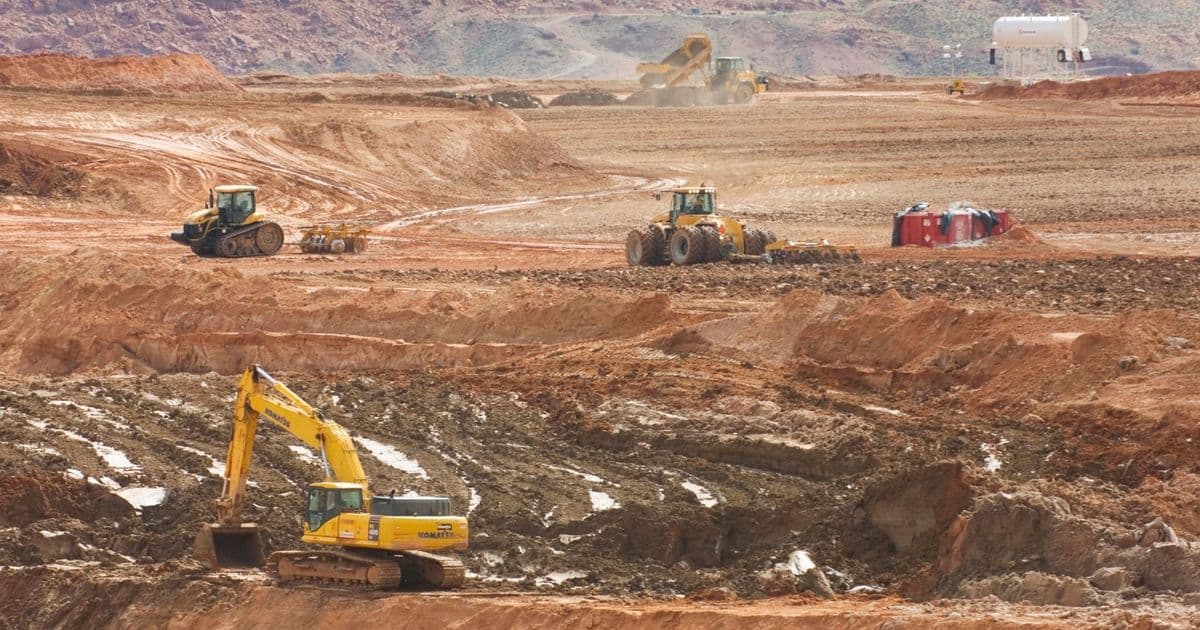
Major tech companies are negotiating long-term uranium supply contracts with mining firms to ensure nuclear fuel availability for the massive power demands of AI infrastructure, following the EV industry's lithium strategy.
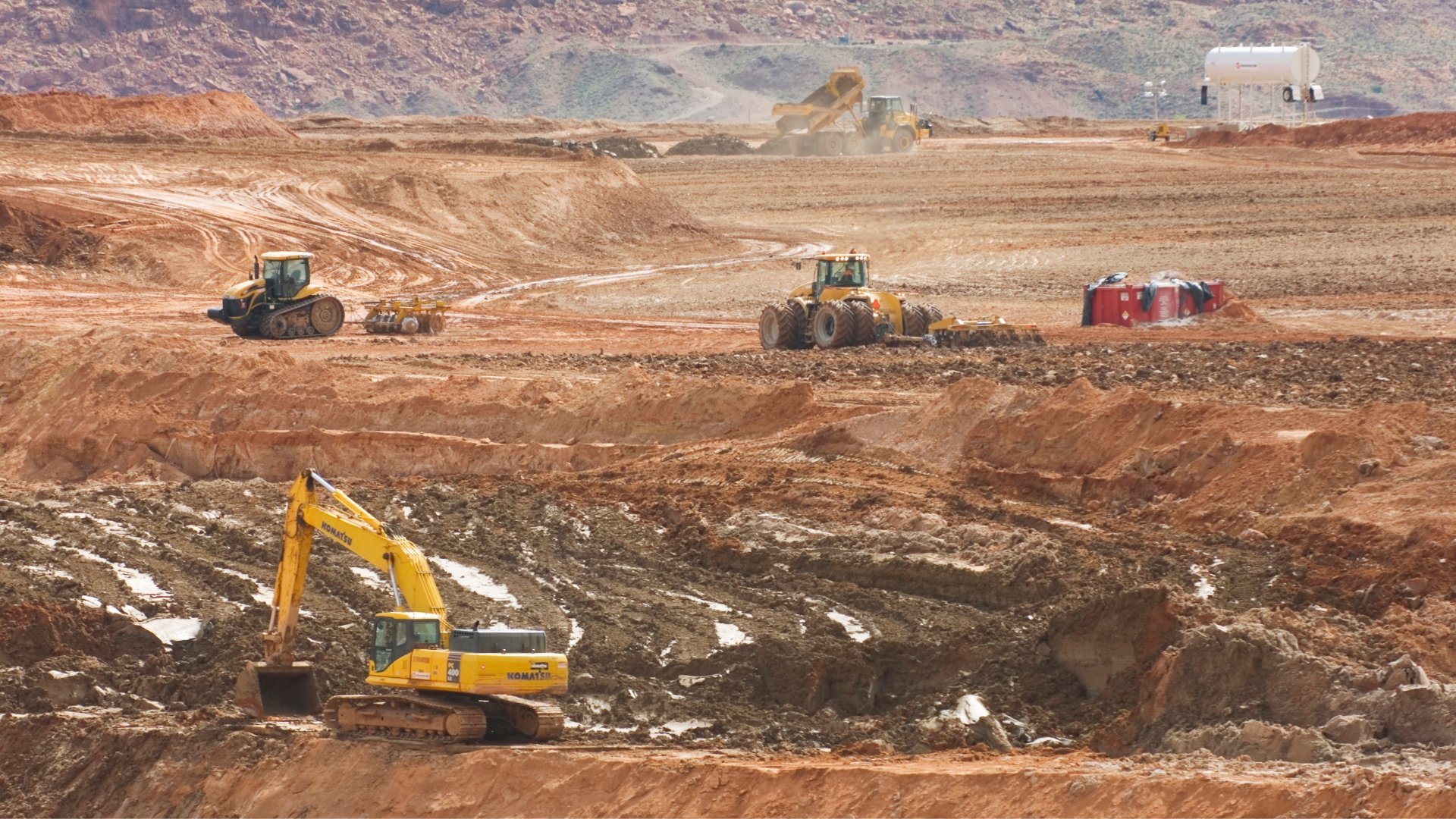
The intersection of artificial intelligence infrastructure and nuclear energy is taking a surprising turn as major tech companies begin securing long-term uranium supply contracts to power their future data centers. NexGen Energy, a Canadian uranium mining company, has revealed it's in advanced talks with data center providers to finance its Rook 1 uranium project in Saskatchewan, Canada.
This strategic move mirrors the automotive industry's approach to securing lithium supplies for electric vehicles. "It's coming. You've seen it with automakers," said Leigh Curyer, NexGen's CEO. "These tech companies, they're under an obligation to ensure the hundreds of billions that they are investing in the data centers are going to be powered."
The Saskatchewan mine represents a significant find, with projections suggesting it could supply up to 20% of global uranium demand by 2030. The project has already secured a key permit this month and is expected to receive final regulatory approval by mid-2025.
The Power Behind AI's Growth
The push for uranium supply comes as AI infrastructure demands unprecedented power generation. OpenAI has called on the U.S. government to build 100 gigawatts of additional power-generating capacity annually – equivalent to approximately 100 nuclear reactors every year. This massive power requirement is driven by the computational intensity of training large language models and running inference at scale.
Tech giants are increasingly investing in small modular reactors (SMRs) as a solution to their growing power needs. These compact nuclear reactors offer several advantages over traditional nuclear plants: they can be manufactured in factories and assembled on-site, reducing construction time and costs, and they can be scaled incrementally as power demands grow.
Market Dynamics and Supply Chain Strategy
The uranium market is experiencing a fundamental shift as AI companies adopt a proactive approach to resource security. Unlike traditional energy procurement, where companies purchase power from utilities, tech companies are moving upstream in the supply chain to secure the raw materials needed for power generation.
The financing discussions between NexGen and data center providers focus on earmarking uranium supplies for clients without giving them operational control over the mining company. This arrangement allows tech companies to secure priority access to uranium while maintaining the mining company's independence and expertise in extraction and processing.
Crucially, the cost of uranium will not be locked in at today's prices but will instead be tied to market pricing. This approach provides flexibility for both parties as uranium prices fluctuate based on supply and demand dynamics.
Global Competition and Energy Security
The urgency behind these uranium supply agreements is amplified by the intensifying AI race between the United States and China. As both nations compete for technological supremacy, ensuring reliable power sources for AI infrastructure has become a matter of national strategic importance.
This trend represents a significant evolution in how tech companies approach infrastructure planning. Rather than simply building data centers and connecting them to the grid, companies are now securing the entire energy supply chain – from raw materials to generation capacity.
Future Implications
If SMR technology proves successful and scalable, the demand for uranium could increase dramatically, potentially leading to shortages similar to those currently experienced in the semiconductor industry. By securing uranium supplies now, AI hyperscalers are attempting to avoid the supply chain bottlenecks that have plagued other technology sectors.
The nuclear energy approach also aligns with growing corporate sustainability goals. Nuclear power provides reliable, carbon-free baseload power that can complement intermittent renewable sources like solar and wind, making it an attractive option for companies committed to reducing their carbon footprint while meeting massive power demands.
As AI continues to evolve and require more computational power, the relationship between technology infrastructure and energy resources will only grow more intertwined. The current moves by tech companies to secure uranium supplies may represent the beginning of a broader trend where digital infrastructure companies take greater control over their energy supply chains, from raw materials to generation.

The success of these uranium supply agreements could set a precedent for other critical resources needed for AI infrastructure, potentially reshaping how the tech industry approaches long-term resource planning and energy security in an increasingly power-hungry digital future.
Comments
Please log in or register to join the discussion