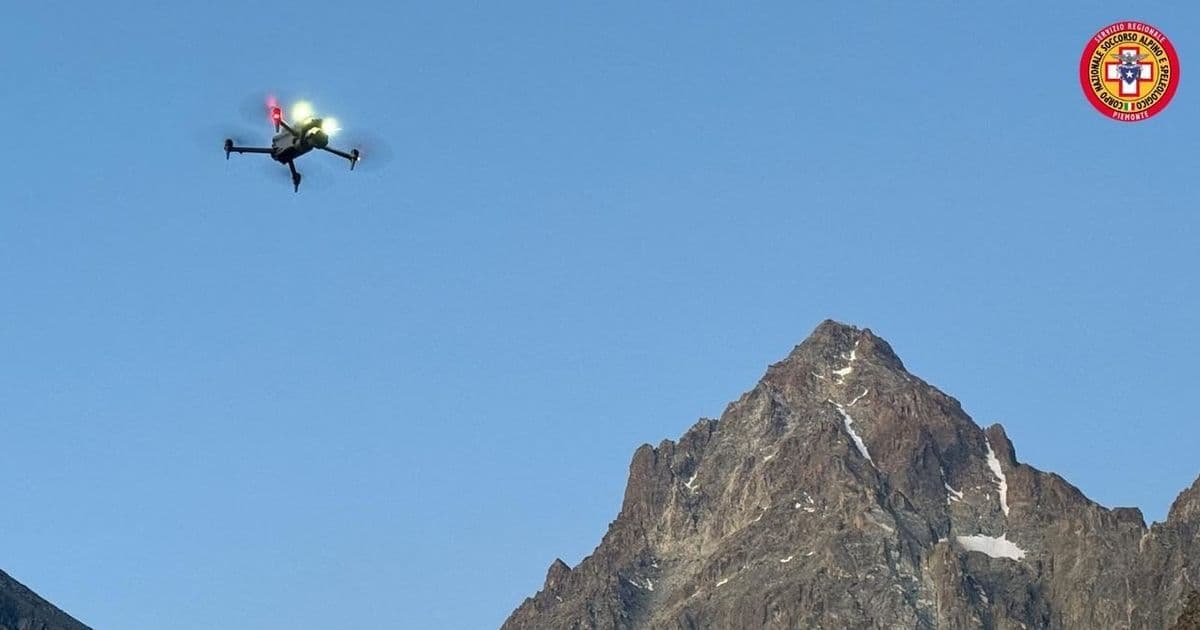
Italian rescuers harnessed AI and drone technology to find a hiker missing for 10 months in the treacherous Monviso Alps. By analyzing 2,600 aerial frames in one afternoon, the system pinpointed a helmet that human searchers might have taken weeks to identify, showcasing a seismic shift in search-and-rescue capabilities.
Finding a single hiker's helmet across 183 hectares of alpine wilderness seems like searching for a needle in a glacier. Yet Italy’s National Alpine and Speleological Rescue Corps (CNSAS) achieved precisely that in July, locating the remains of 64-year-old Nicola Ivaldo—missing since September 2024—in under three days. The breakthrough wasn’t luck; it was artificial intelligence.
The Algorithmic Hunt
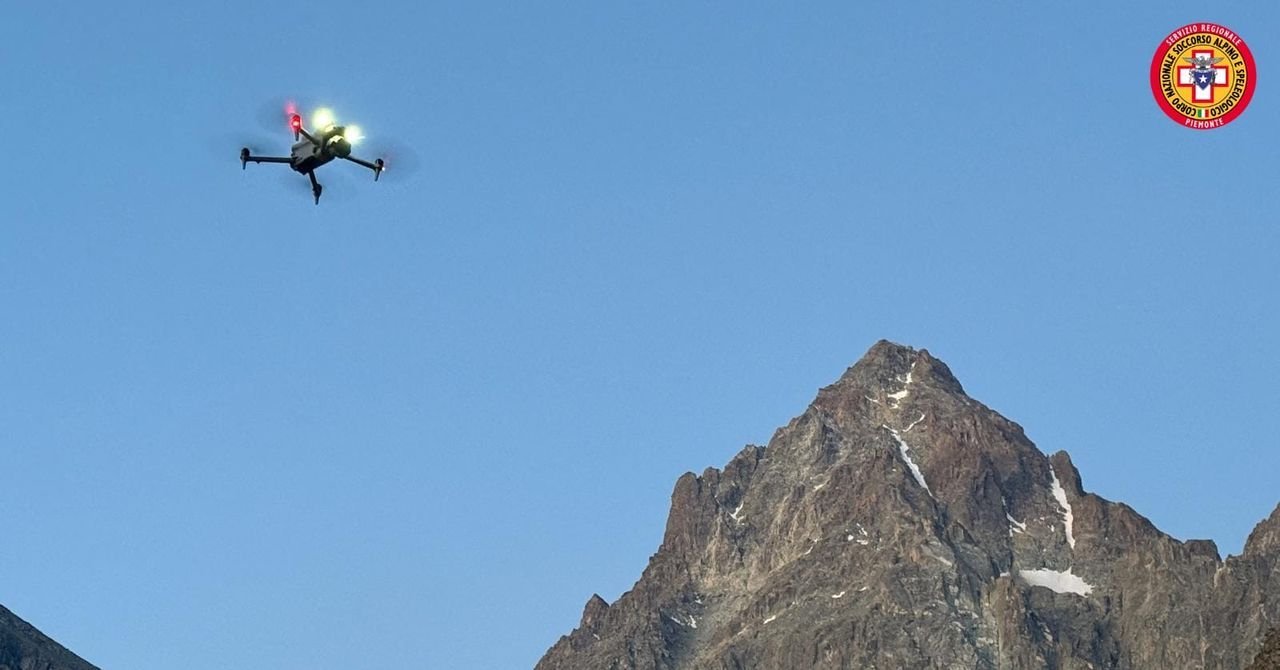
Using drones flying at 50 meters altitude, CNSAS pilots captured 2,600 high-resolution images of Monviso’s north face—a labyrinth of ravines and hanging glaciers. Traditional human analysis could have taken months. Instead, AI color-recognition software scanned the footage in one afternoon, flagging anomalous pixels matching the helmet’s hue. "By evening, we had coordinates for suspicious spots," said CNSAS drone pilot Saverio Isola. After weather delays, rescuers verified the AI’s findings at dawn, leading to the recovery of Ivaldo’s body at 3,150 meters.
Human-Machine Symbiosis
The operation epitomizes CNSAS’s evolving methodology: pairing drone technology with AI pattern recognition, developed rigorously over 18 months with Italy’s civil aviation authority. But Isola stresses that algorithms alone aren’t saviors. Technical teams cross-referenced drone data with the hiker’s cell phone records, while mountain specialists guided flight paths through hazardous terrain.
"It’s a human achievement, but without technology, it would’ve been an impossible mission. This is a team success," Isola emphasized, noting similar AI-drone integrations recovered victims of 2022’s Marmolada glacier collapse without risking rescuer lives.
Beyond Visual Spectrum
The implications extend beyond accelerated recoveries. CNSAS now deploys AI to interpret thermal imagery—detecting body heat signatures of living subjects—potentially turning future searches into rescue rather than recovery missions. In Sardinia, the system recently located stranded climbers by identifying trapped ropes, using repurposed military-grade technology. As Isola notes, the goal is reducing fatalities through speed: "Many [tools] are from wartime; we’ve recovered and converted them."
This fusion of computer vision, autonomous flight, and alpine expertise signals a paradigm shift. Where once rescuers faced weeks of perilous visual scanning, AI now compresses timelines to hours—proving that in the algorithm’s grasp, even a single pixel in a mountain’s embrace can become a beacon of hope.
Source: Adapted from WIRED Italy
Comments
Please log in or register to join the discussion