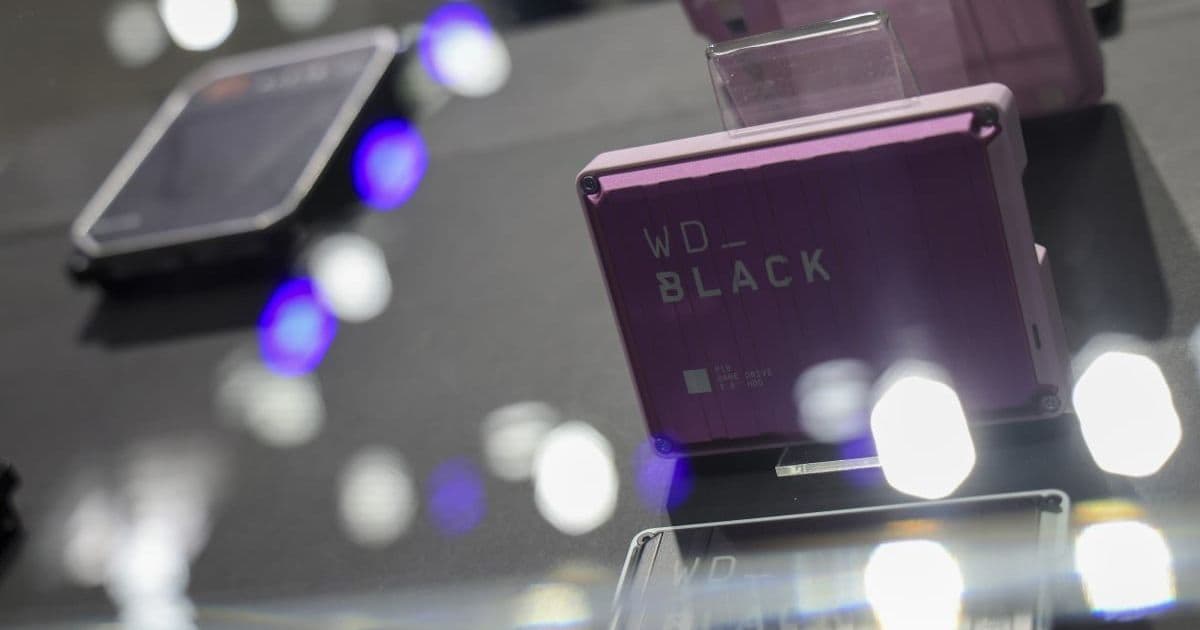
Western Digital has sold out of hard drives for 2026, with AI companies consuming most storage capacity and leaving consumers facing higher prices and limited availability.
The AI boom is creating unexpected ripple effects throughout the tech industry, and consumers are starting to feel the squeeze. Western Digital, one of the world's largest hard drive manufacturers, has announced that it has already sold out of its entire 2026 storage capacity—with more than 10 months still remaining in the year.
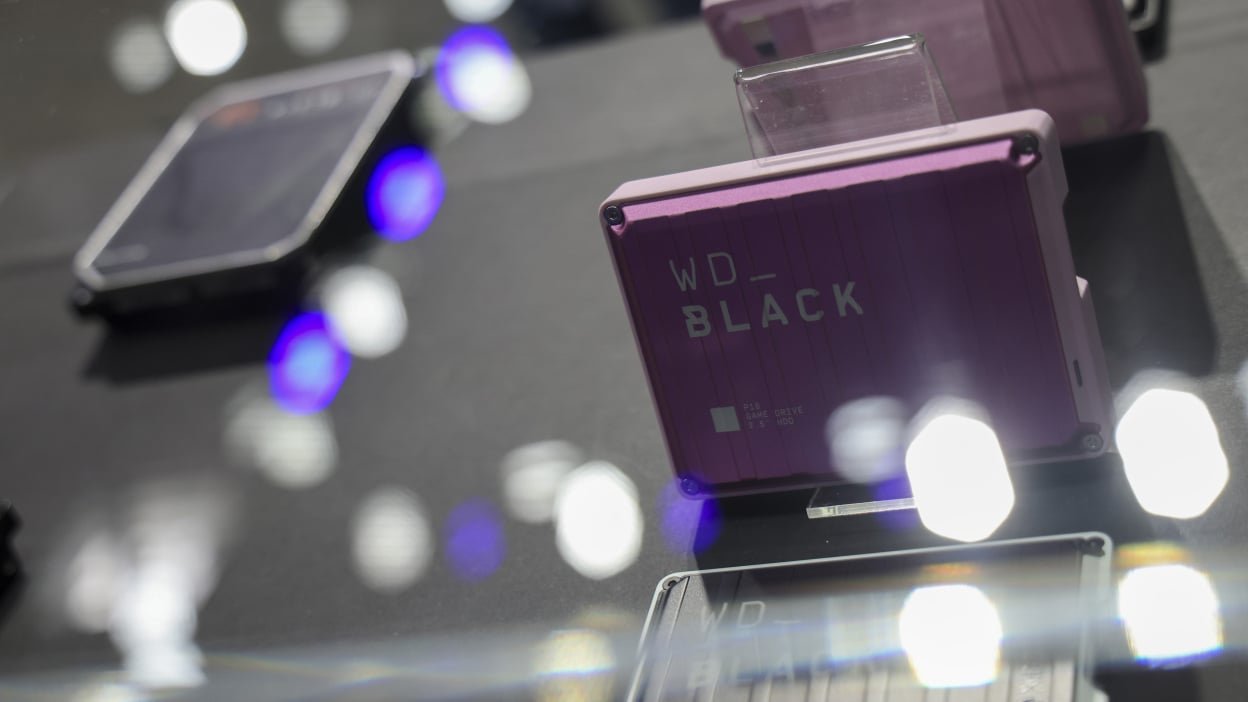
According to Western Digital CEO Irving Tan during the company's recent quarterly earnings call, "We're pretty much sold out for calendar 2026." This unprecedented situation means that anyone looking to purchase hard drives this year will face limited availability and potentially higher prices.
The allocation of storage capacity tells a revealing story about where the industry's priorities lie. Tan revealed that most of the company's storage space has been allocated to its "top seven customers," with three of these companies already securing agreements for 2027 and even 2028. These aren't typical consumers or small businesses—they're the tech giants and AI companies driving the current artificial intelligence revolution.
This shift in demand has dramatically altered Western Digital's business model. The consumer market, once the backbone of hard drive sales, now accounts for just 5 percent of the company's revenue. The remaining 95 percent comes from enterprise customers, with AI companies leading the charge in storage consumption.
The impact extends far beyond hard drives. The entire hardware ecosystem is feeling the pressure as AI companies compete for limited resources. Computer processors have seen price increases, and video game console manufacturers are struggling to secure components. Sony has reportedly considered delaying the next PlayStation launch beyond its planned 2027 release, hoping that AI-related hardware shortages would be resolved by then.
This isn't an isolated incident. The tech industry has been experiencing a broader memory shortage driven by AI demand. PC manufacturers have been forced to raise RAM prices on a near-regular basis as shortages persist. The pattern is clear: as AI companies scale their operations, they're consuming hardware resources at a rate that traditional supply chains weren't designed to handle.
The situation creates a challenging dynamic for consumers. While AI promises revolutionary advances in technology, the immediate cost is being borne by everyday users who find themselves competing with trillion-dollar tech companies for basic hardware components. The economics are straightforward—when demand from enterprise customers far exceeds consumer demand, manufacturers naturally prioritize the more profitable business relationships.
There is one potential relief valve: investor sentiment. If concerns grow about whether AI can deliver on its promised returns, funding could dry up, reducing demand for hardware. However, for now, the trend shows no signs of slowing. AI companies continue to expand their infrastructure, and hardware manufacturers like Western Digital are more than happy to sell out their entire annual capacity before the year even begins.
For consumers, this means planning ahead becomes essential. Whether you're building a gaming PC, upgrading a workstation, or simply need additional storage, waiting until the last minute could mean facing empty shelves or inflated prices. The AI revolution may be exciting, but its first major side effect for many people is a frustrating shortage of the very hardware that powers our digital lives.
Comments
Please log in or register to join the discussion