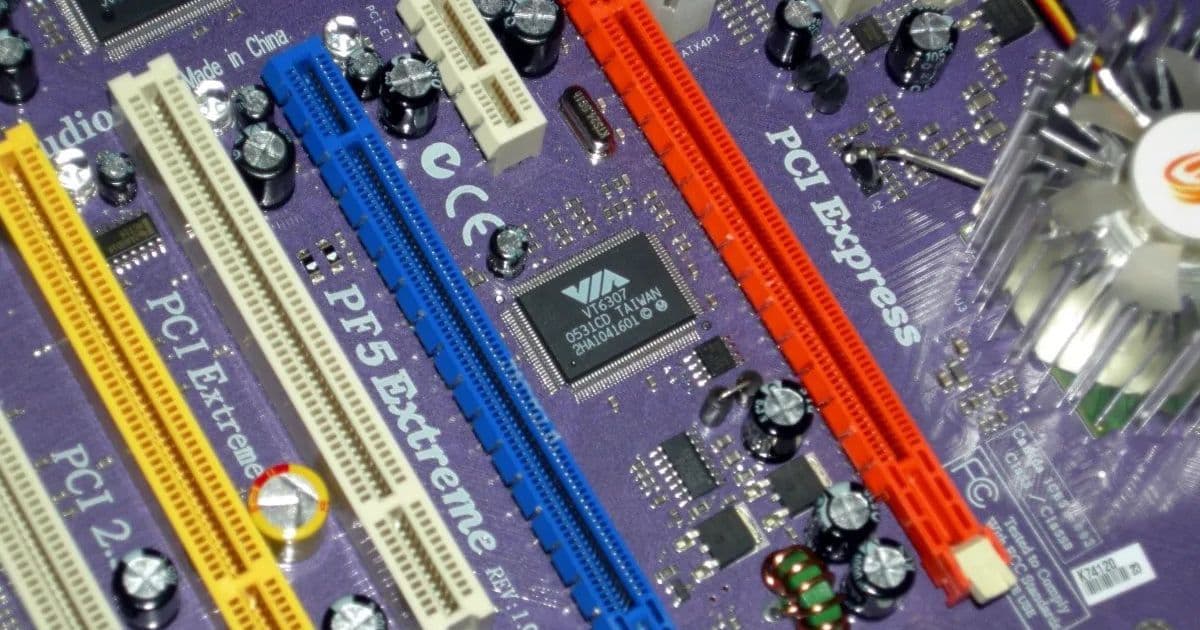
The Linux 7.0 kernel introduces significant PCI subsystem improvements, including better segregation of obsolete CardBus code and new PCIe M.2 power sequencing support.
The Linux 7.0 kernel brings substantial updates to its PCI subsystem, with developers focusing on both cleaning up legacy code and adding support for modern hardware features. Among the most notable changes is the improved handling of CardBus support, which has been largely obsolete for years.
CardBus Code Gets Better Segregated
Linux kernel developers have taken steps to better compartmentalize the CardBus setup code in Linux 7.0. The CardBus-specific code has been moved to its own file (setup-cardbus.c) and will only be built when the CONFIG_CARDBUS option is explicitly enabled.
"PCI bridge window setup code includes special code to handle CardBus bridges. CardBus has long since fallen out of favor and modern systems have no use for it. Move CardBus setup code to its own file and use existing CONFIG_CARDBUS to decide whether it should be built or not."
This change reflects the reality that CardBus technology, which was popular in laptops during the late 1990s and early 2000s, has been largely replaced by ExpressCard and other modern interfaces. By segregating this code, the kernel reduces the footprint for modern systems while still maintaining support for legacy hardware that might still be in use.
Power Management Improvements
The PCI updates in Linux 7.0 also address several power management issues. One significant fix prevents runtime suspend operations until devices are fully initialized, avoiding the problem of saving incompletely configured device state.
Additionally, the kernel now avoids a redundant delay during transitions from D3hot to D3cold power states when the device is already in the D3hot state. These optimizations contribute to more efficient power management and potentially faster system resume times.
PCIe M.2 Power Sequencing Support
A notable addition to the Linux 7.0 PCI subsystem is support for power sequencing connectors on PCIe M.2 connectors. This feature introduces a power sequencing connector specifically designed for M.2 devices, with the slow pwrctrl driver being updated to support this new functionality.
This enhancement is particularly relevant for modern laptops and compact systems that rely heavily on M.2 storage and expansion cards, ensuring proper power sequencing for these increasingly common components.
Peer-to-Peer DMA Fixes
The peer-to-peer DMA (P2PDMA) functionality, which allows direct memory access between devices without involving system memory, receives an important fix in Linux 7.0. The update addresses a potential hang condition that could occur when removing a PCI device that uses P2PDMA functionality.
This fix improves system stability when hot-plugging or removing devices that support direct peer-to-peer communication, which is particularly important for high-performance computing and specialized hardware configurations.
New ASpeed Root Complex Driver
Linux 7.0 introduces a new Device Tree driver and bindings for ASpeed root complexes. ASpeed is known for their BMC (Baseboard Management Controller) chips used in server motherboards, so this addition likely improves support for server hardware management features.
Looking Forward
The PCI subsystem changes in Linux 7.0 demonstrate the kernel's ongoing evolution - removing or segregating legacy code while adding support for modern hardware features. This balance ensures that Linux remains both backward compatible and forward-looking, supporting everything from decades-old CardBus devices to the latest M.2 storage solutions.
For system administrators and developers, these changes mean slightly smaller kernel builds for modern systems (due to the segregated CardBus code) and improved reliability for power management and device hot-plugging scenarios. The addition of M.2 power sequencing support also paves the way for better integration with next-generation storage and expansion technologies.
Comments
Please log in or register to join the discussion