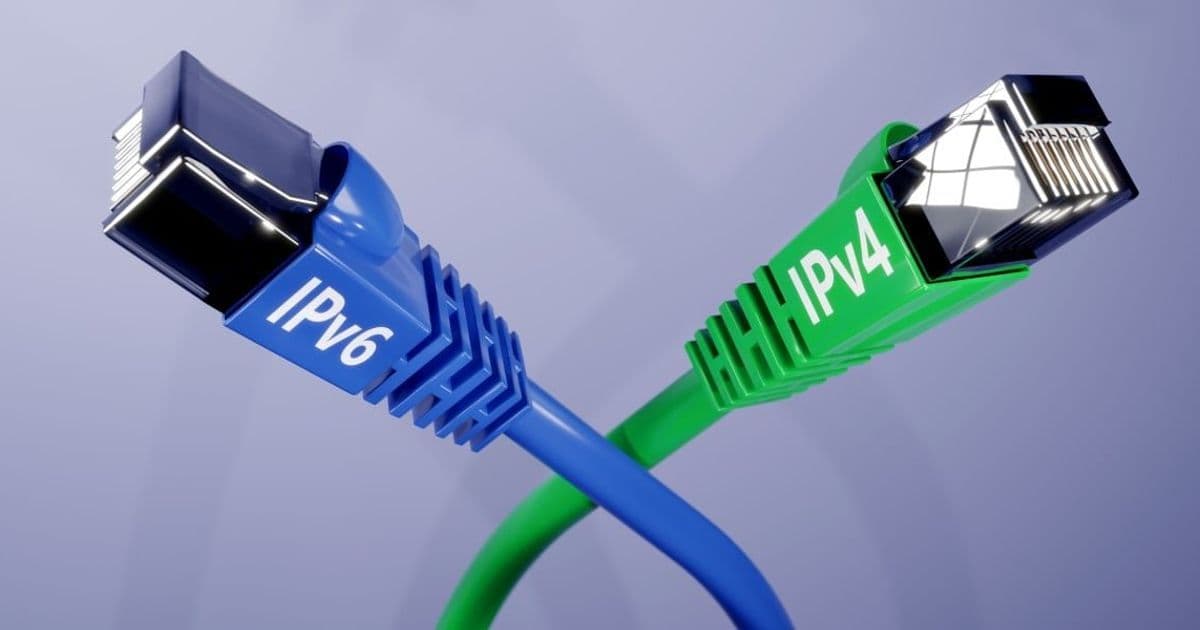
Indonesian university tests AI tool that dramatically reduces cognitive load during IPv4 to IPv6 migrations, but organizational readiness remains a barrier to adoption.
Indonesian university tests AI tool that dramatically reduces cognitive load during IPv4 to IPv6 migrations, but organizational readiness remains a barrier to adoption.
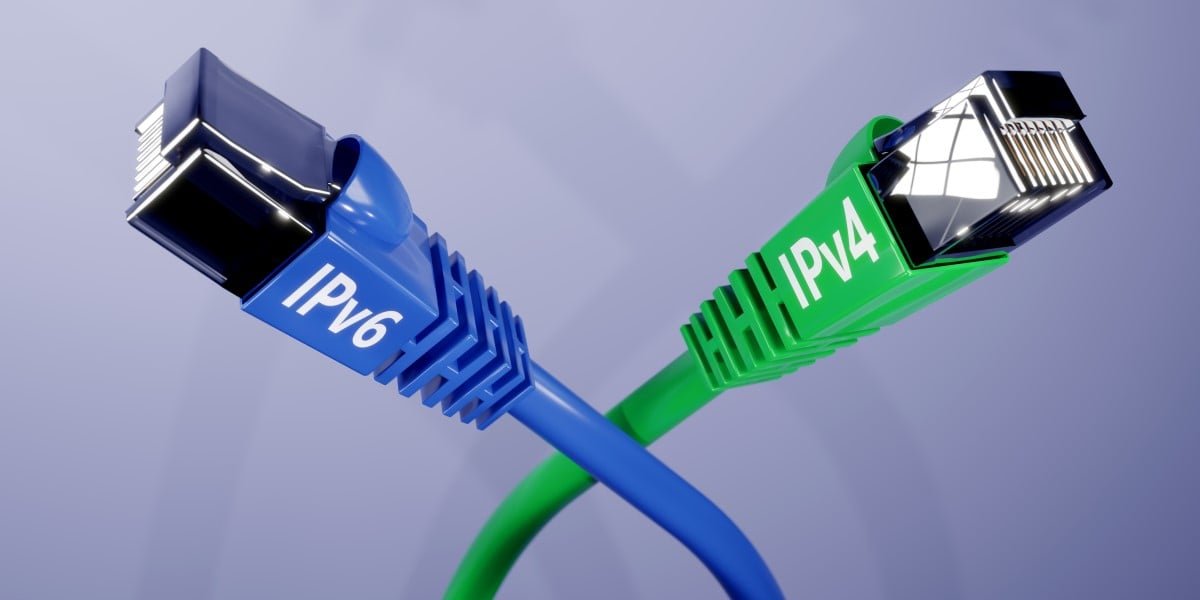
AI-powered network tools can reduce the cognitive burden of IPv6 migrations by up to 72 percent, according to experiments conducted by Indonesia's Universitas Islam, though organizational readiness remains a significant barrier to adoption.
The university's CIO Mukhammad Andri Setiawan presented findings from experiments with "Net AI Copilot" at the Asia Pacific Regional Internet Conference on Operational Technologies (APRICOT) in Jakarta, revealing that generative AI can transform one of networking's most challenging tasks into a manageable process.
The cognitive load challenge
Network engineers have long struggled with IPv6 migrations, with some finding 128-bit addresses more difficult to work with than traditional IPv4 dotted quads. This cognitive burden has contributed to the slow pace of IPv6 adoption worldwide, even 30 years after the protocol's introduction.
Setiawan's team created Net AI Copilot to address this challenge by converting existing IPv4 implementations to dual-stack configurations and generating ready-to-run Ansible playbooks. The tool includes configuration validation checks and automatic rollback triggers to prevent errors during the migration process.
Experimental results show dramatic improvements
The university conducted two key experiments with seven experienced network engineers:
First test: Manual configuration versus AI-assisted configuration
- Cognitive load reduction: 65 percent
- Time to complete task: 170 seconds → 5 seconds
- Task completion rate: 71 percent → 100 percent
- Accuracy: 65 percent → 100 percent
Second test: Interactive migration simulation
- Cognitive load reduction: 72 percent
- Time required: 9.4 hours → 96 seconds
- Firewall configuration errors: Eliminated entirely
These results suggest that AI assistance doesn't just make migrations faster—it fundamentally changes how engineers experience the process, reducing frustration, effort levels, and mental and physical exertion.
The organizational readiness paradox
Despite these impressive technical improvements, Setiawan identified a critical barrier: organizations aren't ready to use AI effectively. The same fears that prevent IPv6 adoption—concerns about capability and safety—also inhibit AI adoption.
"Developing operational readiness is the key to success with adopting both AI and IPv6," Setiawan concluded, suggesting that the challenges are interconnected rather than separate issues.
Beyond simple automation
The CIO envisions a future where network administrators evolve beyond basic configuration tasks. Rather than simply using AI as an automated alert system, he wants engineers to understand business processes and use AI to guide strategic decisions.
"We need to have people that can understand a business process, not just do simple configurations," Setiawan explained. To develop this capability, he recommends that technology workers read more novels to better understand storytelling and idea generation—skills that help them become better collaborators with AI systems.
Economic considerations and vendor lock-in
Setiawan's experiments also revealed economic challenges. While the university currently uses simple AI subscriptions as the cheapest consumption method, he worries about future pricing models that may reduce the number of tokens processed for a set fee.
The risk is that teams will build automations and integrations that become essential, creating vendor lock-in and forcing organizations to pay whatever prices emerge. On-premises AI infrastructure presents another challenge, with quotes for competitive setups exceeding $1 million.
As a potential solution, Setiawan jokingly suggested buying AI infrastructure and reselling the memory and solid-state disks it contains, noting that "SSD is the new gold" with prices nearly doubling since November and December.
Implications for network professionals
The experiments suggest that AI tools like Net AI Copilot could finally accelerate IPv6 adoption by removing the primary human barrier—the cognitive difficulty of the migration process. However, success requires more than just technical solutions.
Network professionals must develop new skills that combine technical expertise with business understanding and AI literacy. Organizations must address their readiness gaps, not just their technical capabilities.
The findings also highlight the interconnected nature of technology adoption challenges. Just as IPv6 adoption has been slowed by organizational factors beyond pure technical merit, AI adoption faces similar hurdles. The solution to both may lie in developing comprehensive operational readiness rather than focusing solely on technical implementation.
For network engineers, the message is clear: the future belongs to those who can leverage AI not just for automation, but as a strategic tool that aligns technical work with organizational goals. Those who master this integration may find themselves more valuable than ever, while those who remain focused solely on manual configuration may face an uncertain future.
As IPv6 approaches its 30th anniversary without achieving universal adoption, AI may finally provide the catalyst needed for widespread migration—but only if organizations can overcome their readiness challenges and network professionals can evolve their skill sets accordingly.
Comments
Please log in or register to join the discussion