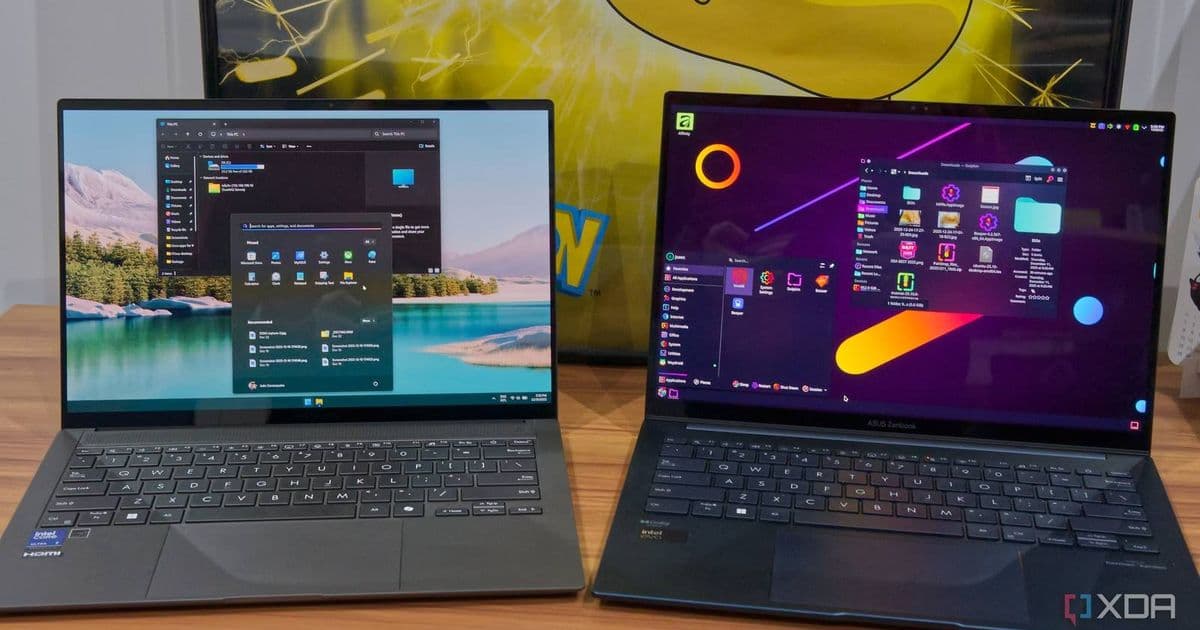
The Linux 6.19 kernel brings significant performance improvements for older AMD Radeon GPUs, adds native support for Asus ROG Ally controls, enhances Steam Deck compatibility, and introduces a new color management API.
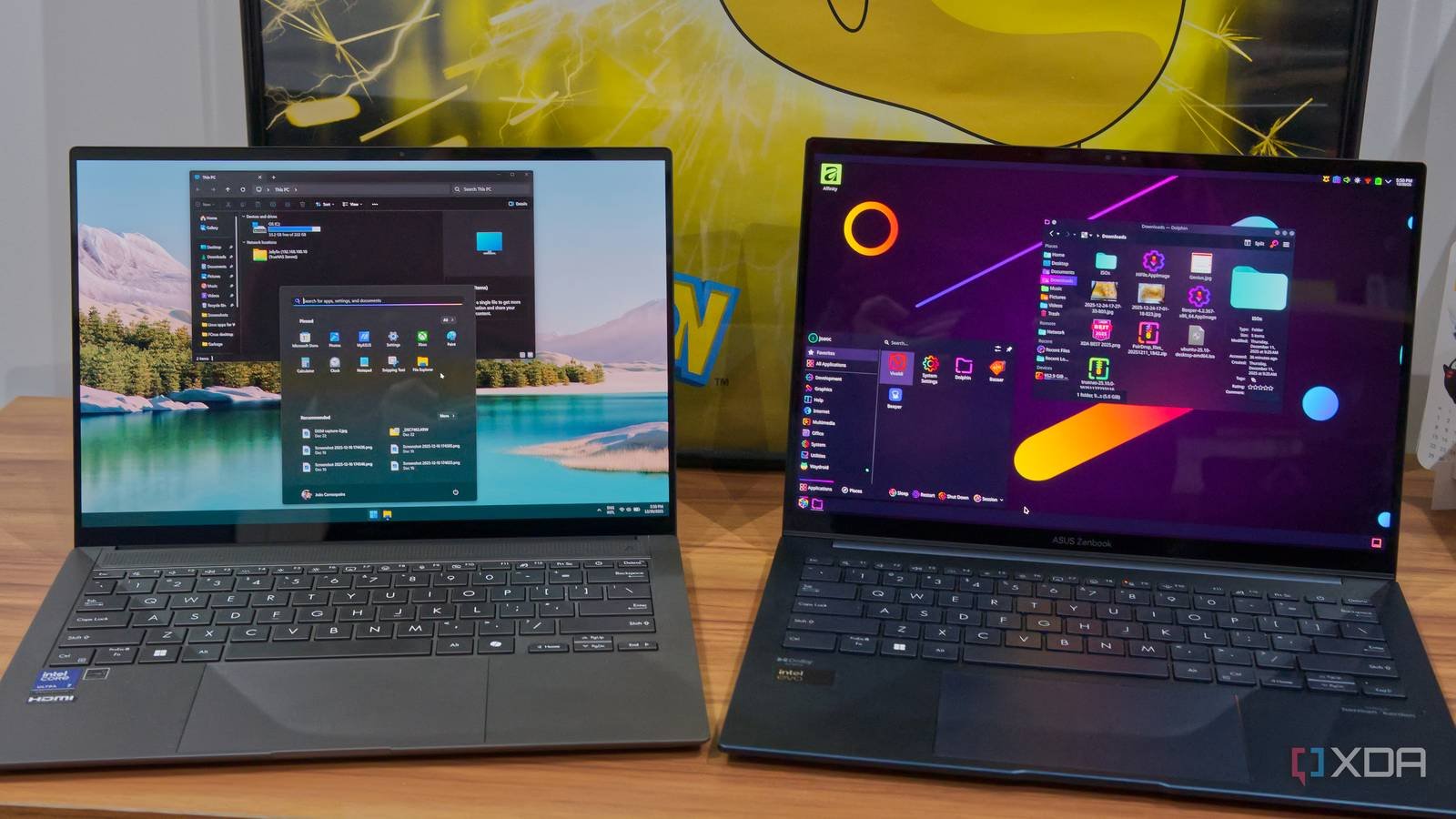
The Linux kernel 6.19 release arrived quietly on February 8th without major ceremony, yet backs substantial improvements for AMD GPU users and handheld gaming devices. Announced by Linus Torvalds on the Linux Kernel Mailing List, this update transitions select legacy Radeon graphics cards to the modern AMDGPU driver stack – yielding measurable performance uplifts for hardware released over a decade ago.
AMDGPU Driver Transition: Breathing New Life into Old Hardware
The standout change moves AMD's Radeon HD 7000 series GPUs (Southern Islands architecture) from the legacy radeon driver to the contemporary amdgpu driver by default. As documented by Phoronix benchmarks, this driver shift delivers tangible gains, particularly for the Radeon HD 7950. Testing showed approximately 30% higher performance in graphics-intensive workloads compared to the previous driver stack. For context:
- Why it matters: Older GPUs defaulted to the
radeondriver due to initial AMDGPU compatibility limitations. The migration leverages AMD's modern display and power management code, unlocking unused potential in aging hardware. - Affected cards: Includes HD 7950, HD 7970, and other Southern Islands GPUs (codenames like "Tahiti," "Pitcairn").
- Technical impact: Better Vulkan/OpenGL support, improved power efficiency, and access to newer Mesa driver features.
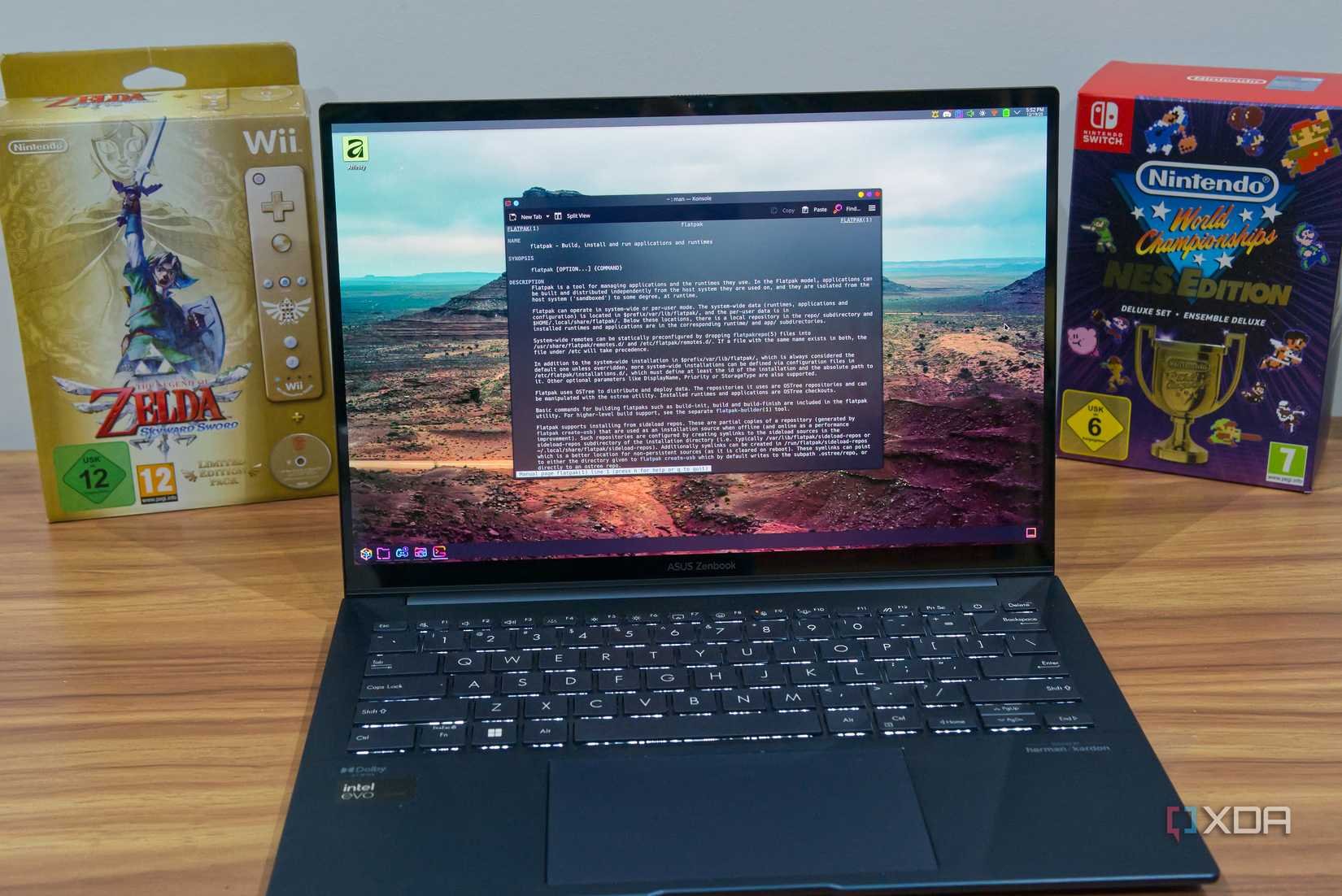
Enhanced Handheld Gaming Support
Linux 6.19 extends robust support for popular handheld gaming PCs:
- Asus ROG Ally: Mainline kernel support arrives, enabling native control of hardware features (TDP adjustments, fan curves) without out-of-tree drivers. This simplifies Linux installations on the device.
- Steam Deck: Temperature sensor readings now function correctly under generic Linux distributions. Previously, SteamOS provided proprietary interfaces for sensor data; this update standardizes access, aiding users who install alternative distros.

DRM Color Pipeline API
A foundational addition is the new DRM Color Management API. This standardized interface allows userspace applications (like Wayland compositors or display servers) to manage color calibration, HDR metadata, and gamma correction uniformly across different GPU vendors. Developers gain consistent hooks for advanced color processing, reducing vendor-specific code fragmentation.
Practical Implications and Upgrade Path
While enthusiasts can fetch the source directly from The Linux Kernel Archives, most users should await distribution-managed packages. Key considerations:
- Stability: AMDGPU driver stability for older cards is now validated, but monitor for regressions.
- Handheld benefits: ROG Ally users gain plug-and-play hardware control; Steam Deck users avoid custom kernel patches for sensors.
- Developer workflow: The DRM Color API simplifies color pipeline development for Wayland/Weston.
This release exemplifies Linux's commitment to extending hardware longevity while embracing modern peripherals – proving that even 14-year-old GPUs still have untapped potential in the open-source ecosystem.
Comments
Please log in or register to join the discussion