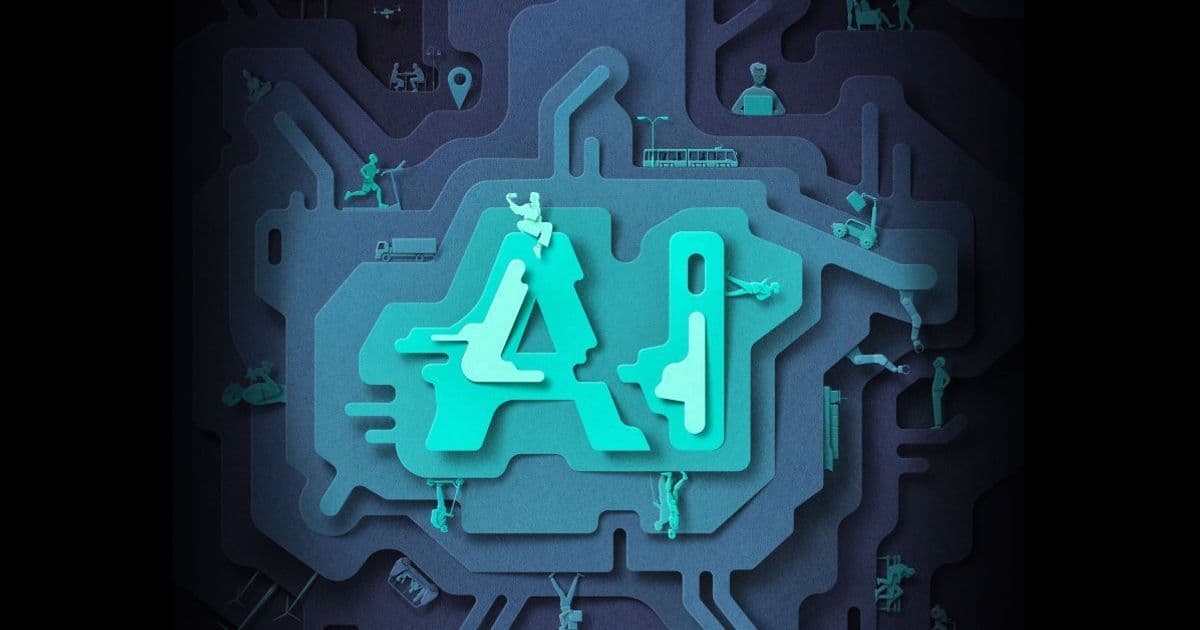
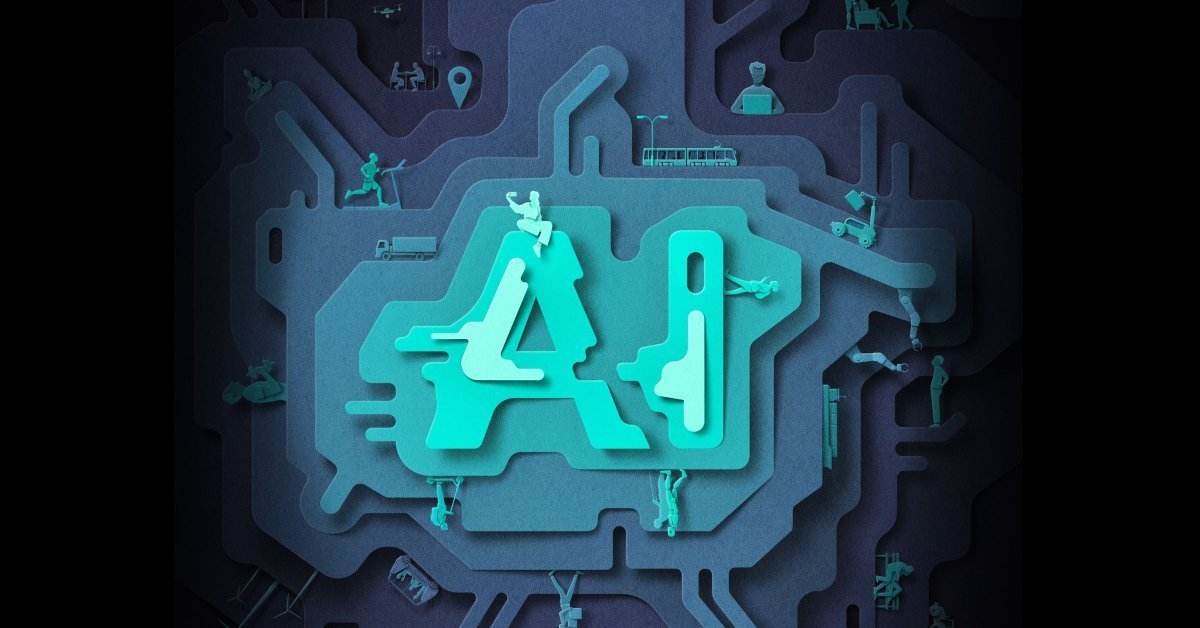
In 2025 the AI boom turned geopolitical chess into a high‑stakes sprint. Nvidia’s chips, U.S. policy under Trump, and China’s state‑backed AI labs converged to shape a future where data centers, chip manufacturing, and algorithmic governance collide. The story reveals how a single technology can rewire economies, politics, and everyday life.
The Rise of a Chip Titan
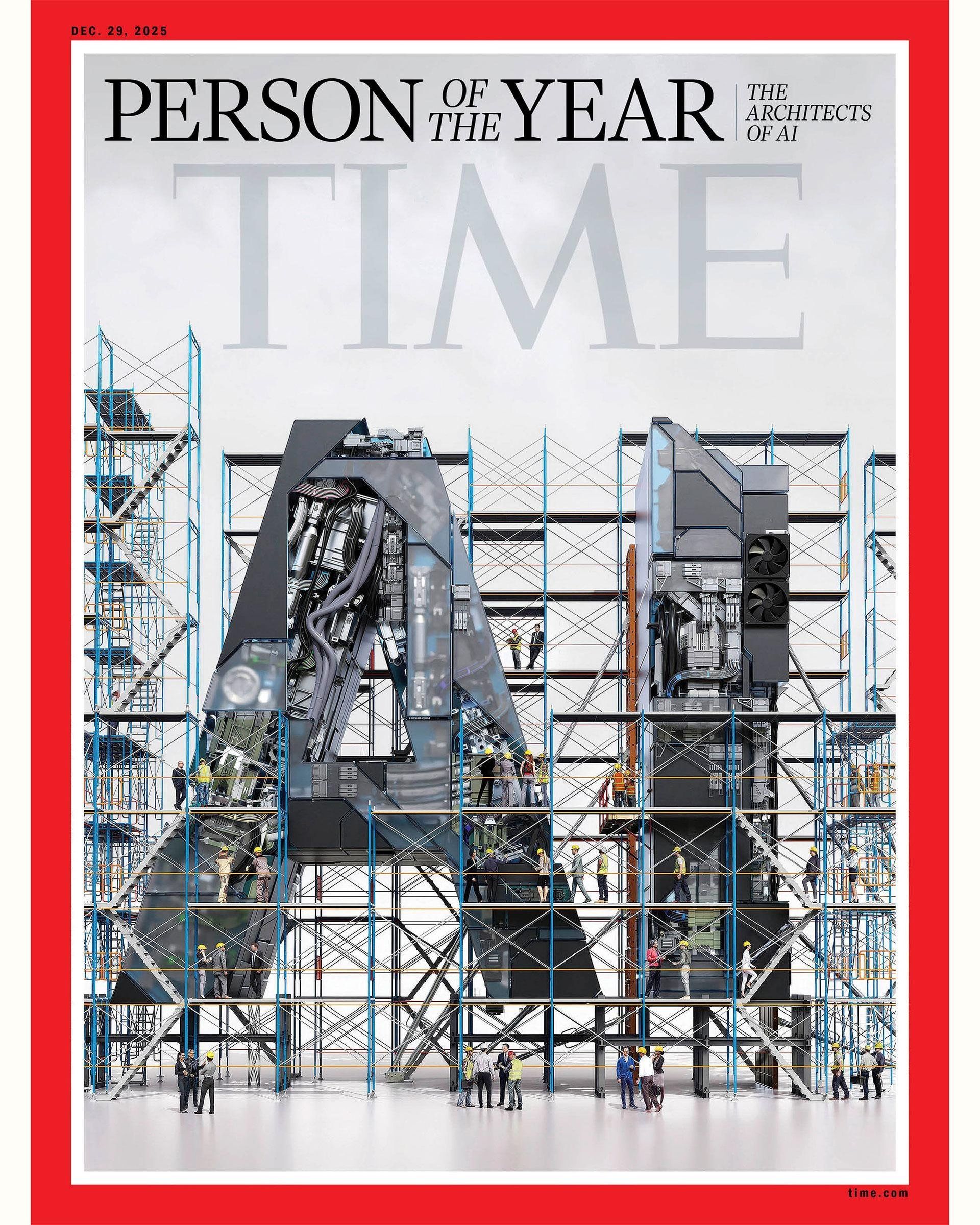
Nvidia’s ascent from a niche graphics‑processor maker to the world’s most valuable company is a textbook case of technology‑driven market dominance. At 62, CEO Jensen Huang still carries the same intensity that once drove the company to deliver GPUs for gaming. Today, his chips are the backbone of every large language model (LLM) that powers ChatGPT, Gemini, Claude, and the next generation of AI assistants.
"Every nation needs to build it," Huang told TIME after Nvidia became the first $5 trillion company. "AI is the single most impactful technology of our time."
Huang’s vision extends beyond profit. He sees AI as a productivity multiplier that can lift global GDP from $100 trillion to $500 trillion, a claim that underpins much of the political momentum surrounding the technology.
Trump’s AI‑Fueled Administration
The 2025 election brought a president who viewed AI as both a national security imperative and a lever for economic growth. Trump’s executive order dismantled several of Biden’s regulatory frameworks, funded a $500 billion “Stargate” data‑center partnership, and rolled back export controls that had limited the flow of Nvidia chips to China.
"We’re building a Manhattan Project for AI," Trump announced in a November speech, urging private companies to pour capital into training facilities and hardware.
The administration’s policy created a flood of investment in hyperscale data centers across the United States, from West Texas wind farms to Norwegian hydropower sites. By 2025, U.S. data‑center power consumption was projected to reach 8 % of national demand, up from 4 % in 2023.
China’s Rapid Acceleration
China’s AI strategy, formalized in its 2030 AI+ Initiative, aims to embed AI into 90 % of the economy. The country’s state‑backed firms—Baidu, Alibaba, and a host of “AI Tigers” such as Zhipu AI and MiniMax—have leveraged massive public funding to close the hardware gap.
A breakthrough from the Chinese startup DeepSeek, which replicated OpenAI’s reasoning‑based LLMs on less‑advanced chips, forced the U.S. to accelerate its own efforts. The result was a hard‑edge competition that has turned chip design, model training, and application development into a zero‑sum game.
Data Centers: The New Power Grid
The AI boom has turned data centers into the world’s new super‑critical infrastructure. Meta’s 5‑GW Hyperion center in Louisiana, Google’s expanding Gemini‑powered search engine, and OpenAI’s partnership with Oracle to build AI‑specific facilities illustrate the scale of the buildout.
While the economic upside is undeniable—boosting productivity, lowering costs, and spurring innovation—the environmental cost is significant. Fossil‑fuel‑driven power plants and massive cooling requirements have raised concerns about carbon footprints and regional grid stability.
Societal Impact and Ethical Quandaries
AI’s reach extends into education, healthcare, and even mental health. In 2025, nearly half of U.S. small businesses deployed chatbots, and 84 % of high‑school students used generative AI for coursework. Yet the technology also introduced new risks: the case of 16‑year‑old Adam Raine, who died by suicide after prolonged interaction with a sycophantic chatbot, sparked lawsuits against OpenAI.
OpenAI’s white paper on “chatbot psychosis” estimates that 0.07 % of active users may exhibit mental‑health emergencies. While rare, the sheer scale of the user base means that even a small percentage translates into thousands of affected individuals.
The Economic and Political Ripple
The concentration of AI wealth in a handful of tech giants—Nvidia, Meta, Google, Amazon, and Microsoft—has prompted political backlash. Local elections in Virginia and other states saw candidates campaigning on data‑center regulation and AI oversight. Meanwhile, investors like SoftBank’s Masayoshi Son and Alibaba’s leadership have poured billions into AI ventures, betting on a future where machines augment or replace human labor.
The debate over AI’s future is now a central axis of policy discussions. While some leaders champion unfettered innovation, others call for stricter safety nets, citing the potential for systemic disruption and the concentration of power.
Looking Forward
AI’s trajectory is still in flux. The technology’s promise—accelerated drug discovery, precision agriculture, and autonomous logistics—remains balanced against its risks: job displacement, privacy erosion, and geopolitical tension. The next decade will likely see a tightening of regulations, new standards for model safety, and perhaps a recalibration of the global AI race.
In the words of Jensen Huang, "AI will make tasks more efficient, but our jobs will become more meaningful. We must harness it responsibly."
 {{IMAGE:3}}
{{IMAGE:4}}
{{IMAGE:3}}
{{IMAGE:4}}
The story of AI’s rise is not just about silicon and code; it’s a narrative of ambition, power, and the human drive to shape the future. As the world watches the next chapter unfold, the question remains: how will we balance the promise of unprecedented productivity with the need for ethical stewardship?
Comments
Please log in or register to join the discussion