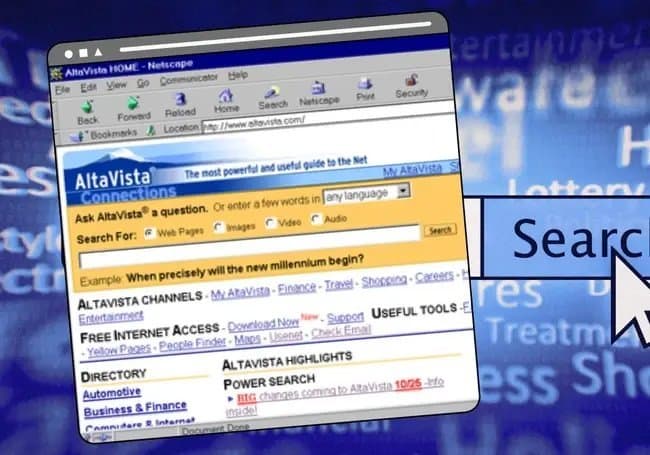
AltaVista revolutionized web search in 1995 with unprecedented speed and indexing capabilities, becoming the internet's first major search engine. But strategic blunders, including a disastrous pivot to a portal model, allowed Google to eclipse it, leading to its quiet demise. This is a cautionary tale of innovation overshadowed by corporate missteps.
In the mid-1990s, as the World Wide Web exploded into public consciousness, finding anything online felt like searching for a needle in a digital haystack. Enter AltaVista. Launched in December 1995 by Digital Equipment Corporation (DEC), it wasn't just another search tool—it was a quantum leap. Powered by DEC's cutting-edge 64-bit Alpha processors, AltaVista indexed the web at an unprecedented scale, handling 130 GB of RAM and 500 GB of storage across 20 multi-processor machines. For the first time, users could perform full-text searches across millions of pages with blistering speed, processing 13 million daily queries at its peak. 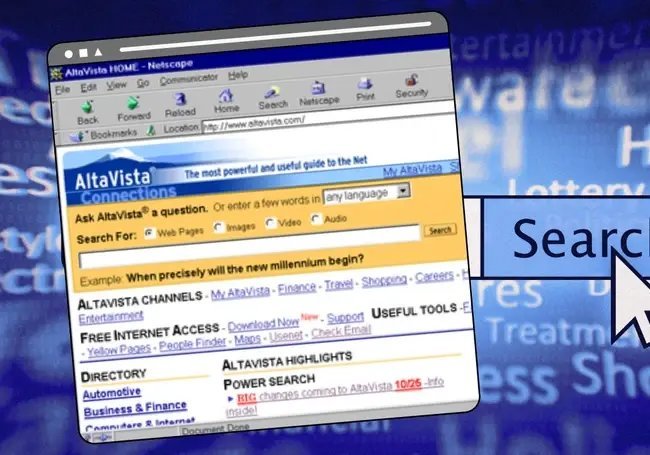
The Engine That Rewrote the Rules
AltaVista emerged from a DEC research project led by Paul Flaherty, designed to showcase the Alpha processor's power. Its name, meaning "high view" in Spanish, reflected its ambition. Unlike rudimentary predecessors, AltaVista offered:
- Full-text indexing: Searching within page content, not just titles.
- Boolean operators: Advanced queries using "AND," "OR," and "NOT."
- Minimalist interface: A clean design focused solely on search, years before Google popularized the concept.
As Louis Monier, a key developer, later noted, "We turned the internet from a curiosity into a usable tool." By 1998, a study crowned it the preferred search engine for 45% of professional researchers, dwarfing rivals like HotBot.  shows its iconic 1999 portal look, still recognizable today.
The Ascent and the Achilles' Heel
AltaVista's technical prowess fueled meteoric growth—from 300,000 hits on day one to over 80 million daily queries by 1997. But its downfall began with corporate turbulence. When Compaq acquired DEC in 1998, it pushed AltaVista to become a Yahoo-style portal under CEO Rod Schrock. The once-sleek interface bloated with shopping, email, and news feeds, diverting resources from core search innovation.
"This pivot was catastrophic," observes a web historian. "AltaVista abandoned its superpower: making search fast and accurate. While it cluttered its homepage, Google doubled down on algorithmic excellence."
By 1999, Compaq sold 83% of AltaVista to CMGI, but the dot-com crash and failed IPO sealed its fate. Google's PageRank algorithm, meanwhile, delivered superior relevance. AltaVista became a cautionary symbol of how technical brilliance isn't enough—execution and focus matter.
The Fade to Obscurity
Acquired by Overture Services in 2003 (later absorbed by Yahoo), AltaVista became a backend tool for its former rival. On July 8, 2013, Yahoo shut it down, redirecting users to its own search. The domain now only exists in archives. 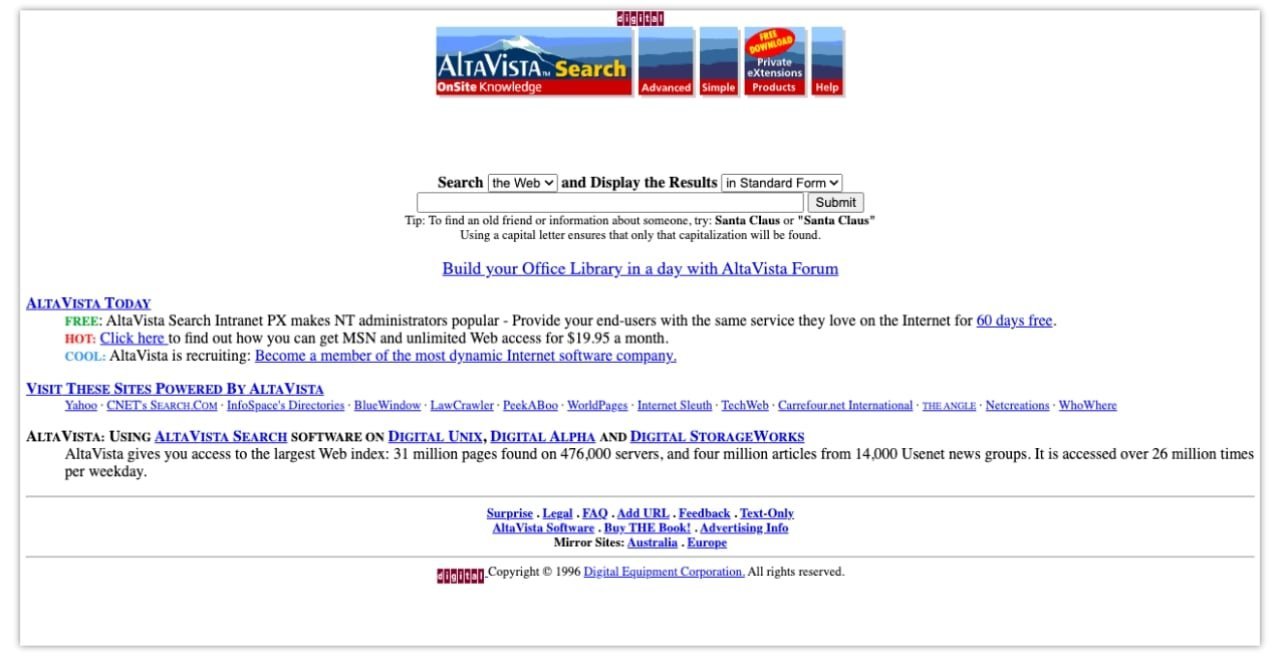 captures its hauntingly simple 1996 interface—a ghost of internet history.
AltaVista's legacy is profound: it proved search could scale, inspired Google's founders, and highlighted the perils of losing technical focus. In today's AI-driven search wars, its story echoes as a reminder: innovation without strategic clarity is ephemeral. The web’s first giant didn’t fail technology; it failed to let technology lead.
Source: Adapted from What Happened to AltaVista? by Ellis Stewart, EM360Tech.
Comments
Please log in or register to join the discussion