AMD's open-source graphics team has merged a unified video decode implementation for RadeonSI and RADV drivers in Mesa 26.1, reducing code complexity while extending Vulkan Video support to older Hawaii GPUs.
AMD has taken a significant step toward streamlining its open-source graphics driver stack with the unification of video decode functionality between the RadeonSI Gallium3D and RADV Vulkan drivers. The change, merged into Mesa 26.1-devel on February 12, 2026, represents years of work to consolidate what were previously separate video acceleration implementations.
The Problem: Fragmented Video Acceleration
Historically, AMD's open-source driver stack has suffered from a fragmented approach to video acceleration. RadeonSI, the Gallium3D driver for modern AMD GPUs, handled video decoding through the VA state tracker for VA-API support. Meanwhile, RADV, the Vulkan driver, implemented its own video decode path using the emerging Vulkan Video API. This duplication meant maintaining two separate codebases for essentially the same hardware capabilities, with different feature sets and varying levels of support across GPU generations.
The Solution: Shared Video Decode Implementation
The unification effort, led by David Rosca of AMD, introduces a common video decode interface that both drivers now leverage. This shared implementation covers all of AMD's video decode hardware engines:
- Video Core Next (VCN): The modern video decode engine found in GCN and RDNA architectures
- VCN JPEG: Hardware-accelerated JPEG decoding capabilities
- Unified Video Decode (UVD): The legacy decode engine used in older AMD GPUs
Technical Impact and Code Consolidation
The unification effort involved significant code reorganization. According to the merge details, more than six thousand lines of code were shifted and restructured, ultimately resulting in a net reduction of approximately 1,400 lines. This reduction in code complexity translates to several practical benefits:
- Reduced maintenance burden: A single implementation means bug fixes and improvements only need to be made once
- Consistent feature parity: Both drivers now support the same video decode capabilities
- Easier testing and validation: QA efforts can focus on a unified codebase
- Better resource utilization: Developer time can be redirected to new features rather than maintaining duplicate implementations
Immediate Benefits: Hawaii GPU Support
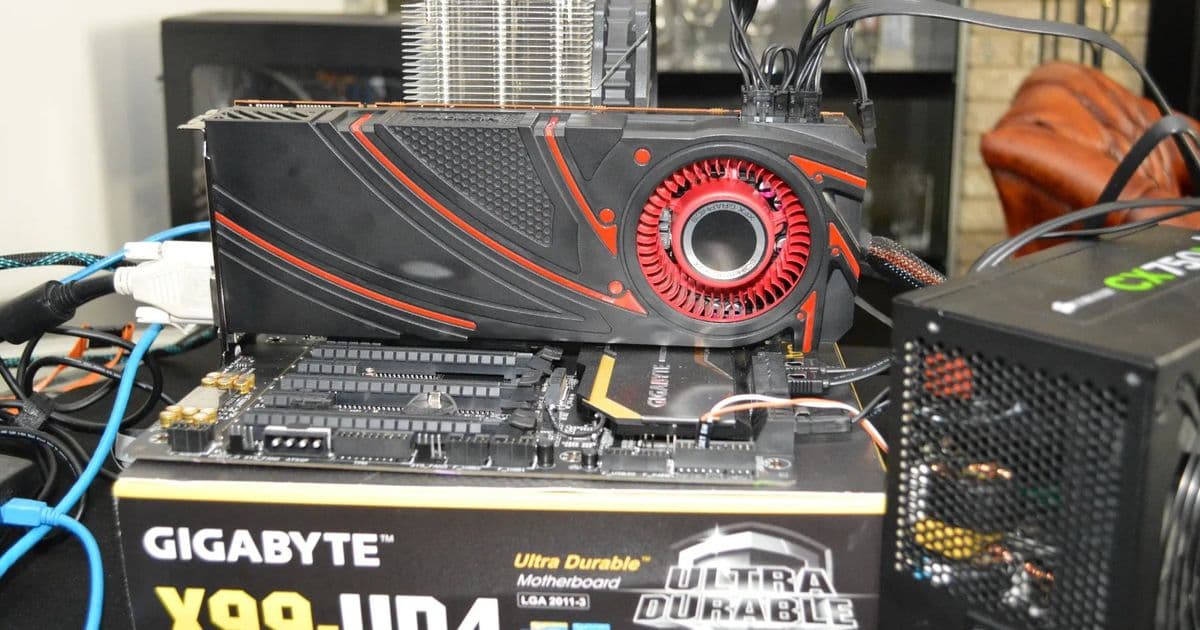
Perhaps the most immediate and tangible benefit of this unification is the extension of RADV Vulkan Video support to older Hawaii GPUs and earlier architectures. Previously, RADV's Vulkan Video implementation was limited to more recent GPU generations, leaving users with Hawaii cards (like the Radeon R9 290X) without hardware-accelerated video decode in Vulkan applications.
This change means that applications using Vulkan Video can now leverage hardware acceleration on GPUs dating back to 2013, significantly expanding the user base that can benefit from modern video APIs. For users still running Hawaii-based systems, this represents a meaningful performance improvement for video playback and encoding tasks.
The Broader Context: Vulkan Video Maturation
The unification effort comes at a time when Vulkan Video is gaining traction across the industry. As a cross-platform video encode/decode API, Vulkan Video offers several advantages over traditional approaches:
- Hardware abstraction: Applications can target a single API that works across different GPU vendors
- Modern API design: Leverages Vulkan's memory management and synchronization primitives
- Future-proof: Designed to accommodate evolving video codec standards
- Performance: Direct hardware access without the overhead of translation layers
With more applications beginning to adopt Vulkan Video and Vulkan drivers maturing their implementations, AMD's unified approach positions them well for the future of video acceleration on Linux.
Timeline and Availability
The unified video decode implementation is part of Mesa 26.1, which is scheduled for its stable debut in Q2 of 2026. This means users can expect to see the changes in distributions' package updates over the coming months, depending on how quickly they adopt the new Mesa version.
Looking Forward
This unification represents more than just code consolidation—it's a strategic move that simplifies AMD's driver development while improving the user experience. By reducing fragmentation and extending modern video acceleration capabilities to older hardware, AMD demonstrates its commitment to both the open-source community and long-term hardware support.
As Vulkan Video continues to mature and gain adoption, having a unified, well-maintained video decode implementation will become increasingly important. AMD's approach provides a solid foundation for future video acceleration features and ensures that both their Gallium3D and Vulkan driver stacks remain competitive in the evolving landscape of GPU computing.
For Linux users, particularly those with AMD GPUs, this change promises better performance, more consistent behavior across applications, and the ability to leverage modern video APIs even on older hardware. It's a win for both the open-source graphics community and end users who rely on AMD's open-source drivers for their daily computing needs.
Comments
Please log in or register to join the discussion