Apple's macOS 26 Tahoe update brings a suite of enhancements like the 'Liquid Glass' UI and supercharged Spotlight, but it also signals the definitive sunset for Intel-based Macs. This article reveals the compatible models, explains the implications for developers and enterprises, and details the transition timeline.
At its WWDC keynote last month, Apple unveiled macOS 26 'Tahoe'—a feature-rich update promising a refined 'Liquid Glass' design language, app innovations, and smarter Spotlight capabilities. Yet, beneath the glossy announcements lay a pivotal shift: Tahoe is the final macOS version supporting Intel processors, cementing Apple's full transition to its custom silicon. This move, while anticipated, leaves countless users facing an imminent end-of-support cliff.
The Compatibility Divide: Who Makes the Cut?
Tahoe’s system requirements draw a stark line between Apple Silicon and older Intel hardware. Based on Apple's disclosures, only the following models will support macOS 26:
- MacBook Air: M1 or later
- MacBook Pro: M1 or later, 16-inch (Intel, 2019), or 13-inch (Intel, 2020 with four Thunderbolt 3 ports)
- Mac Studio: 2022 or later
- Mac Pro: 2019 or later
- Mac mini: 2020 or later
- iMac: 2020 or later
Notably absent are all pre-2020 Intel MacBooks (excluding the specific Pro models above), including the Intel-based MacBook Air 2020 and two-port MacBook Pro 13-inch. Devices from 2018 or earlier are entirely excluded. Users of incompatible Macs will remain stranded on macOS 15 Sequoia, missing future security patches and feature updates.
Why This Matters Beyond Your Desk
Apple's decision isn't just about obsolescence—it's a strategic push to unify its ecosystem under Apple Silicon, which offers superior performance and energy efficiency. For developers, this means optimizing apps exclusively for ARM architectures moving forward. Enterprises must accelerate hardware refresh cycles, as unsupported Intel Macs pose security risks without updates. As one industry analyst noted: 'This accelerates the demise of Intel in Apple's roadmap, forcing a reckoning for budget-conscious users and IT departments.'
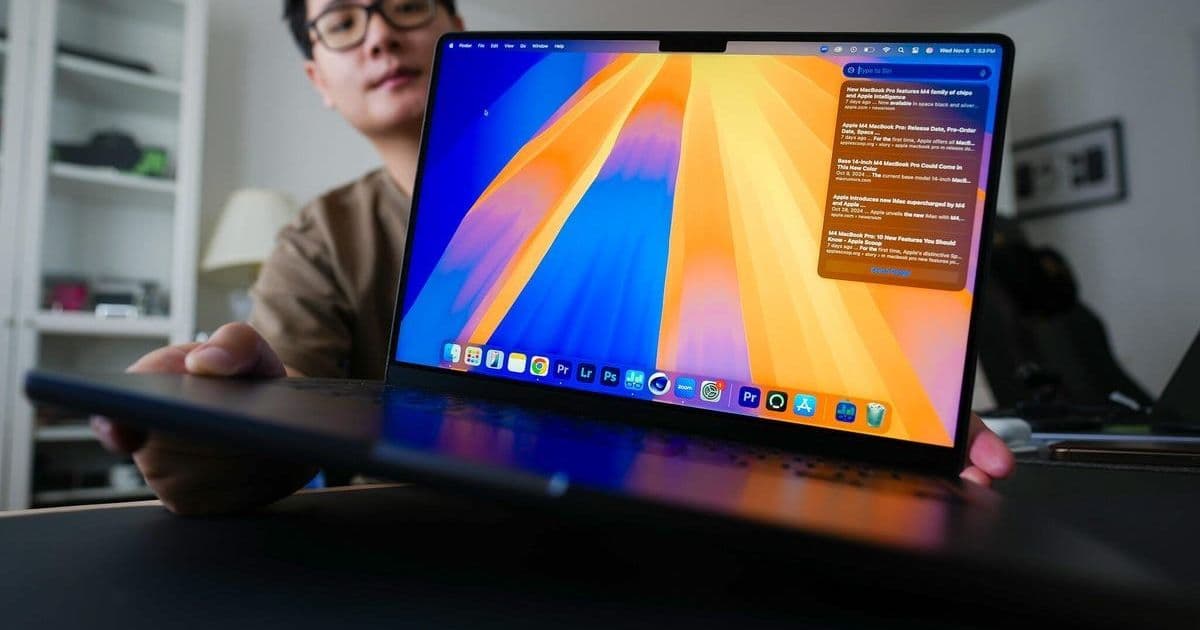
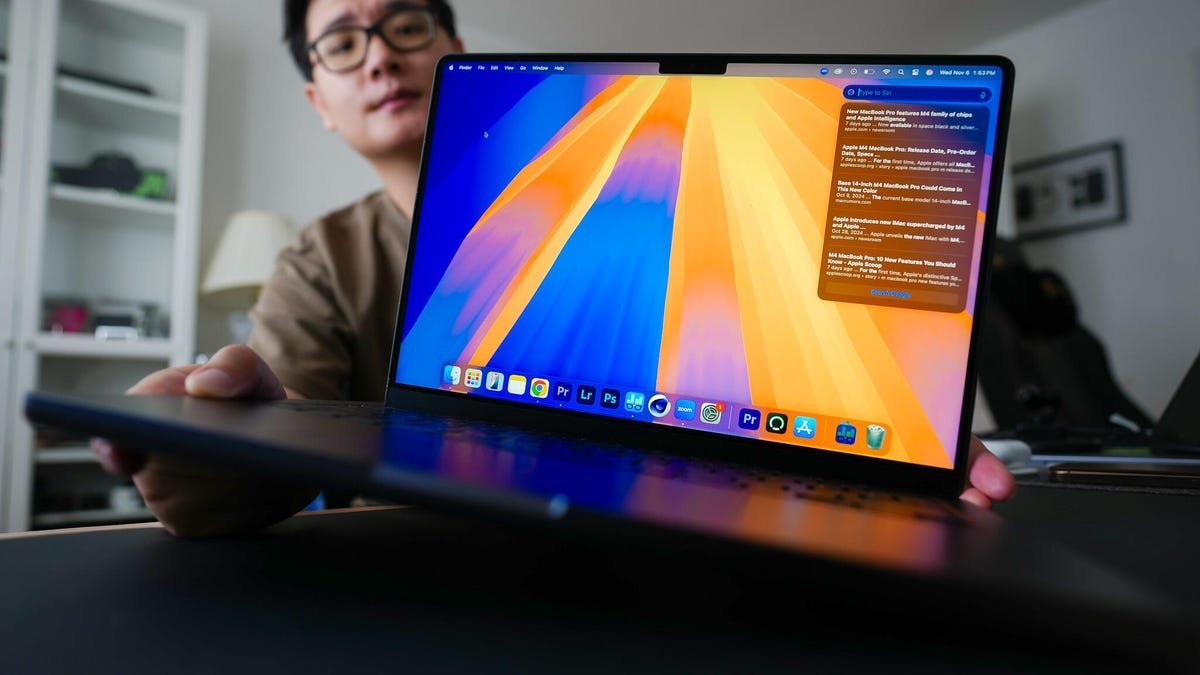
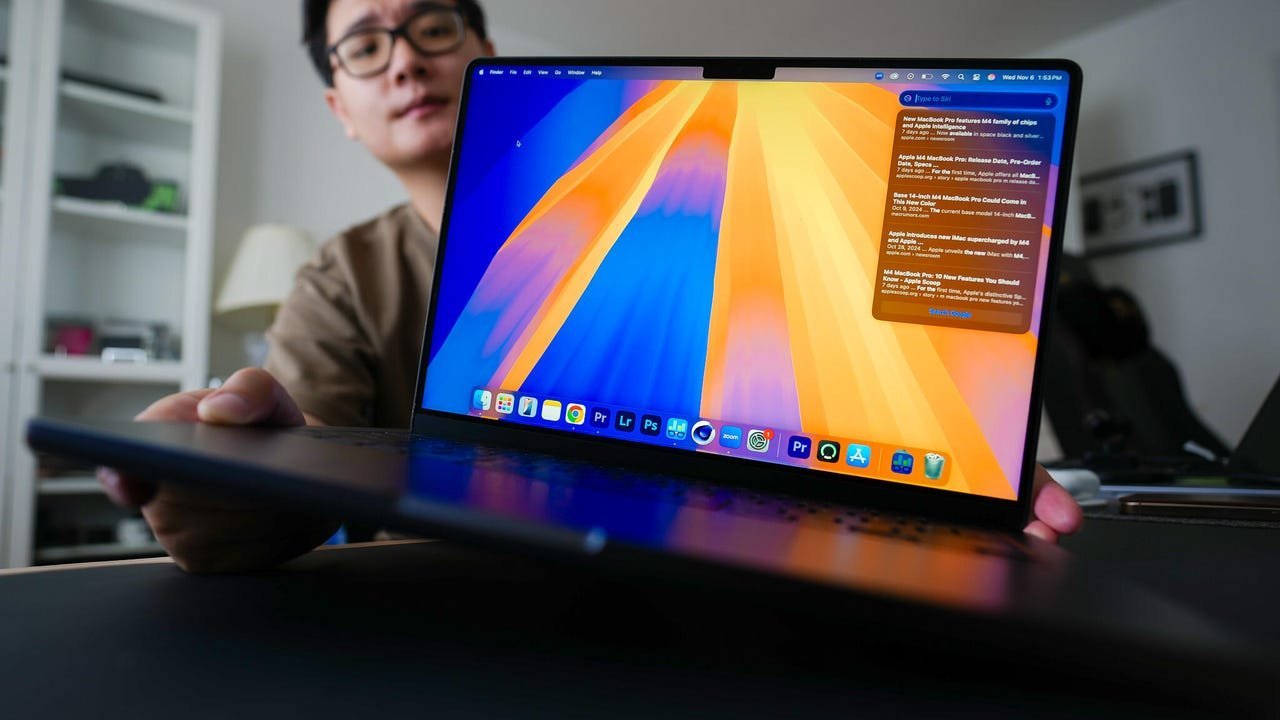 Caption: The 'Liquid Glass' UI in macOS 26 Tahoe emphasizes fluid animations and depth, reflecting Apple's design evolution. (Credit: Kerry Wan/ZDNET)
Navigating the Transition: Beta, Release, and Realities
The macOS 26 public beta launched on July 24, allowing users to test features early—albeit with expected bugs. The stable release is slated for September, aligning with Apple's fall hardware events. While beta participants can preview Tahoe’s enhancements, Intel Mac owners on the compatibility list should treat this update as their last major OS upgrade. Post-Tahoe, these devices won't receive future macOS versions, though critical security fixes may continue briefly.
To check your Mac’s eligibility, click the Apple menu > 'About This Mac.' If your model is Intel-based and predates 2020 (or lacks the specs above), planning an upgrade isn't optional—it's inevitable. The era of cross-architecture support is over, and Apple's silicon future is now the only path forward.
Source: Derived from reporting by Kyle Kucharski at ZDNET.
Comments
Please log in or register to join the discussion