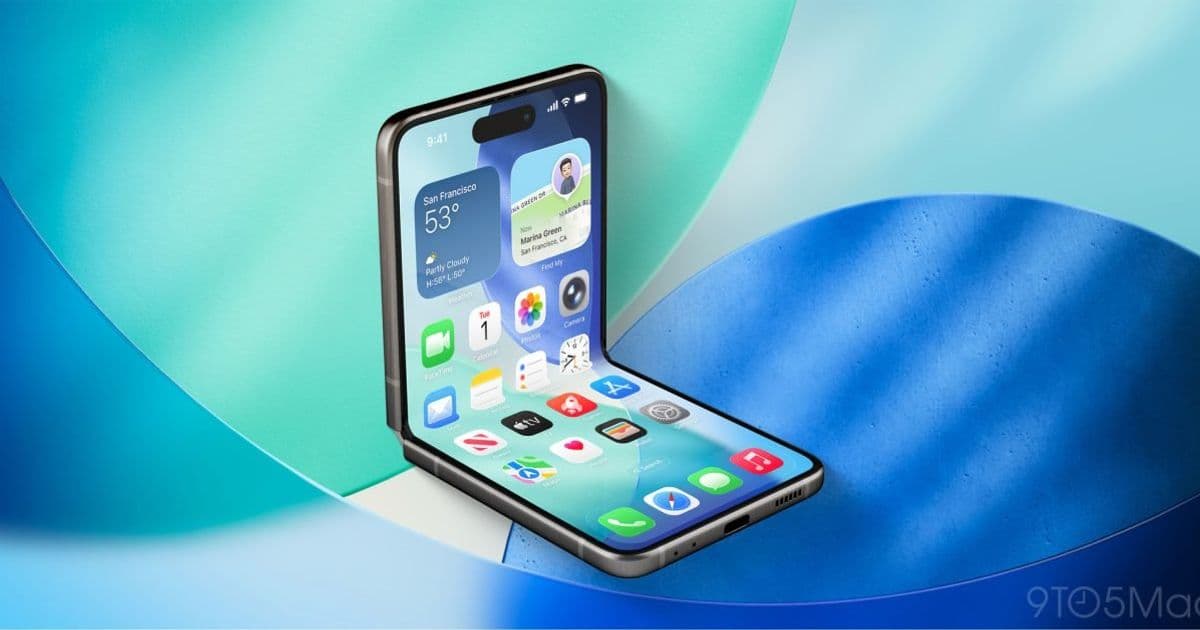
Apple is reportedly testing a clamshell-style 'iPhone Flip' alongside its upcoming book-style foldable, with supply chain leaks suggesting the company is seriously exploring multiple folding form factors for future iPhone models.
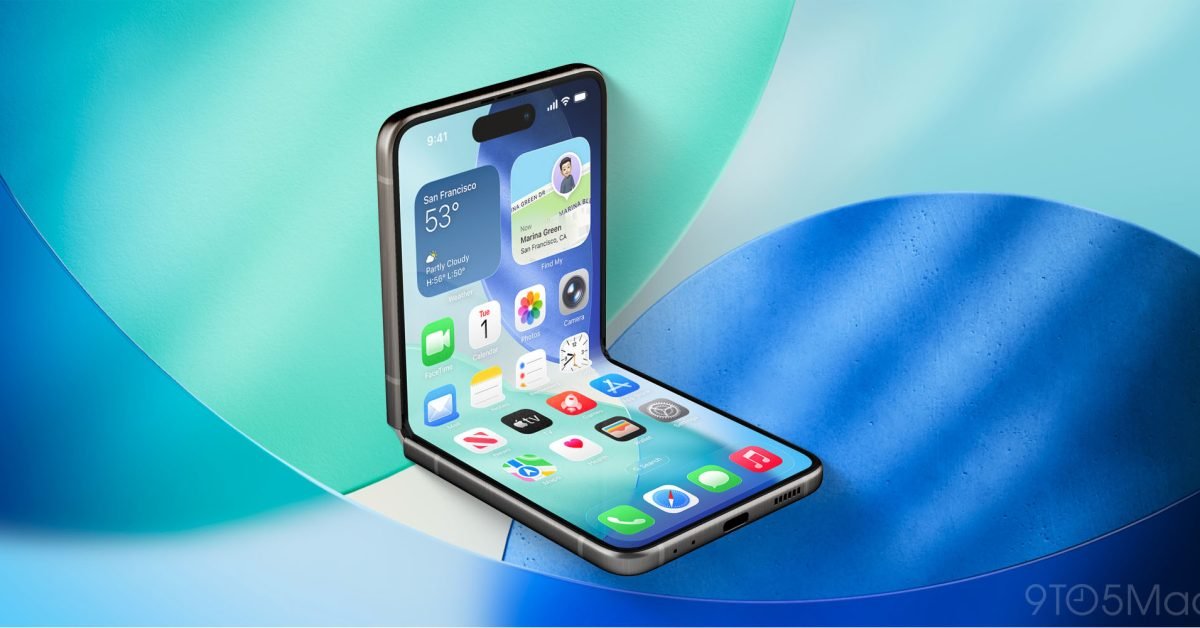
Apple is reportedly testing a clamshell-style 'iPhone Flip' alongside its upcoming book-style foldable, with supply chain leaks suggesting the company is seriously exploring multiple folding form factors for future iPhone models. According to a recent report from Weibo leaker Fixed Focus Digital, who has a reputation for accurate supply chain information, Apple has officially tested a 'Flip' style folding iPhone. However, it remains unclear whether this design will move forward to mass production.
This development comes as Apple prepares to launch its first foldable iPhone this fall, which is expected to feature a book-style folding design similar to Samsung's Galaxy Z Fold series. The news of a potential iPhone Flip adds another dimension to Apple's foldable strategy, suggesting the company is exploring multiple form factors rather than committing to a single design approach.
Apple's foldable roadmap takes shape
The iPhone Fold, set to debut this fall, represents Apple's initial foray into the foldable market. Industry analysts expect this first-generation device to feature a large, book-style display that folds horizontally, providing users with a tablet-sized screen that can be compacted for portability. This approach aligns with what Samsung has successfully implemented in its Fold series and what Google has pursued with its Pixel Fold.
However, the testing of an iPhone Flip indicates Apple is also seriously considering the clamshell form factor popularized by Samsung's Galaxy Z Flip and Motorola's Razr series. The clamshell design offers a more compact folded state while maintaining a standard-sized display when opened, appealing to users who prioritize pocketability without sacrificing screen real estate.
Supply chain validation and development timeline
Fixed Focus Digital's report provides the first concrete evidence that Apple has moved beyond conceptual designs for a clamshell foldable. The mention of official testing suggests hardware prototypes have been built and are undergoing evaluation, though the extent and nature of this testing remain undisclosed.
If Apple decides to proceed with the iPhone Flip, the earliest likely launch window would be fall 2027, with 2028 or later being more probable given the typical development cycles for new iPhone models. This timeline would allow Apple to establish its book-style foldable first, gather user feedback, and then potentially expand its foldable lineup with an alternative form factor.
Market implications and competitive landscape
The dual approach to foldables positions Apple to compete across both major segments of the foldable smartphone market. While the book-style foldable targets productivity-focused users who want a large, uninterrupted display, the clamshell design appeals to fashion-conscious consumers and those who prioritize compact form factors.
This strategy mirrors Apple's approach in other product categories, where multiple form factors often coexist to serve different user preferences. Just as the iPhone lineup includes both standard and Plus models, and the iPad lineup spans multiple sizes, Apple may eventually offer both foldable designs to capture different market segments.
Technical challenges and considerations
Developing a clamshell foldable presents unique engineering challenges compared to the book-style design. The hinge mechanism must accommodate a different stress pattern, and the display technology needs to support repeated folding along a different axis. Apple's expertise in materials science and mechanical engineering, demonstrated through products like the MacBook's hinge mechanism, suggests the company is well-positioned to tackle these challenges.
Battery life, durability, and software optimization represent additional hurdles. The clamshell form factor typically offers less internal volume for batteries, while the folding mechanism introduces new points of potential failure. Apple's tight integration of hardware and software could provide advantages in optimizing the user experience for a clamshell design.
Consumer preferences and market readiness
The question of whether consumers prefer a book-style or clamshell foldable remains open. Early foldable devices faced criticism for durability issues and high prices, though recent generations have addressed many of these concerns. Apple's entry into the market could accelerate mainstream adoption of foldable technology, particularly if the company delivers on its reputation for polish and reliability.
For developers, the potential introduction of multiple foldable form factors means preparing for new screen configurations and interaction patterns. Apps will need to adapt to different folding axes, aspect ratios, and multitasking capabilities, potentially requiring significant updates to user interfaces and user experiences.
Looking ahead
As Apple continues to test and evaluate the iPhone Flip concept, the mobile industry watches closely. The company's approach to foldables could influence the entire smartphone market, much as the original iPhone did in 2007. Whether Apple ultimately launches one, both, or neither of these foldable designs, the fact that the company is seriously exploring multiple form factors signals its commitment to innovation in mobile computing.
The coming years will reveal whether Apple's foldable strategy succeeds in creating new categories of mobile devices or whether the technology remains a niche market. For now, the prospect of an iPhone Flip adds an intriguing dimension to Apple's product roadmap and the future of smartphone design.
Comments
Please log in or register to join the discussion