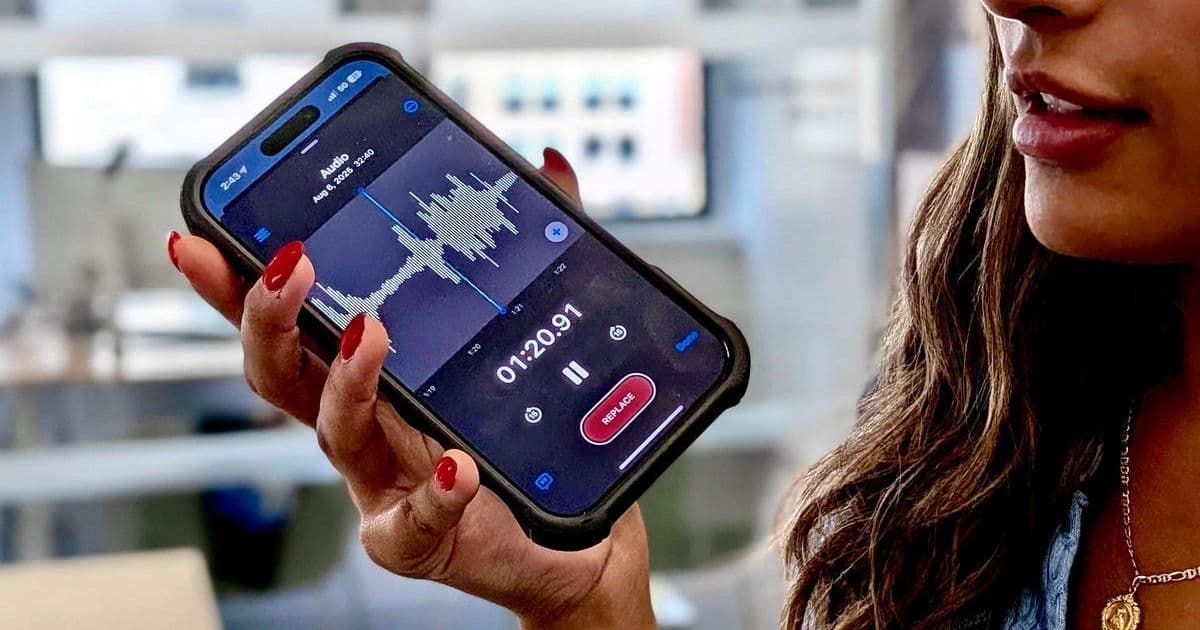
Apple's new voice memo transcription in iOS 18 offers accurate, free transcriptions, saving users over $200 annually compared to services like Otter.ai. This native AI integration highlights how simple, cost-effective features can deliver tangible value by eliminating subscription barriers. The move signals a shift toward embedded AI utilities that prioritize accessibility over flashy gimmicks.
The Unassuming Powerhouse: Apple Intelligence’s Free Transcription Revolution
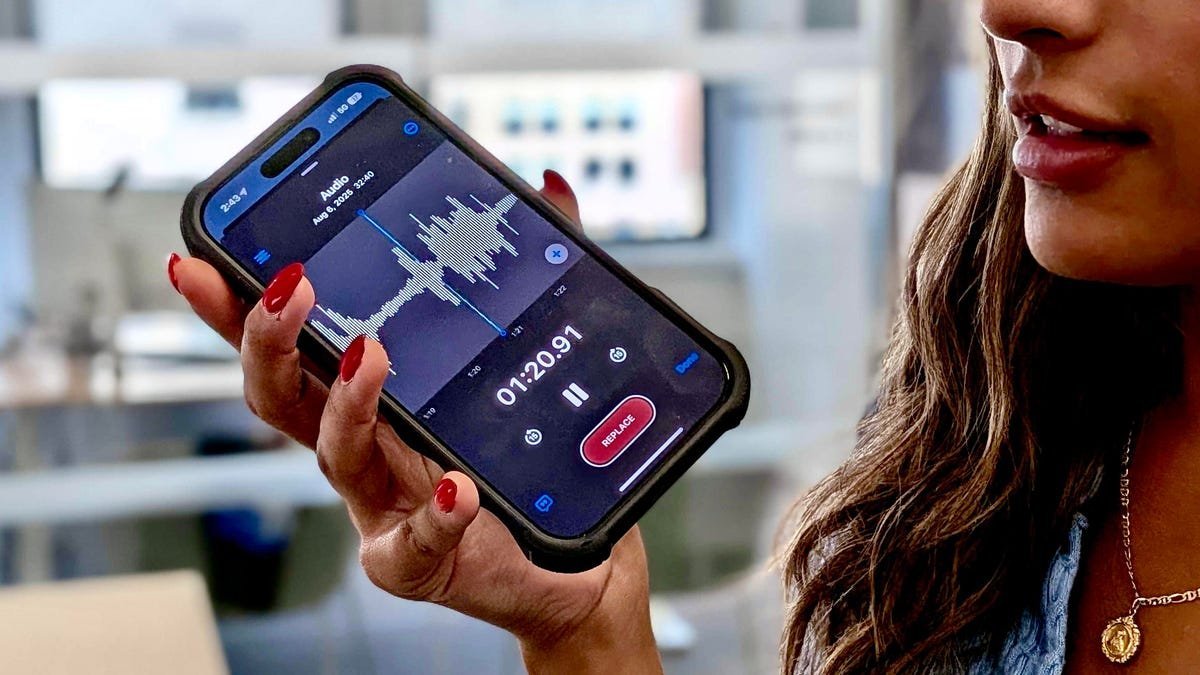
In an era dominated by complex AI promises, Apple Intelligence’s voice memo transcription feature stands out not for its grandeur but for its brute-force utility. As reported by Sabrina Ortiz for ZDNET, this iOS 18 addition is quietly saving professionals like reporters and students hundreds of dollars annually by replacing paid services such as Otter.ai. The brilliance lies in its simplicity: accurate, accessible transcriptions without paywalls—a stark contrast to the subscription fatigue plaguing the tech landscape.
The Otter.ai Dilemma: When Free Turns Restrictive
For years, Otter.ai reigned as the go-to transcription tool, leveraging early AI advancements to convert speech to text. Yet as Ortiz details, its free tier imposes crippling limits: just three lifetime file imports and 300 monthly transcription minutes. Exceed that, and users face "Otter.ai jail"—where archives of older recordings vanish behind a $17/month paywall. This isn’t merely inconvenient; it’s exploitative for those relying on historical data for work or study. Ortiz’s experience as a journalist underscores the pain: interviews and meetings become inaccessible assets, held ransom by pricing models that prioritize profit over user needs.
How Apple’s Native Solution Wins
Apple Intelligence’s transcription integrates seamlessly into the existing Voice Memos app, requiring only iOS 18 and an iPhone 12 or later (with full Apple Intelligence features needing an A17 Pro chip or newer). To use it:
- Record audio directly in Voice Memos.
- Tap the quotation-mark-in-thought-bubble icon during or after recording.
- Instantly access scrollable, timestamped text.
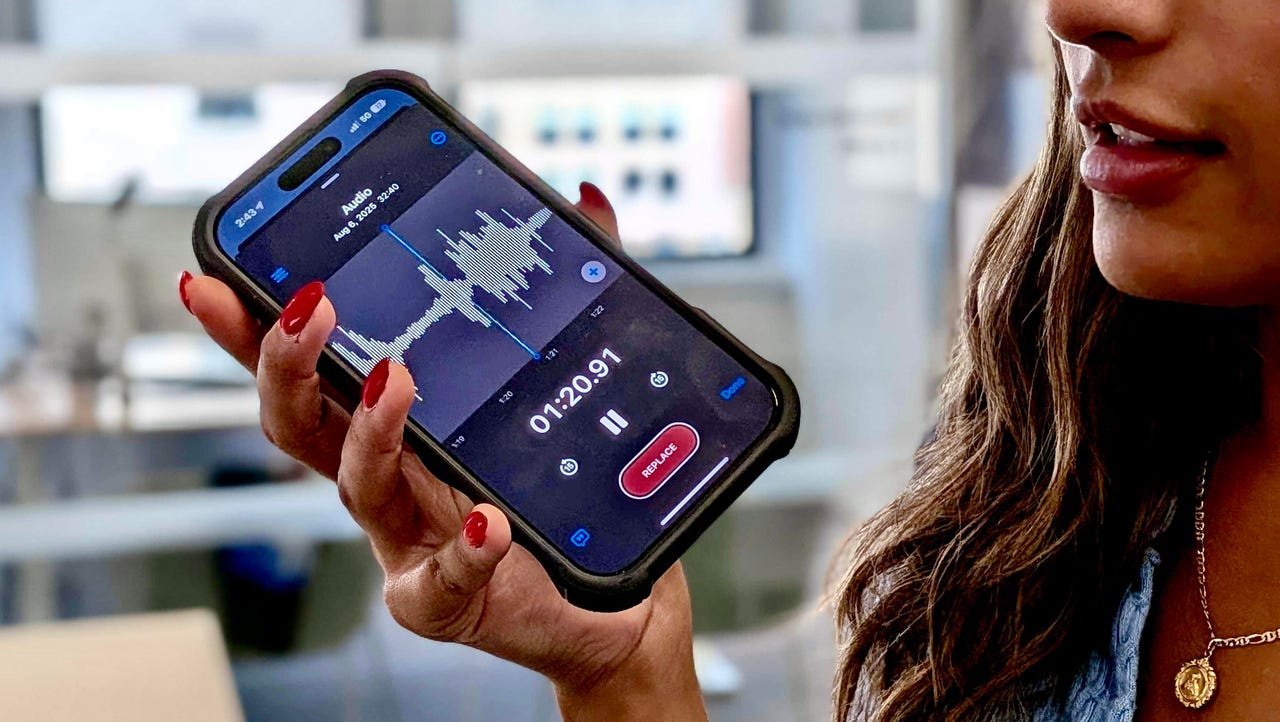 Caption: Nina Raemont/ZDNET
The transcripts sync with playback, letting users jump to specific audio segments by tapping text—a feature Ortiz praises for verification. While it lacks Otter.ai’s annotation tools, exporting full transcripts to apps like Google Docs is effortless. Crucially, all functionality remains free, with no hidden tiers or data lock-in. Accuracy, tested by Ortiz over months, rivals paid alternatives, making it a reliable daily driver.
Why Developers and Tech Leaders Should Take Note
This isn’t just a consumer win; it’s a blueprint for AI’s future. Apple’s approach demonstrates how native OS integrations can outcompete standalone apps by eliminating friction and cost. For developers, it signals opportunity: building lightweight, specialized AI tools into existing platforms could trump monolithic SaaS models. Security-wise, on-device processing (a hallmark of Apple Intelligence) reduces cloud dependency, mitigating data privacy risks inherent in third-party services. The feature’s hardware requirements—accessible to iPhones up to five years old—also highlight Apple’s push toward democratizing AI without alienating legacy users.
Ultimately, Apple’s transcription tool embodies a powerful truth: AI’s value isn’t measured by complexity but by solving real problems invisibly. As Ortiz concludes, it’s a reminder that sometimes the smallest innovations yield the loudest impact—reshaping markets by putting users, not revenue, first. In a world drowning in AI hype, that’s a revolution worth hearing.
Comments
Please log in or register to join the discussion