Apple's rumored low-cost MacBook promises iPhone-level performance with significant compromises on memory, display quality, and features, raising questions about its value proposition in the competitive entry-level laptop market.
Apple's product lineup is set for an intriguing shakeup next week with the rumored return of the MacBook brand as an affordable entry-level laptop. After years of absence, the MacBook nameplate is making a comeback, but not without some controversial compromises that may test Apple's ability to balance cost-cutting with user experience.
Performance: iPhone Power in a Laptop Shell
The heart of this budget MacBook will be the A18 Pro system-on-chip, a processor that brings iPhone-level performance to the laptop form factor. According to leaks, the A18 Pro features a 6-core CPU configuration with 4 efficiency cores and 2 performance cores, delivering single-core performance that rivals Apple's high-end chips. However, the multi-core performance appears to be capped at Apple M1 levels from 2020.
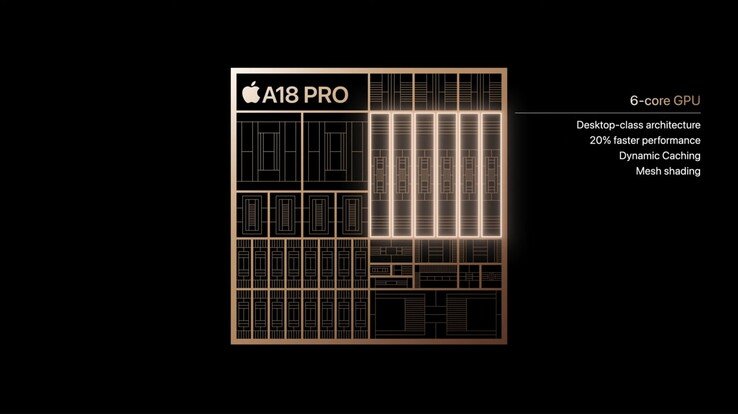
While the M1 still holds up remarkably well in the entry-level space even in 2026, the A18 Pro's limitations become apparent when considering modern workloads. The GPU performance is expected to mirror the M1 almost exactly, which means decent graphics capabilities for light creative work and casual gaming, but nothing groundbreaking.
Memory Woes: 8GB May Be the Dealbreaker
The most concerning rumor surrounds the system's memory configuration. At just 8GB of unified memory, this MacBook could struggle with contemporary multitasking demands. While 8GB was acceptable in 2020, today's operating systems and web browsers have grown increasingly memory-hungry.
Students, who are likely to be a primary target demographic, often juggle multiple browser tabs, research documents, and productivity apps simultaneously. The 8GB limitation could make this machine feel sluggish in real-world use, especially as software continues to evolve and demand more resources.
Compounding this issue is Apple's notorious lack of memory upgrade options. Once you choose an 8GB configuration, you're locked in for the life of the device, making this a particularly poor choice for future-proofing.
Display Compromises: Brightness and Features Cut
The 12.9-inch Retina display represents another area where cost savings come at the expense of user experience. While it will maintain Apple's Retina resolution, rumors suggest significantly reduced brightness compared to premium models.
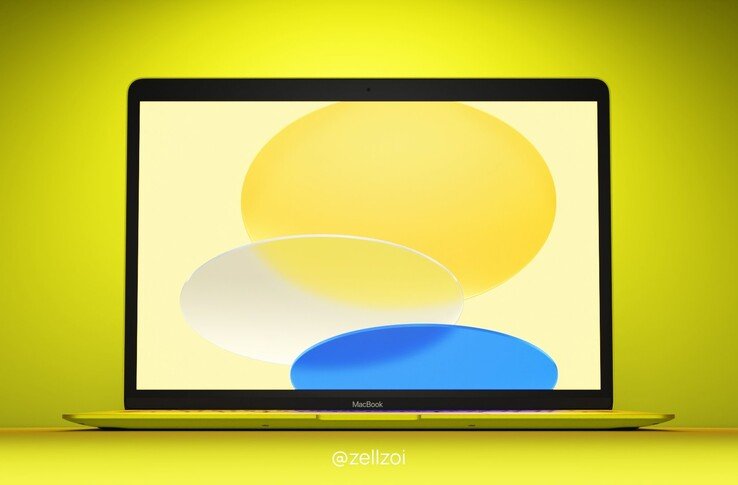
For context, current MacBook Air models feature 500-nit panels, while the 13-inch MacBook Pro reaches 1,000 nits of sustained brightness. The budget MacBook may drop to 400 nits, matching older Air models. This reduction could make outdoor use more challenging and diminish the overall visual experience.
Additionally, the display is rumored to lack True Tone technology, Apple's ambient light adaptation feature that provides more natural color representation. This omission will disappoint users accustomed to the feature on other Apple devices.
Storage and Color Options: Limited but Colorful
Storage options appear equally constrained, with a maximum of 512GB and potentially a 128GB variant exclusively for students. While 512GB should suffice for most students, the 128GB option feels particularly stingy in 2026, especially considering Apple's last MacBook with such limited storage launched seven years ago.
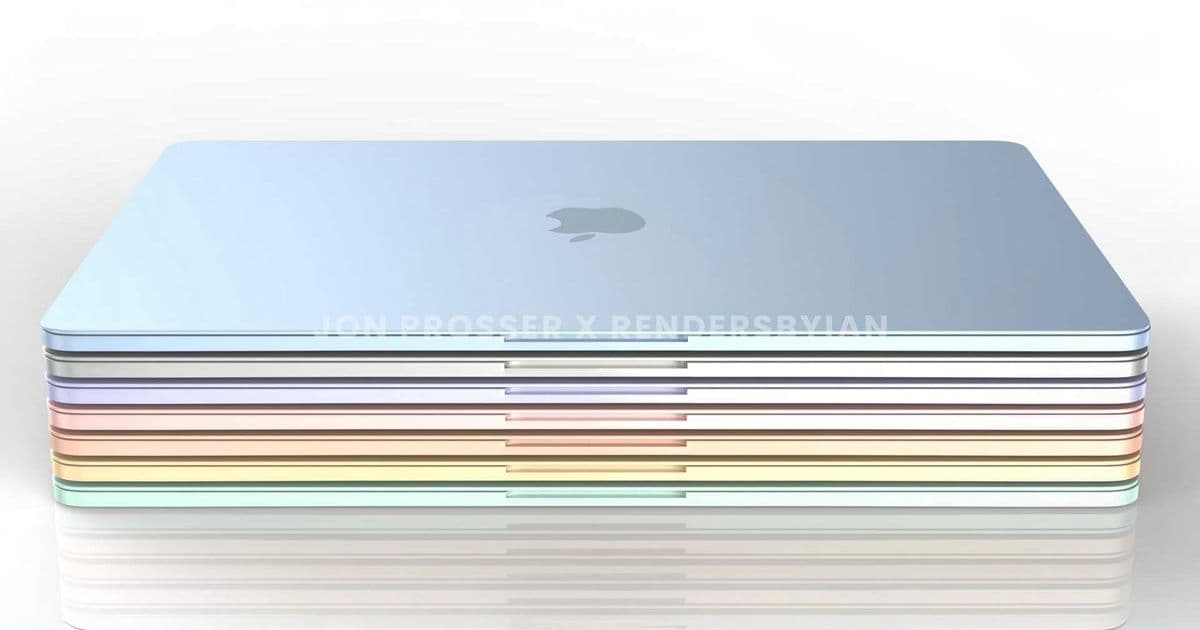
On a brighter note, Apple seems committed to making this device visually distinctive. The MacBook will reportedly launch in five "fun" colorways: light blue, light yellow, pink, classic silver, and dark gray. These options were originally intended for the Apple Silicon MacBook Air but were ultimately shelved.
Build Quality and Missing Features
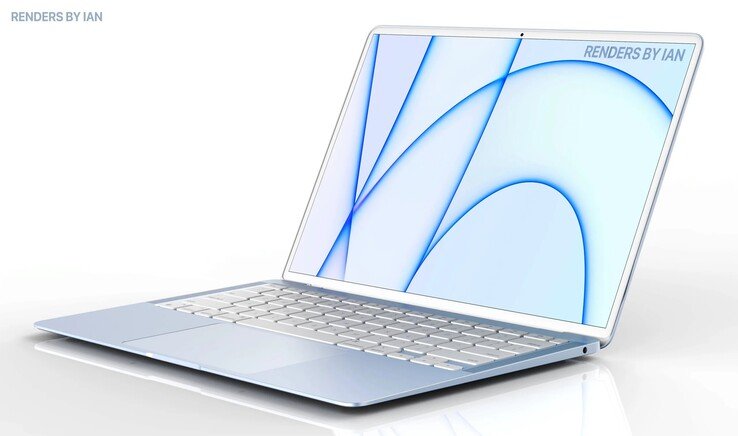
Despite the numerous compromises, Apple appears unwilling to sacrifice build quality. The all-aluminum construction should maintain the premium feel associated with MacBooks, and new manufacturing processes may help keep costs down without compromising durability.
However, several features may be missing that could be dealbreakers for some users. Rumors suggest the absence of high-impedance headphone support and, most surprisingly, a backlit keyboard. The latter would be particularly unusual, as Apple hasn't shipped a MacBook without keyboard backlighting in over 15 years.
Pricing: The Make-or-Break Factor
With all these compromises, pricing becomes absolutely critical to the MacBook's success. Industry watchers have dubbed this the "low-cost" MacBook for good reason - its market viability depends entirely on how aggressively Apple prices it.
Initial expectations pointed to a $599 price point, which would have positioned it competitively against Chromebooks and Windows laptops in the entry-level segment. However, recent reports suggest Apple may be forced to charge as much as $749 due to rising component costs, including a reported 100% price hike for LPDDR5X memory modules from Samsung.
Target Audience and Market Position
This MacBook appears squarely aimed at students and budget-conscious consumers who prioritize the Apple ecosystem over cutting-edge specifications. It's essentially an iPhone experience in laptop form - excellent for web browsing, document editing, and light productivity, but potentially frustrating for more demanding tasks.
The device's success will hinge on whether Apple can deliver enough value at its price point to justify the numerous compromises. At $599, it could be a compelling option for Apple enthusiasts on a budget. At $749, it risks being overshadowed by more capable Windows laptops and even Apple's own MacBook Air, which occasionally sees significant discounts.
The Bigger Picture
This rumored MacBook represents an interesting experiment in Apple's product strategy. It's essentially a test of whether the company can successfully downscale its premium experience without completely alienating users. The numerous compromises suggest Apple is pushing the limits of what corners can be cut while maintaining the "Apple experience."
Next week's launch event will finally reveal whether these rumors hold true and, more importantly, whether Apple has found the right balance between affordability and functionality. For now, potential buyers should carefully consider whether the ecosystem benefits outweigh the hardware limitations, especially given the non-upgradable nature of key components.
The return of the MacBook brand after years in limbo is exciting in itself, but whether this budget offering can recapture the magic of the original MacBook line remains to be seen.
Comments
Please log in or register to join the discussion