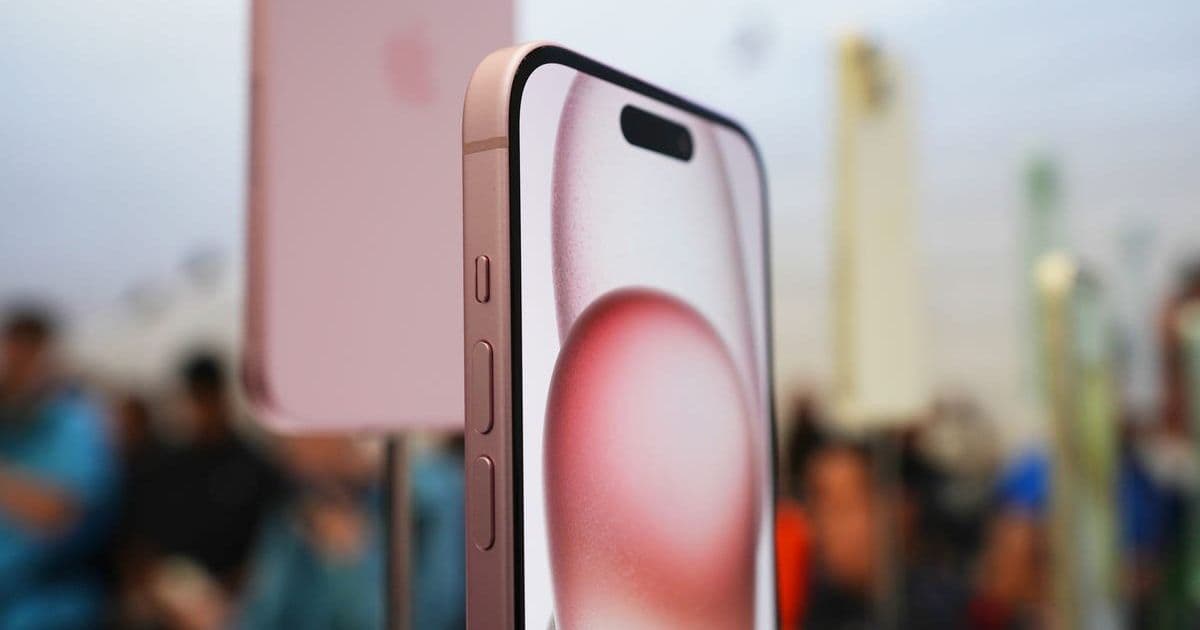
Apple's September event promises a major iPhone redesign with the rumored ultra-thin iPhone 17 Air, alongside Watch Series 11 and iOS 26's Liquid Glass interface. This strategic shift addresses evolving user preferences for sleek hardware and marks Apple's most significant design overhaul in over a decade.
The tech calendar's crown jewel arrives September 9th as Apple prepares to unveil its iPhone 17 lineup at Apple Park. Beyond the expected iterative updates, this year's event signals a fundamental shift in smartphone design philosophy with the anticipated debut of an ultra-slim iPhone 17 Air model – potentially replacing the Plus variant and challenging competitors like Samsung's Galaxy S25 Edge.
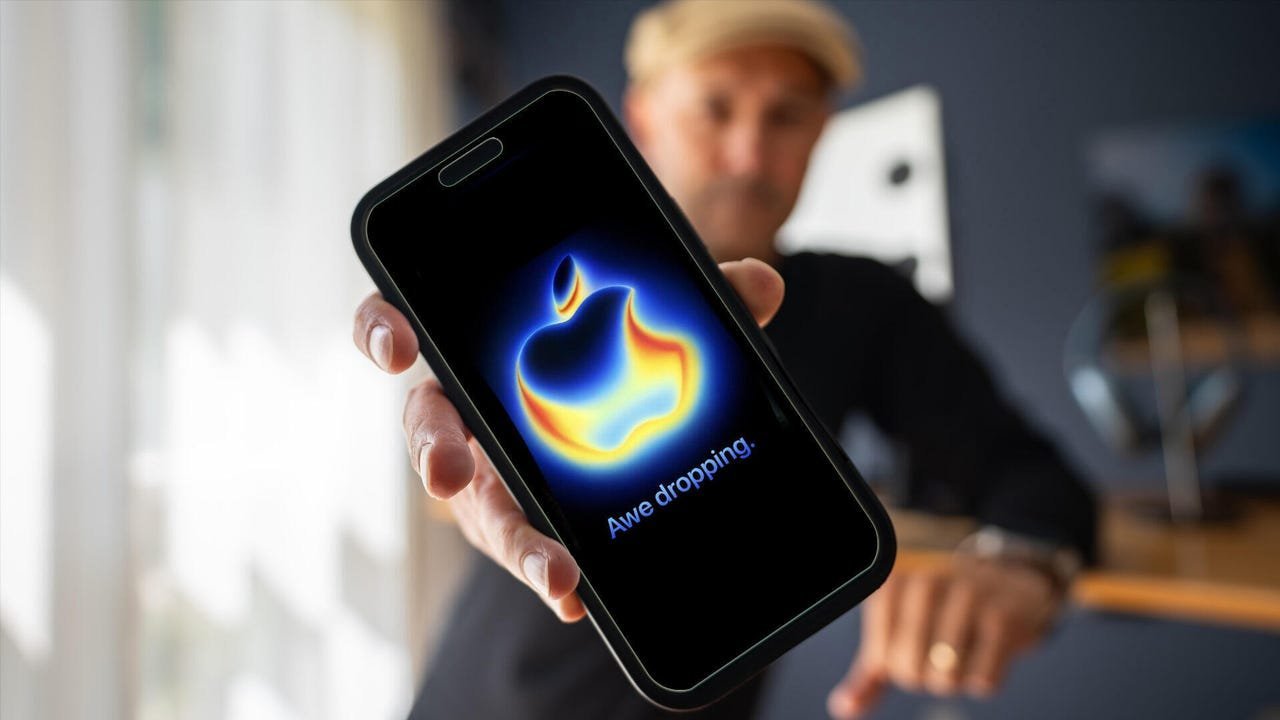 Jason Hiner/ZDNET
How to Witness the Unveiling
- Livestream: Available on Apple's website and Apple's YouTube channel starting at 10 a.m. PT
- ZDNET Coverage: Real-time analysis and reporting directly from Cupertino
The Core Expectations: Beyond the Obvious
iPhone 17 Lineup Evolution:
- iPhone 17 Air (Slim): The star attraction. Rumors point to a dramatically thinner profile targeting portability without sacrificing screen size, potentially positioned between the base iPhone 17 ($799+) and Pro models ($999+). This represents Apple's first major form factor shift since the iPhone X.
- iPhone 17 Pro/Pro Max: Expected camera advancements (particularly computational photography), A19 Pro chip enhancements, and potential thermal management improvements for sustained performance.
Wearables & Audio Refresh:
- Apple Watch Series 11: Focus likely on health sensor accuracy, battery life improvements, and new watch faces leveraging WatchOS 26.
- Apple Watch Ultra 3: Potential durability upgrades and specialized athletic tracking features.
- AirPods (4th gen): Anticipated with USB-C charging case integration and potential fit/audio quality refinements.
Software Revolution - Liquid Glass:
- iOS 26: The headline software feature is "Liquid Glass" – Apple's first major iOS visual redesign since iOS 7. Expect fluid animations, refined typography, and potentially more customizable interface elements.
- Cross-Platform Launch: macOS 26, watchOS 26, and tvOS 26 will ship simultaneously, emphasizing ecosystem cohesion.
Strategic Implications & Market Impact The iPhone 17 Air isn't just a new model; it's a strategic response to market saturation and evolving user demands. By prioritizing thinness and ergonomics alongside power, Apple targets users fatigued by bulky premium devices. This move pressures Android manufacturers to further refine their flagship designs and could accelerate the trend toward specialized smartphone form factors beyond just screen size.
Pricing remains a critical unknown. While base models may hold their price points, tariffs and the Air's premium positioning could push the upper tier closer to $1,300. Developers should prepare for Liquid Glass's UI changes, which will necessitate app interface audits and potential animation adjustments to maintain visual harmony within the new ecosystem.
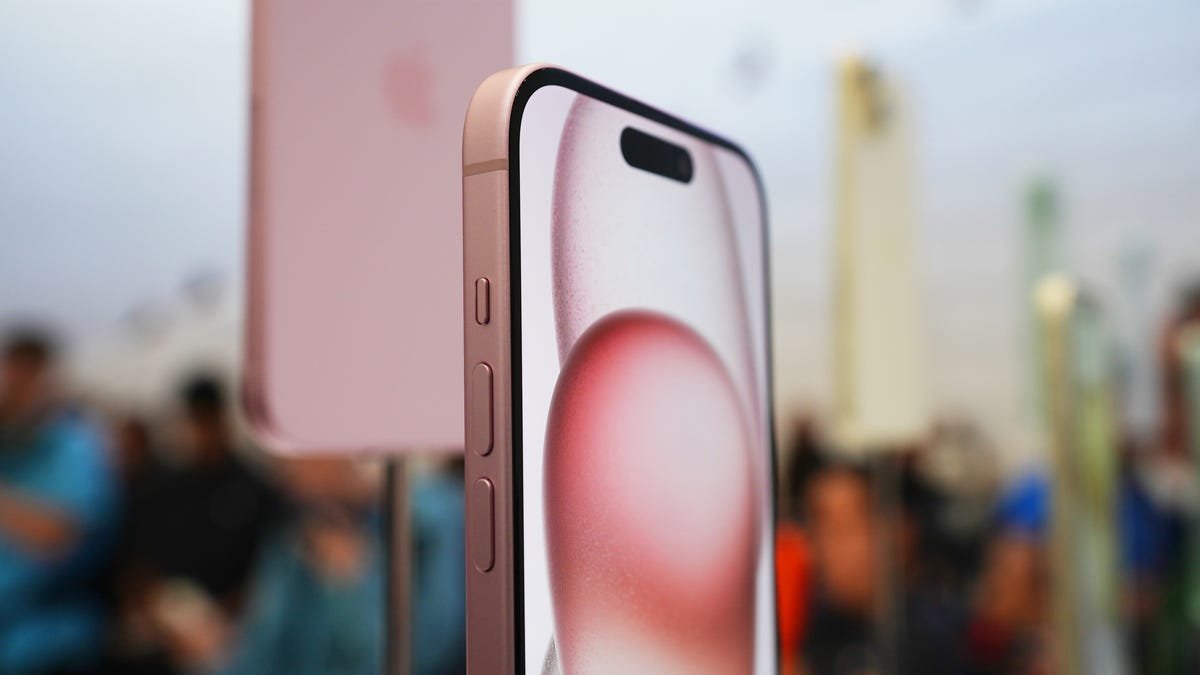 Main article image showcasing iPhone design evolution
The Broader Vision Tuesday's event transcends product launches. It showcases Apple's ambition to redefine smartphone interaction physically (via the Air) and digitally (via Liquid Glass). For developers and tech leaders, it underscores the increasing importance of designing for diverse hardware profiles and adapting to platform-wide visual paradigm shifts. The era of monolithic smartphone design is giving way to a landscape where purpose-built form factors and deeply integrated software experiences dominate premium segments.
Source: Based on reporting by Sabrina Ortiz, Senior Editor at ZDNET
Comments
Please log in or register to join the discussion