The Idris Elba thriller returns today with a fresh setting—a Berlin underground train—while Apple TV continues to expand its cross-platform accessibility, a key consideration for developers building streaming apps.
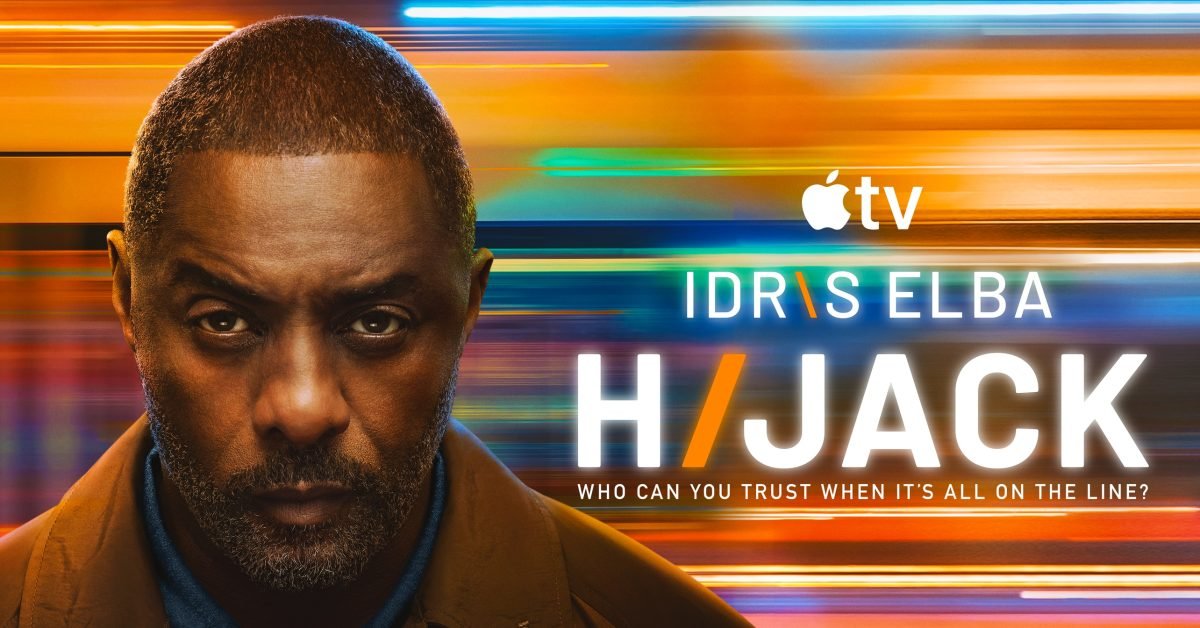
The popular thriller Hijack, starring Idris Elba, premieres its second season today on Apple TV, shifting its high-stakes action from a transatlantic flight to the claustrophobic confines of a Berlin underground train. This change in setting marks a deliberate narrative pivot for the series, which first captured audiences in 2023 by trapping negotiator Sam Nelson (Elba) on a hijacked plane. The new season, comprising eight episodes released weekly starting January 14, maintains the show's core premise of a single protagonist navigating a crisis in real-time, but trades the open skies for the complex, subterranean network of a major European city.
For mobile developers and streaming service builders, this release underscores a critical trend in the industry: the importance of platform-agnostic content delivery. Apple TV, as a service, is not confined to Apple hardware. The app is available on a vast array of devices, including iPhone, iPad, Mac, Apple TV set-top boxes, Android phones and tablets, Windows PCs, PlayStation, and Xbox. This cross-platform strategy is essential for reaching the widest possible audience, a principle that directly impacts developers tasked with building or maintaining streaming applications. Ensuring a consistent user experience across these diverse operating systems and device form factors—each with its own SDKs, UI guidelines, and performance constraints—is a significant engineering challenge.
The first season of Hijack proved the commercial viability of Apple's original content strategy. It became the second Apple TV original, after Ted Lasso, to appear on the Nielsen US streaming chart, a notable achievement for a relatively new entrant in the streaming wars. This viewership data is crucial for Apple, as it justifies continued investment in original programming. For the development community, this success translates into more opportunities to work on the underlying technology that powers these platforms. The backend services, content delivery networks (CDNs), and client-side applications that handle millions of concurrent streams require robust, scalable architectures.
From a technical perspective, the release schedule—weekly episodes rather than a full-season drop—has implications for app design. Developers must build systems that can handle staggered content releases, manage user expectations around episode availability, and implement features like "next episode" prompts and watchlists that remain functional across the entire season lifecycle. The user interface must clearly communicate release dates and times, which often involves integrating with time zone databases and handling localization for a global audience.
The mixed critical reception of Hijack highlights a common tension in streaming content: the balance between thrilling action and narrative plausibility. While some reviewers praise the stylish action sequences, others critique the increasingly ludicrous plotlines. This is a reminder that for streaming platforms, content quality is a multifaceted metric. For developers, it reinforces the need for analytics that go beyond simple view counts. Understanding user engagement—where viewers drop off, which scenes are re-watched, and how they navigate the app between episodes—provides invaluable data for both content creators and product teams.
Looking ahead, the creators have hinted at potential ideas for a third season or even a movie, contingent on the performance of season two. This long-term planning is a key aspect of managing a streaming service's content pipeline. For developers, it means building systems that are flexible enough to accommodate future expansions, whether that involves new seasons, spin-offs, or different formats like interactive content or live events. The underlying architecture must be designed for scalability and modularity.
The accessibility of Apple TV through various bundles, such as Amazon Prime Video or the Apple One subscription, further complicates the development landscape. Users may access the same content through different billing relationships and app interfaces. This requires careful management of user accounts, entitlements, and content rights across different platforms and partners. For example, a user who subscribes through Amazon Prime Video must have their access correctly recognized and granted within the Apple TV app on their device, which involves secure API calls and token validation.
For developers building apps for the Apple TV platform itself—the hardware device—the experience is tightly integrated with the tvOS SDK. However, for the Apple TV service, the development challenges are broader. The Android version of the app must adhere to Material Design guidelines, while the Windows version might be a web-based wrapper or a native application. Each platform has its own set of performance characteristics and limitations. A high-bitrate 4K HDR stream that plays smoothly on a latest-generation Apple TV 4K might cause buffering on an older Android tablet or a Windows laptop with limited network bandwidth. Adaptive bitrate streaming, powered by protocols like HLS or DASH, is therefore not just a feature but a necessity.
The release of Hijack season two is more than just a new TV show; it's a case study in modern streaming platform operations. It demonstrates the need for a unified content management system that can schedule releases, manage metadata, and distribute assets globally. It highlights the importance of a resilient backend that can handle spikes in traffic during premiere windows. And it exemplifies the user-centric design required to keep subscribers engaged across a fragmented device ecosystem.
As the season unfolds over the next eight weeks, developers and engineers in the streaming space will be watching not just the plot, but the platform's performance. How does Apple TV handle the weekly traffic surge? Are there any regional outages or playback issues? How does the app's recommendation algorithm evolve as more data is collected? These are the real-world technical challenges that underpin the entertainment we consume. The success of a show like Hijack depends on a seamless viewing experience, which in turn depends on the silent, complex work of software development across multiple platforms and technologies.
For those interested in the technical side of streaming, Apple provides extensive documentation on implementing video playback with AVFoundation and AVKit for its own platforms, while resources for Android and other platforms are available through their respective developer portals. The cross-platform challenge is a constant area of innovation, with tools like React Native, Flutter, and native SDKs all playing a role in building the next generation of streaming applications. As content like Hijack continues to push the boundaries of storytelling, the technology that delivers it must keep pace, ensuring that the thrill of the show is matched by the reliability of the service.
Comments
Please log in or register to join the discussion