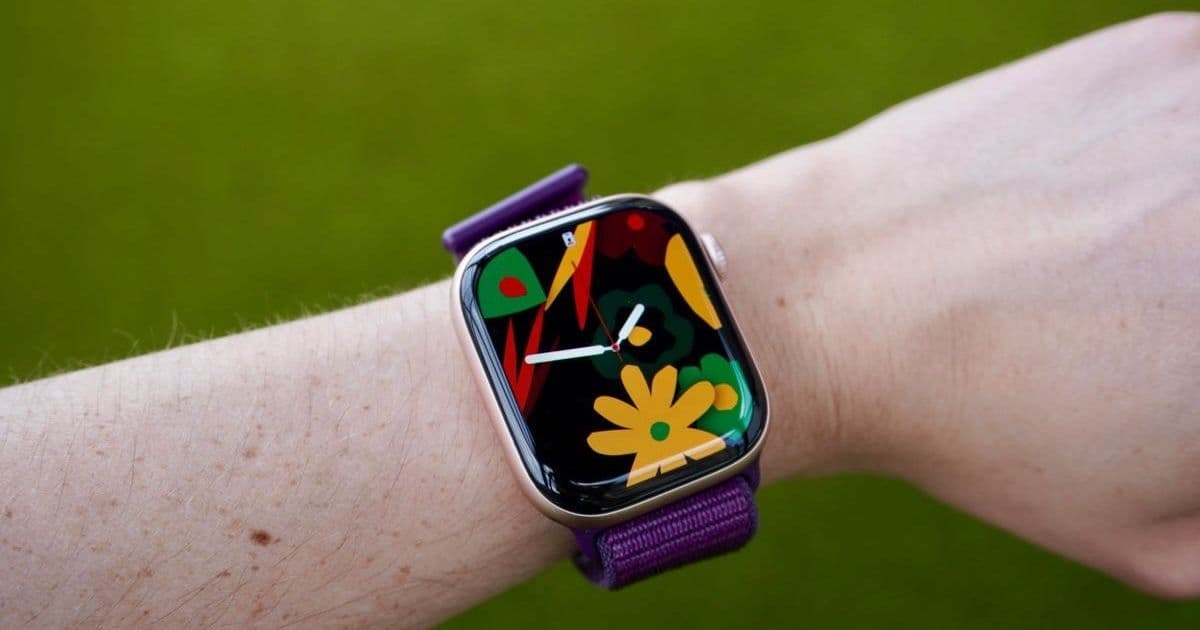
As Apple Watches evolve into essential tools for health monitoring and productivity, choosing the right model impacts daily workflows and innovation. Our deep dive compares the Series 10, Ultra 2, and SE, highlighting technical specs and real-world applications for developers, athletes, and families.
For developers and tech professionals, wearables like the Apple Watch have transcended mere convenience—they're now pivotal in health tech innovation, IoT integration, and user experience design. With new models anticipated later this year, ZDNET's expert testing, led by Nina Raemont and Allison Jewell, reveals which current Apple Watches deliver the most value for coding, fitness tracking, and beyond. Here’s the breakdown.
The Standout Performer: Apple Watch Series 10
ZDNET's top pick, the Apple Watch Series 10, excels for most users with its blend of advanced sensors and refined design. Key upgrades include:
- Sleep apnea detection: Leveraging accelerometer data to monitor breathing disturbances, a leap for health-focused app developers.
- Thinner, lighter build (10% reduction): Enhances comfort for 24/7 wear, crucial for sleep studies or continuous data collection.
- Water depth and temperature sensors: Ideal for aquatic activity apps, supporting depths up to 6 meters.
- Brighter OLED display (40% improvement): Ensures readability in varied lighting, beneficial for outdoor testing.
"The Series 10’s 36-hour battery and 64GB storage make it a powerhouse for prototyping health apps," notes Raemont. At $399 (aluminum model), it’s a cost-effective entry—though skip the $699 titanium version; the Ultra 2 offers better durability for marginally more.
Pros: Enhanced sleep tracking, fast charging, larger screen.
Cons: Cellular costs extra; less rugged than Ultra 2.
For Extreme Use Cases: Apple Watch Ultra 2
Built for developers pushing boundaries in harsh environments, the Apple Watch Ultra 2 boasts unmatched durability and features:
- Military-grade toughness: Titanium case, sapphire crystal, and IPX6 dust resistance withstand shocks, temps from 4°F to 130°F, and depths to 100 meters.
- 72-hour battery life: Enables extended field testing without recharge interruptions.
- Dual-frequency GPS: Reduces signal interference in urban or mountainous areas, perfect for geolocation apps.
- 86-decibel emergency siren: A safety net for remote work or outdoor R&D.
Contributor Matthew Miller praised its "long battery and brighter display for on-the-go diagnostics." At $800, it’s pricey but justifies the cost for engineers in IoT or sports tech.
Pros: Unrivaled durability, action button for custom workflows.
Cons: Bulky for smaller wrists; premium pricing.
Budget-Friendly Entry: Apple Watch SE (2nd Gen)
Ideal for prototyping or family-oriented tech, the Apple Watch SE offers core functionality at $249:
- Family Setup: Configure via iPhone for kids or elderly users—no secondary device needed, simplifying accessibility projects.
- Fall/crash detection: Useful for safety-focused applications.
- 32GB storage: Handles basic apps and data logging.
However, it lacks blood oxygen and ECG sensors, making it less suited for advanced health development. Cellular adds $50 upfront plus $10/month—still a steal for testing communication features.
Pros: Affordable, easy setup.
Cons: Limited health sensors; shorter 18-hour battery.
Why This Matters for Tech Innovators
Apple’s ecosystem isn’t just consumer tech; it’s a sandbox for developers. The Series 10’s sleep apnea algorithms, for instance, open doors for AI-driven health insights. Meanwhile, tariffs (up to 54% on imports) may hike prices soon, urging quicker adoption. As WatchOS 26 approaches with features like contextual Smart Stacks and gesture controls, these devices will further blur lines between hardware and experiential coding.
ZDNET’s testing methodology—spanning weeks of real-world use, GPS accuracy checks, and sleep tracking validation—ensures these recommendations withstand scrutiny. For those building the next wave of wearables, understanding these models’ strengths is the first step toward innovation.
Source: ZDNET testing and reviews by Nina Raemont and Allison Jewell, July 2025.
Comments
Please log in or register to join the discussion