
Europe confronts Epstein shame amid muted US reckoning
Europe is grappling with the fallout from Jeffrey Epstein's crimes in a way that starkly contrasts with the United States' approach under the Trump administration.
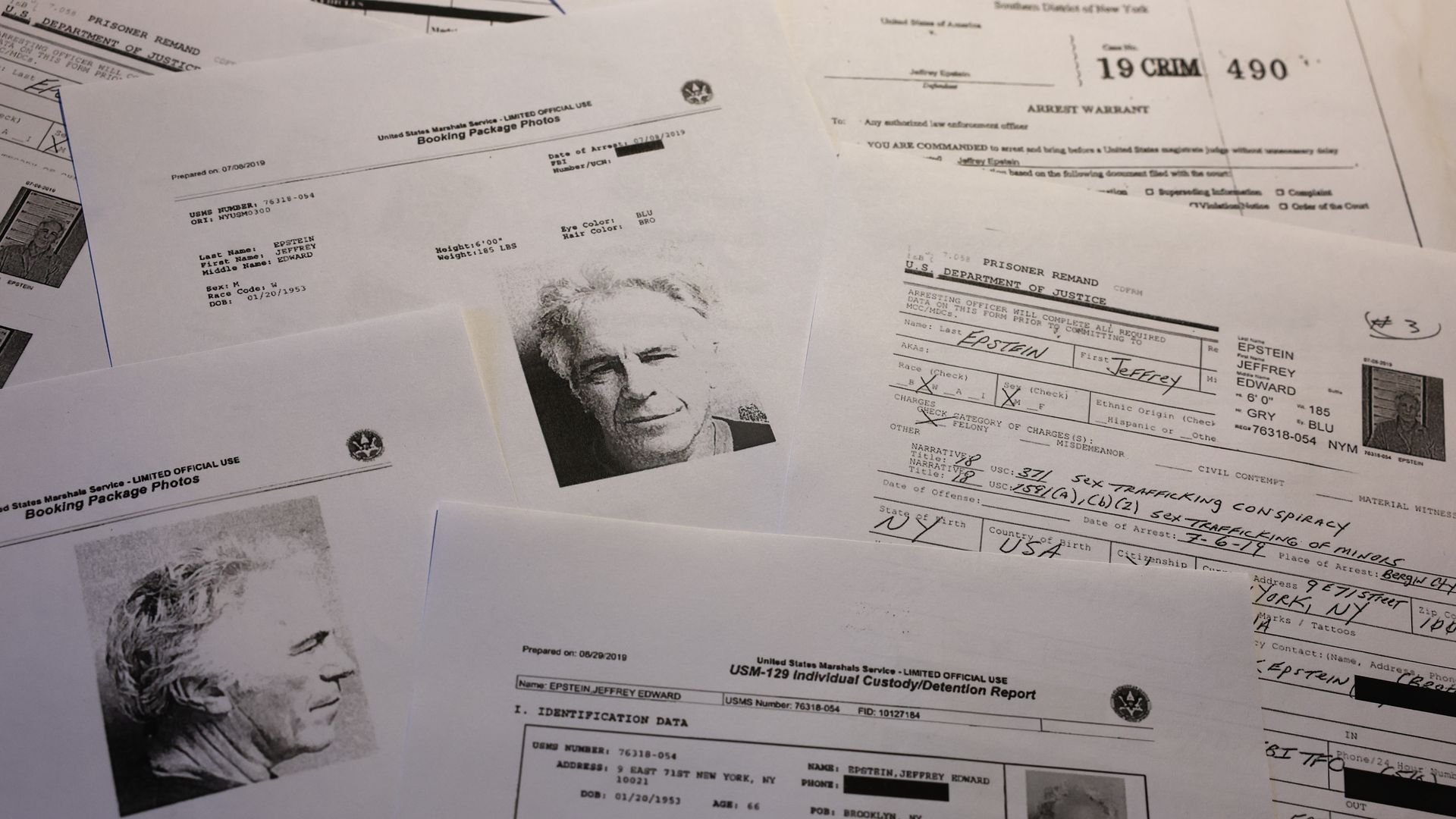
Printed documents available at the DOJ's Epstein Library in Krakow, Poland, on Feb 6. Photo: Jakub Porzycki/NurPhoto via Getty Images
The contrast between European and American responses to the Epstein scandal highlights a growing transatlantic divide in how justice is pursued and accountability is demanded.
In Europe, particularly in Poland, the Epstein case has become a focal point for discussions about power, privilege, and the exploitation of vulnerable individuals. The DOJ's Epstein Library in Krakow has become a destination for those seeking to understand the full scope of the disgraced financier's crimes and the network of powerful individuals connected to him.
The European approach appears to be characterized by a willingness to confront uncomfortable truths and demand transparency, even when it involves high-profile figures. This stands in stark contrast to the United States, where the Trump administration has been criticized for its handling of the Epstein case and its aftermath.
In the US, the Epstein scandal has largely faded from the headlines, with many of the key figures connected to the case avoiding significant scrutiny. This has led to accusations that the American justice system is failing to hold the powerful accountable for their actions.
The European response to the Epstein case is part of a broader trend of increased scrutiny of powerful individuals and institutions. This trend has been fueled by a growing awareness of the ways in which power can be abused and a desire for greater transparency and accountability.
In Poland, the Epstein Library has become a symbol of this push for transparency. The library houses a collection of documents related to the Epstein case, including court filings, investigative reports, and other materials. It is open to the public, allowing anyone to access the information and draw their own conclusions about the case.
The contrast between the European and American responses to the Epstein case raises important questions about the nature of justice and accountability in the modern world. It suggests that there may be fundamental differences in how different societies approach these issues, and that these differences can have significant consequences for how justice is pursued and achieved.
As the Epstein case continues to unfold, it will be important to watch how different countries and regions respond. The European approach, with its emphasis on transparency and accountability, may offer valuable lessons for other parts of the world grappling with similar issues.
In the United States, the muted response to the Epstein case under the Trump administration has raised concerns about the state of the justice system and the ability of the powerful to evade accountability. As the country moves forward, it will be crucial to address these concerns and ensure that justice is served, regardless of an individual's status or connections.
The Epstein case has exposed deep-seated issues within our society, and it is clear that there is still much work to be done to address these problems. By confronting these issues head-on and demanding transparency and accountability, we can begin to build a more just and equitable world for all.
Comments
Please log in or register to join the discussion