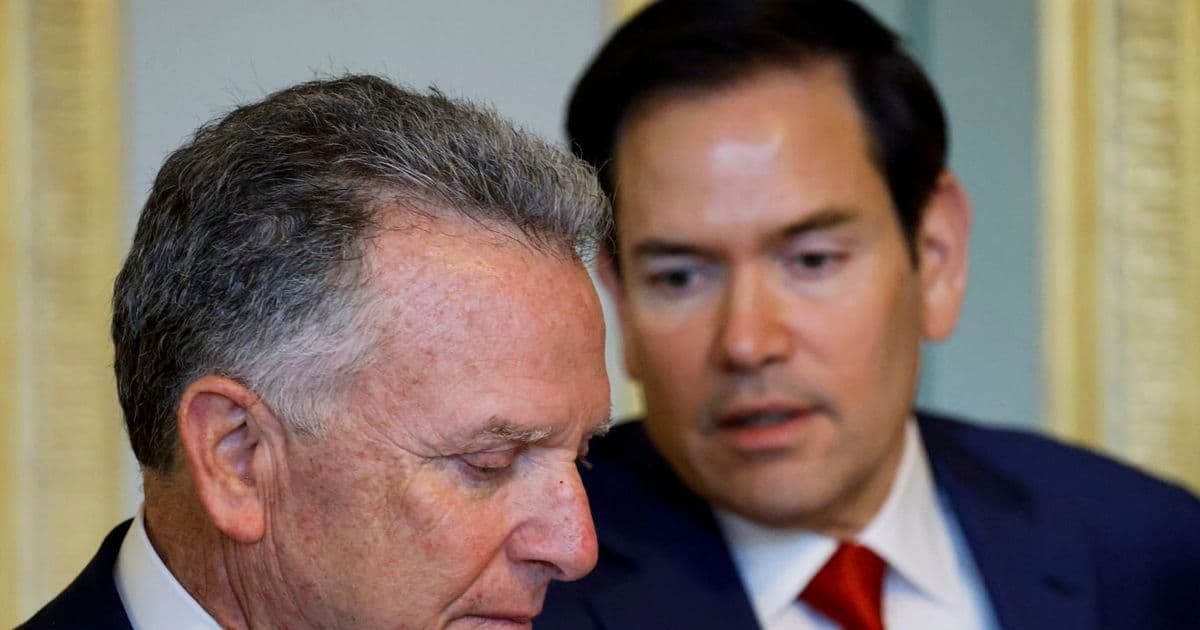
US Secretary of State Marco Rubio and special envoy Steve Witkoff held high-stakes talks with a Qatari mediator in Miami this week, signaling renewed diplomatic efforts to broker a nuclear agreement with Iran as regional tensions impact global energy markets and economic stability.
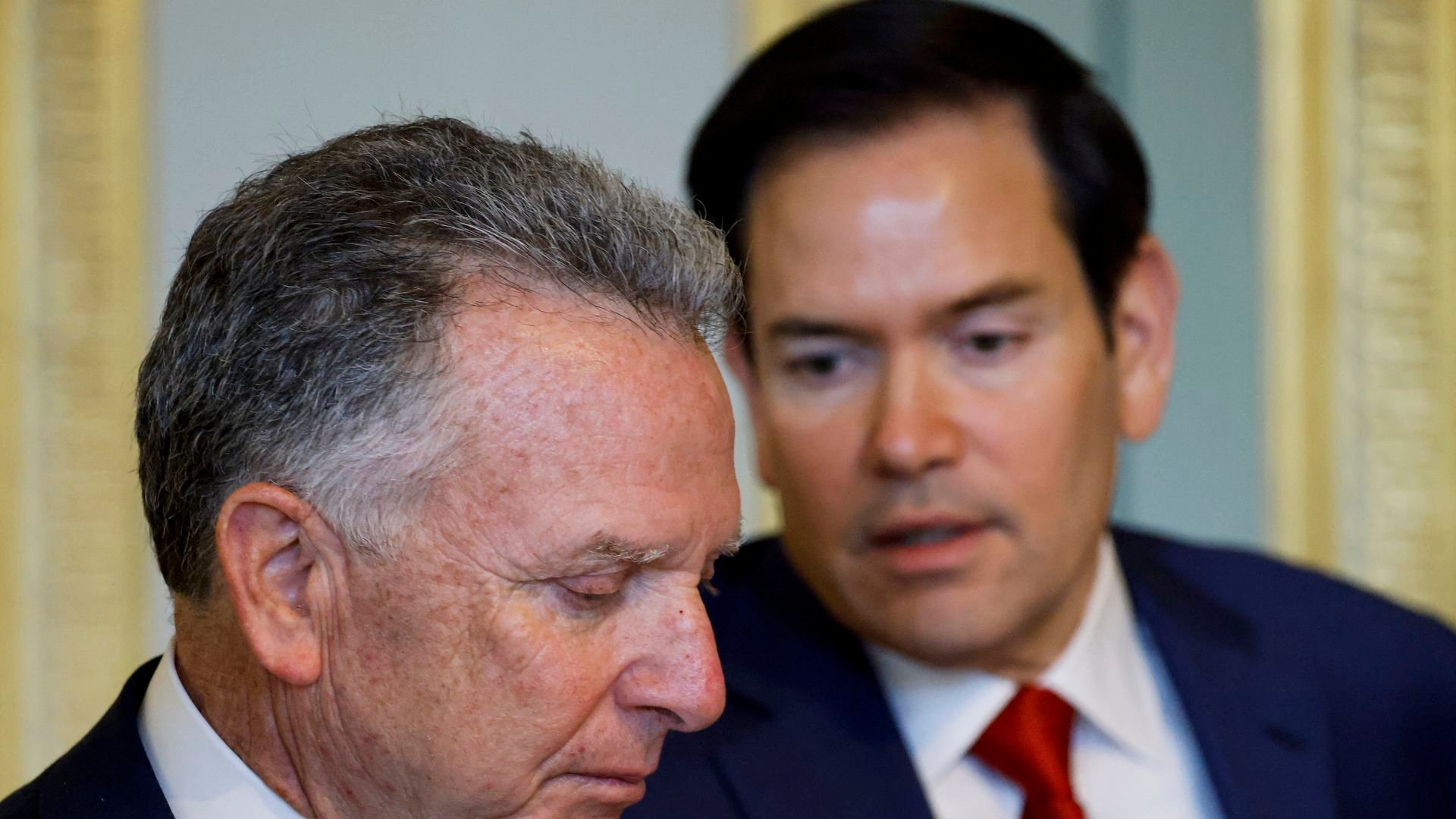
Secretary of State Marco Rubio and presidential envoy Steve Witkoff met with a Qatari mediator in Miami on Tuesday, according to sources familiar with the discussions. The meeting represents the latest diplomatic push to revive negotiations with Iran over its nuclear program, a process that carries significant implications for global energy markets and regional stability.
The Miami gathering comes amid heightened tensions in the Middle East, where attacks on commercial shipping and military installations have disrupted oil supply routes through the Strait of Hormuz. This critical waterway handles approximately 20% of global oil consumption, with an estimated 18 million barrels per day passing through it before recent disruptions.
"These discussions are part of our ongoing effort to find a diplomatic solution to the Iran nuclear issue," a State Department official confirmed, speaking on condition of anonymity. "The Qatari role has been instrumental in maintaining communication channels when direct talks have stalled."
Market analysts note that any breakthrough in negotiations could significantly impact global energy markets. Brent crude prices have fluctuated between $75 and $85 per barrel in recent weeks, partly reflecting uncertainty about diplomatic developments. A comprehensive nuclear agreement could lead to the gradual lifting of sanctions, potentially increasing Iran's oil exports by 1-1.5 million barrels per day within the first year of implementation.
The business community has expressed cautious optimism about renewed diplomatic efforts. "Clear rules regarding Iran's nuclear program would create more predictable conditions for investment in the region," said Sarah Johnson, senior director for international affairs at the U.S. Chamber of Commerce. "Companies operating in adjacent sectors like shipping, insurance, and financial services have been particularly affected by the current sanctions environment."
Strategic implications extend beyond energy markets. The talks occur as the United States seeks to balance its relationships with traditional Gulf allies while addressing security concerns about Iran's regional activities. A successful diplomatic resolution could reduce military expenditures in the region, with the Congressional Budget Office estimating that U.S. military operations in the Middle East cost approximately $81 billion annually.
"The timing of these discussions is significant," noted Dr. Michael Reynolds, a Middle East policy expert at the Brookings Institution. "With presidential elections approaching, the administration faces pressure to demonstrate concrete achievements in foreign policy. A breakthrough on Iran could potentially reshape the geopolitical landscape in the Gulf."
The Qatari mediator, whose identity was not disclosed by officials, has previously facilitated communications between Washington and Tehran during periods of heightened tension. Qatar's diplomatic standing in the region has grown in recent years, with Doha hosting both American and Iranian officials for separate talks in 2023 and early 2024.
Business leaders with interests in the region are watching developments closely. "Any normalization of relations with Iran would create substantial opportunities across multiple sectors," said James Mitchell, CEO of a Houston-based energy trading firm. "However, we need clarity on implementation timelines and verification mechanisms before making significant investment commitments."
The Miami meeting follows several rounds of indirect negotiations between the United States and Iran, mediated by European and regional partners. Previous attempts at comprehensive agreements have foundered on issues including sanctions relief, nuclear enrichment levels, and regional security guarantees.
Global financial markets have reacted cautiously to diplomatic signals. The Tehran Stock Exchange has gained approximately 12% since the beginning of the year, outperforming many regional markets, while shipping companies with exposure to Gulf routes have seen increased volatility in their stock prices.
As discussions continue, the international community remains divided on the potential benefits and risks of renewed engagement with Iran. European allies have generally supported diplomatic efforts, while some Gulf states have expressed concerns about the implications of sanctions relief without addressing Iran's regional activities.
The next phase of negotiations will likely focus on technical details regarding verification mechanisms and sequencing of sanctions relief. Business analysts suggest that companies begin preparing for various scenarios, including both gradual normalization and continued diplomatic stalemate.
"The business environment in the Middle East has always been shaped by diplomatic developments," noted a senior executive at a multinational corporation with operations in the region. "Companies with long-term interests in these markets need to maintain flexibility while monitoring the evolving policy landscape."
Comments
Please log in or register to join the discussion