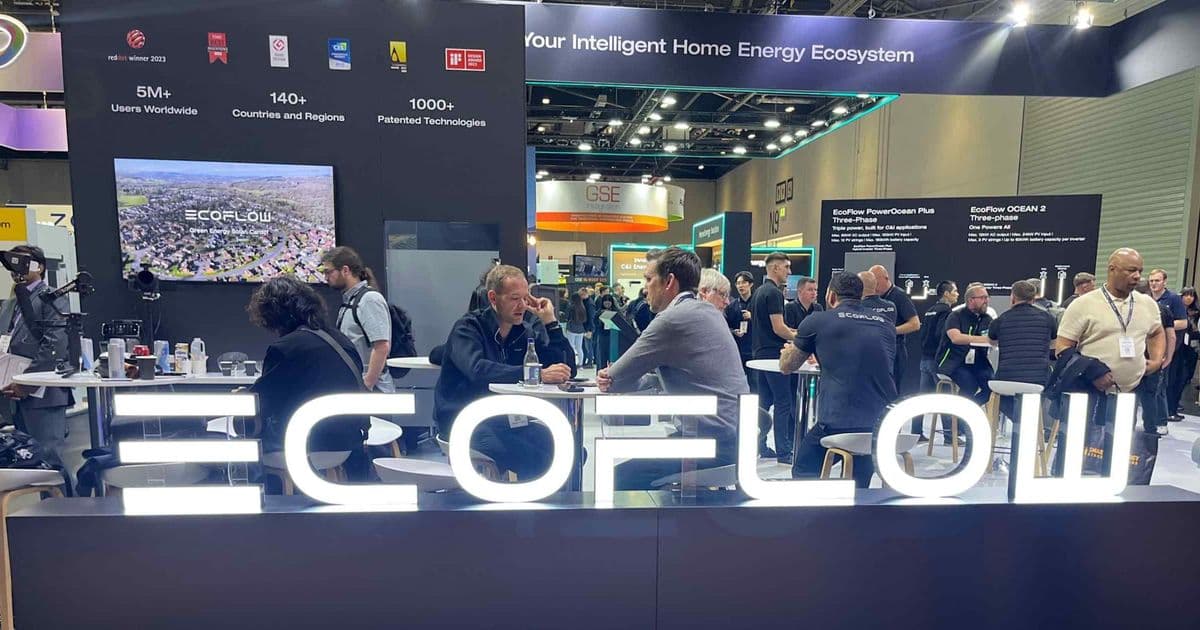
Chinese renewable‑energy firm EcoFlow plans to launch its plug‑in solar panels in major British supermarkets within months, using the retail channel to boost brand visibility and capture commercial customers as Europe’s clean‑tech market expands.
Business news
Chinese battery‑and‑solar specialist EcoFlow announced that its solar‑panel kits will be stocked in a network of UK supermarkets later this year. The move, revealed by the company’s European head at the Solar & Storage Live expo in London, is aimed at raising brand awareness among DIY homeowners and small‑business buyers while laying the groundwork for larger commercial contracts.
Market context
- European solar demand: The EU’s Renewable Energy Directive targets 32 % of electricity from renewables by 2030, driving a projected 45 % increase in installed solar capacity across the bloc, according to BloombergNEF. The United Kingdom alone expects to add 30 GW of solar by 2035, up from just over 13 GW today.
- Retail channel growth: In 2023, UK supermarkets sold roughly £1.2 bn of DIY solar kits, a 22 % year‑on‑year rise. Supermarket shelf space has become a proven distribution model for low‑cost, plug‑and‑play renewable products, as seen with brands like SunPower and Renogy.
- Competitive pressure: German and Chinese rivals such as Q‑Cells, JinkoSolar, and Trina Solar have already secured shelf space in European hypermarkets, squeezing margins for smaller players.
- Policy backdrop: The UK’s “Made in Europe” labeling rules, set to take effect in 2027, will require a higher proportion of components to be sourced within the EU. EcoFlow’s decision to partner with a domestic retailer pre‑emptively addresses potential tariff complications.
What it means
- Brand penetration through high‑traffic venues – By entering supermarkets, EcoFlow bypasses the longer sales cycles typical of B2B contracts. Shoppers can see the product alongside everyday groceries, turning impulse interest into trial purchases. Early‑stage adoption is expected to drive word‑of‑mouth referrals for the company’s larger commercial offerings, such as its modular storage systems for offices and small factories.
- Revenue diversification – Retail sales are projected to contribute up to 12 % of EcoFlow’s European revenue by 2028, according to internal forecasts shared at the expo. This supplements the company’s core battery‑pack business, which generated $820 million in FY 2025.
- Supply‑chain implications – To meet supermarket demand, EcoFlow will need to scale its panel assembly lines in Shenzhen and secure additional silicon wafer contracts. The firm has already signed a forward purchase agreement with a Taiwanese wafer supplier for 150 MW of capacity, a move that should lock in pricing ahead of expected silicon price volatility.
- Strategic positioning against regulation – By establishing a UK‑based distribution hub now, EcoFlow can more easily comply with upcoming “Made in Europe” content requirements, potentially qualifying for UK government incentives for locally‑sourced renewable equipment.
- Market signal to investors – The supermarket rollout follows EcoFlow’s recent €300 million equity raise, which was earmarked for European expansion. Analysts at Citi have upgraded the stock to a “Buy” rating, citing the retail channel as a catalyst for a 15 % earnings lift over the next two years.
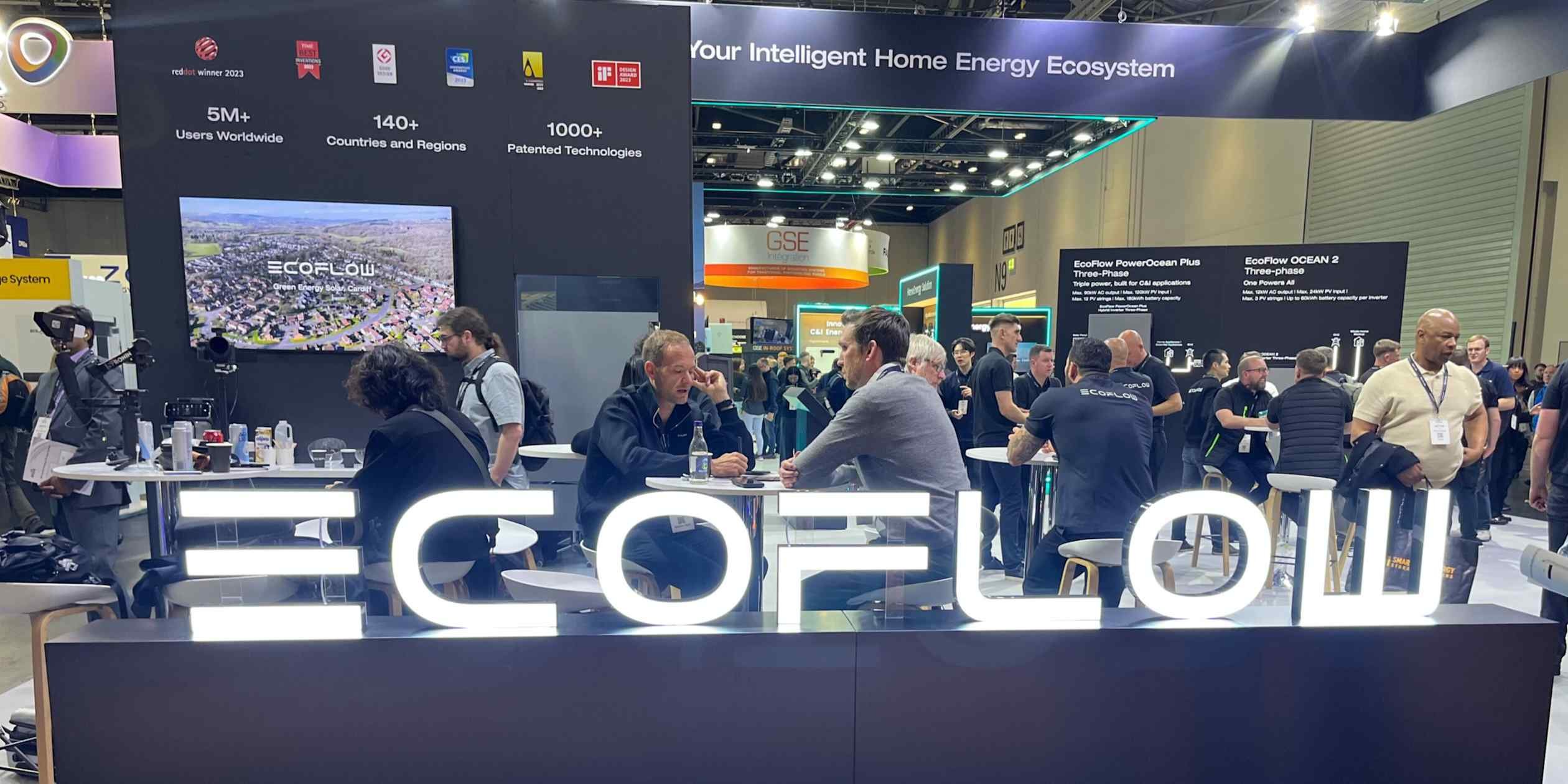
The partnership underscores a broader trend of renewable‑technology firms leveraging mass‑market retail to accelerate adoption. If EcoFlow can translate shelf presence into sustained sales, the strategy could reshape how clean‑energy hardware reaches end‑users across Europe.
Comments
Please log in or register to join the discussion