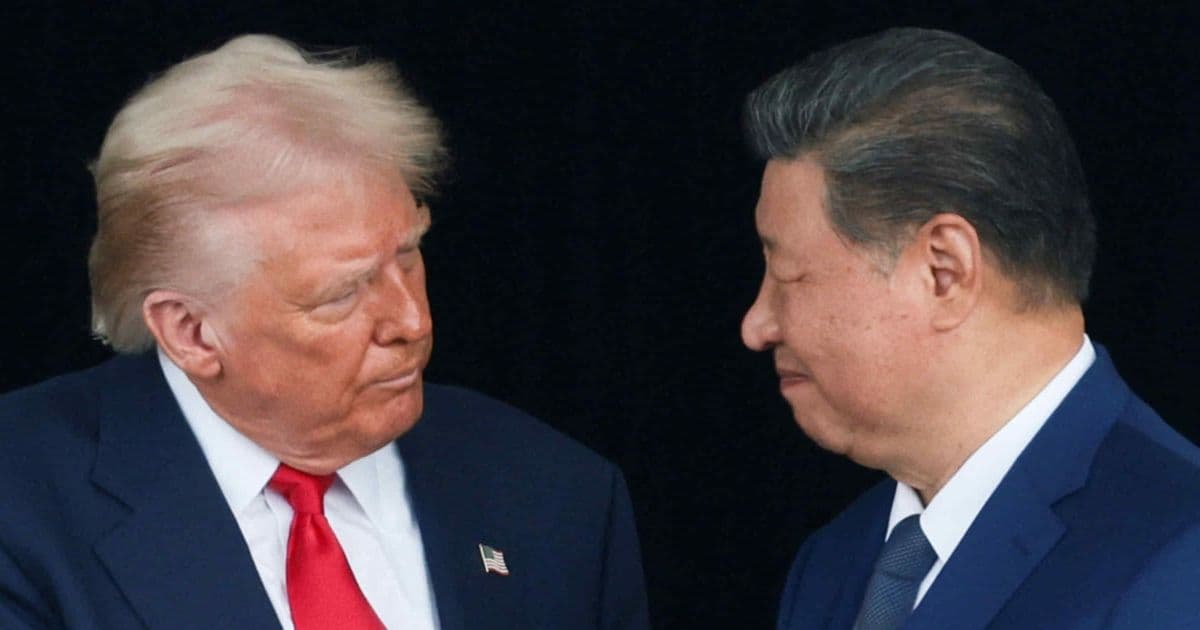
President Donald Trump will travel to Beijing after a war‑induced delay, while the Philippines moves toward impeaching Vice‑President Sara Duterte and SoftBank reports FY‑2025 results centred on artificial‑intelligence investments. The three events intersect with regional trade dynamics, political risk, and the accelerating AI race.
Trump’s Beijing summit sets tone for post‑war trade
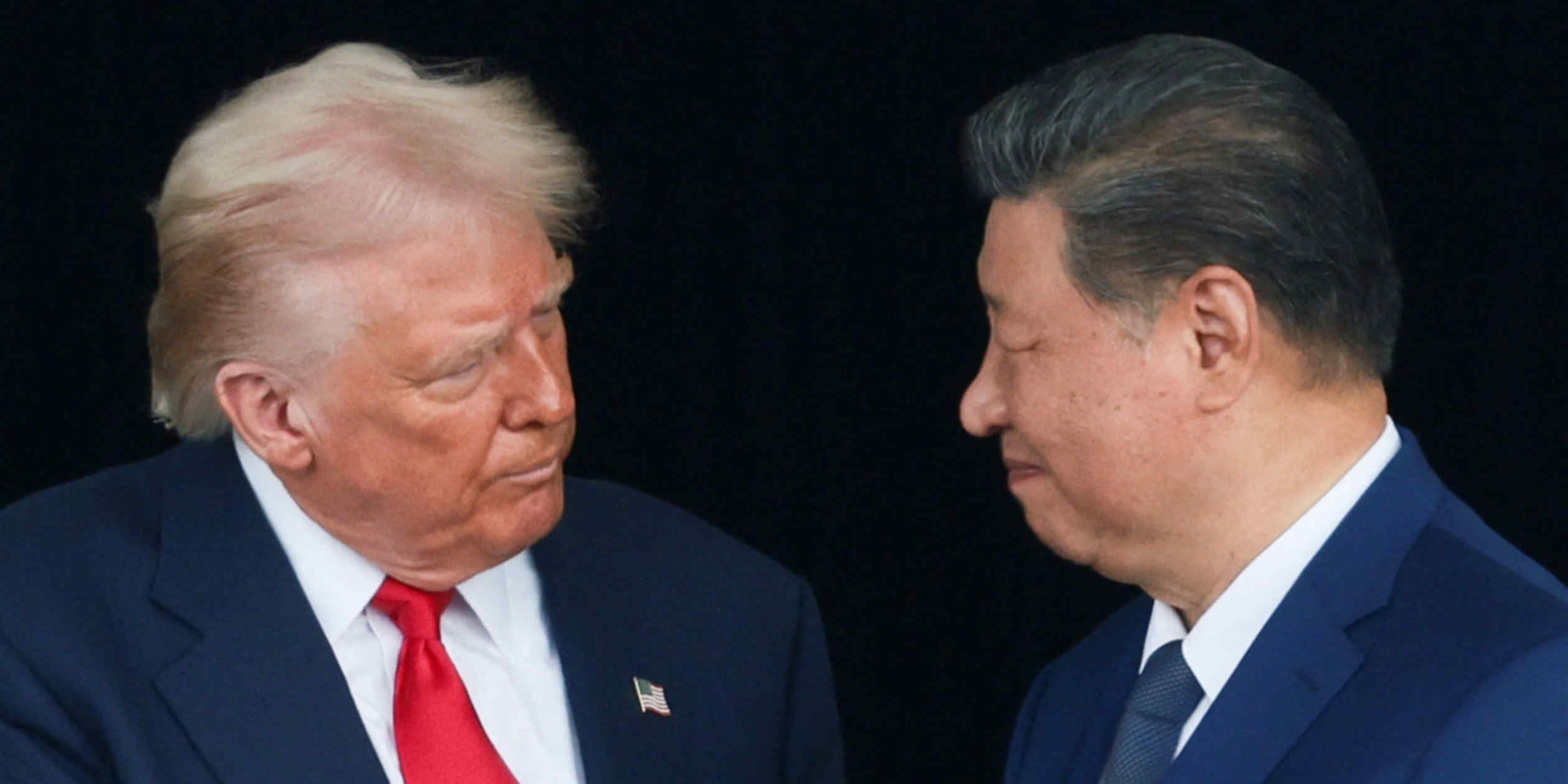
U.S. President Donald Trump is slated to land in Beijing next week for a two‑day meeting with President Xi Jinping. The trip, originally planned for March, was postponed after the February‑onset Iran‑Israel conflict disrupted travel logistics and heightened market volatility.
Financial backdrop – The U.S.–China trade truce, brokered in late 2023, has kept tariff levels flat, supporting a combined $1.2 trillion of bilateral goods trade in 2025.
Strategic agenda – Sources close to the delegation say the agenda will focus on three pillars:
- Maintaining the tariff truce – Both sides will review the 2024 tariff waiver that capped duties on $150 billion of electronics and automotive parts.
- Investment pipelines – U.S. tech firms, including several semiconductor designers, are expected to pitch joint‑venture opportunities in mainland China’s new “Advanced Manufacturing” zones.
- Geopolitical hot‑button – Taiwan will be discussed, but officials stress a “stable” approach to avoid market shock.
Market reaction – Asian equity indices rose 0.8 % on the news, while the yen steadied at 152 per dollar, down from a 160‑plus peak earlier in the month.
Philippines moves toward impeachment of Vice‑President Sara Duterte
The House of Representatives is set to vote on a motion to impeach Vice‑President Sara Duterte. The charge stems from alleged misuse of public funds linked to a 2024 infrastructure project.
- Procedural impact – If the House approves the motion, the case will shift to the Senate, where a two‑thirds majority is required for conviction.
- Economic implications – Political uncertainty could affect the Philippines’ credit rating. Fitch Ratings currently assigns a ‘BBB‑’ outlook; a prolonged impeachment could trigger a downgrade to ‘BB+’, raising borrowing costs by an estimated 75 basis points on sovereign bonds.
- Investor sentiment – The Philippine peso has slipped 1.2 % against the dollar since the impeachment rumor surfaced, widening the spread on local corporate bonds.
SoftBank FY‑2025 earnings spotlight AI strategy
SoftBank Group announced FY‑2025 results on Wednesday, reporting ¥7.3 trillion in revenue, up 4 % year‑on‑year, but a net profit of ¥420 billion, down 12 % from the previous year.
- AI investments – The group disclosed a ¥1.2 trillion stake in OpenAI‑related ventures and a pending partnership with Nvidia to co‑develop AI servers in Japan.
- Rival pressure – Anthropic, backed by a separate Japanese consortium, is gaining market share in large‑language‑model services, prompting SoftBank to accelerate its own model‑training infrastructure.
- Cash flow – Operating cash flow fell to ¥560 billion, reflecting higher R&D spend, but the balance sheet remains strong with ¥12 trillion in cash and equivalents.
Strategic takeaways – SoftBank’s pivot to AI hardware aligns with a broader shift among Japanese conglomerates to capture value from the projected $1.2 trillion AI market by 2030.
Related regional earnings and macro data
- Honda reported a ¥690 billion loss for the year, the first operating deficit since its 1957 listing, driven by a delayed EV rollout.
- Malaysia’s Q1 GDP is projected at 5.3 % YoY, down from 6.3 % in Q4 2025, while the ringgit has appreciated 3.4 % YTD, reflecting capital inflows seeking yield amid the Iran conflict.
- Chinese tech giants – Alibaba and Tencent are slated to release quarterly results later this week, with analysts expecting revenue growth of 8‑10 % driven by cloud and AI services.
What it means for investors and policymakers
- Trade stability hinges on diplomatic rhythm – Trump’s Beijing visit will be a litmus test for the durability of the tariff truce. A positive outcome could sustain the current $1.2 trillion trade flow; any friction may trigger a rapid re‑pricing of Asian equities.
- Political risk in the Philippines is material – The impeachment process could raise sovereign borrowing costs and dampen foreign direct investment, especially in infrastructure projects tied to the Duterte administration.
- AI is reshaping capital allocation – SoftBank’s heavy investment in AI hardware signals that Japanese firms are betting on a hardware‑centric AI value chain, a trend that may attract global chipmakers and create new supply‑chain linkages.
- Energy‑related geopolitical shocks remain a wildcard – The ongoing Iran‑Israel war continues to influence energy prices, affecting manufacturing margins across Southeast Asia and prompting countries like Japan and the U.S. to discuss diversified energy procurement during Treasury Secretary Scott Bessent’s Japan visit.
Bottom line – The convergence of high‑level diplomacy, domestic political upheaval, and a sector‑wide AI push creates a complex risk‑reward matrix for investors eyeing Asia. Monitoring the outcomes of Trump’s summit, the Philippine impeachment vote, and SoftBank’s AI rollout will be essential for positioning portfolios ahead of the second half of 2026.
Comments
Please log in or register to join the discussion