
In the latest Apple @ Work podcast, experts analyze Kandji's rebranding to Iru, anticipated Apple platform enhancements for enterprise management, and wishlist features for iOS/macOS device administration.
The latest episode of the Apple @ Work podcast provides critical analysis for IT administrators managing Apple ecosystems in enterprise environments. Host Bradley Chambers and guest Weldon Dodd examine three key areas impacting Apple device management: Kandji's transition to Iru, upcoming Apple platform capabilities, and desired administrative features for iOS and macOS deployment.
Kandji's Evolution to Iru: Strategic Implications Kandji's rebranding as Iru represents more than a name change—it signals a strategic expansion into broader enterprise identity and access management. The discussion highlights how this evolution positions Iru to compete more directly with established players like Jamf and Microsoft Intune, particularly in zero-trust security architectures. For administrators, this signals potential shifts in third-party tooling options for Apple device management stacks, especially concerning automated compliance enforcement and conditional access policies.
Anticipated Apple Platform Updates The conversation shifts to expected enhancements in Apple's 2026 platform updates:
- Mobile Device Management (MDM) Protocol Improvements: Predictions focus on expanded declarative device management capabilities, particularly for macOS, enabling more granular policy enforcement without continuous device polling
- Security Model Evolution: Speculation about deeper integration between hardware security features (Secure Enclave, Touch ID/Face ID) and enterprise authentication workflows
- Cross-Platform Consistency: Hopes for unified management APIs across iOS, macOS, and visionOS to simplify policy creation
- Deployment Tooling: Requests for enhanced automated enrollment options, especially for BYOD scenarios
The IT Admin Wishlist The podcast dedicates significant time to "dream features" for Apple enterprise management:
- Network Configuration Revolution: Simplified enterprise Wi-Fi provisioning with dynamic policy application based on location/security context
- App Management Overhaul: Batch app deployment/updates with dependency resolution and version pinning capabilities
- Security Blueprinting: Template-driven security baselines that automatically adapt to device role (executive vs. kiosk vs. field worker)
- Unified Logging: Cross-device diagnostic framework with standardized event codes for troubleshooting
- Conditional Access Integration: Native integration between MDM controls and cloud identity providers like Azure AD/Okta
Practical Migration Considerations For teams preparing for these changes:
- Audit existing MDM configurations against Apple's declarative management reference architecture
- Evaluate third-party tools against Apple's evolving native capabilities to avoid redundancy
- Develop testing protocols for macOS Sequoia and iOS 18 beta releases focusing on management API changes
- Establish cross-platform policy templates using tools like Apple Configurator
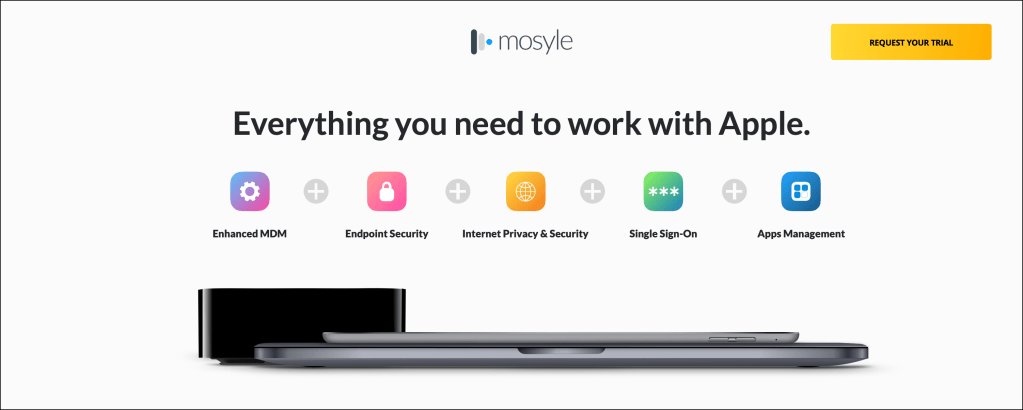
The episode underscores that while Apple continues enhancing enterprise capabilities, administrators should balance native features with specialized tools like sponsor Mosyle's Apple Unified Platform, which integrates deployment, management, and security in a single console.
Listen to the full discussion on Apple Podcasts or Spotify.
Comments
Please log in or register to join the discussion