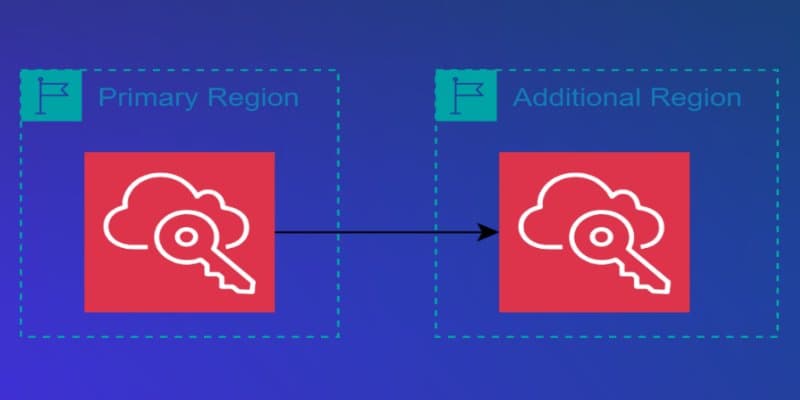
AWS IAM Identity Center now supports multi-Region replication, enabling organizations to replicate workforce identities and applications across AWS Regions for improved resiliency, compliance, and user experience.
AWS has announced the general availability of multi-Region support for IAM Identity Center, a significant enhancement that enables organizations to replicate workforce identities, permission sets, and managed applications across multiple AWS Regions. This new capability addresses critical business requirements around data residency, user experience optimization, and disaster recovery while maintaining centralized management control.
Why Multi-Region Support Matters
The ability to replicate IAM Identity Center across Regions represents a strategic shift in how organizations can architect their identity and access management infrastructure. Traditionally, IAM Identity Center operated from a single primary Region, which could create challenges for organizations with global operations or strict data residency requirements.
With multi-Region replication, organizations can now deploy AWS managed applications closer to their users and datasets, significantly improving performance and meeting regulatory compliance needs. This is particularly valuable for enterprises operating across multiple geographic regions where data sovereignty laws require certain information to remain within specific boundaries.
How It Works
The implementation follows a hub-and-spoke model where the primary Region remains the central management point, while additional Regions serve as active endpoints for user access. When you replicate to an additional Region, your workforce gains an active AWS access portal endpoint there, providing redundancy in case of primary Region disruptions.
Key operational aspects include:
- Centralized Management: All configuration changes, including workforce identities and permission sets, are managed from the primary Region
- Local Access: Users in additional Regions access replicated workforce identities locally, reducing latency and improving reliability
- Active Failover: In the unlikely event of primary Region disruption, users can continue accessing AWS accounts through the replicated Region's portal
- Read-Only Operations: Additional Regions support limited write operations, primarily for application management and session revocation
Implementation Requirements
Before enabling multi-Region support, organizations must address several prerequisites:
AWS KMS Key Configuration
The foundation of this feature relies on multi-Region AWS KMS keys. Organizations must first replicate their customer-managed KMS keys to the target Region and configure appropriate permissions. Multi-Region keys provide consistent key material across Regions while maintaining independent infrastructure in each location.
Identity Provider Integration
Since IAM Identity Center supports SAML single sign-on with external identity providers like Microsoft Entra ID and Okta, organizations need to configure their IdPs to recognize the additional Region's Assertion Consumer Service (ACS) URL. This typically involves adding the new ACS URL to the IdP configuration and creating bookmark applications that direct users to the appropriate regional access portal.
Application Deployment Considerations
Organizations planning to deploy managed applications in additional Regions must verify that their specific applications support multi-Region deployment. The replication process duration depends on the size of your Identity Center instance, so planning for potential downtime during initial setup is advisable.
Business Impact and Use Cases
This enhancement addresses several critical business scenarios:
Data Residency Compliance
Organizations subject to data residency regulations can now deploy applications and store data in specific Regions while maintaining consistent identity management across their AWS footprint. This eliminates the need for separate identity management systems per Region.
Performance Optimization
By deploying applications closer to end users, organizations can significantly reduce latency and improve the overall user experience. This is particularly important for applications with real-time requirements or those serving users across wide geographic areas.
Disaster Recovery
The active failover capability provides an additional layer of business continuity. While IAM Identity Center itself is highly available, having replicated access points ensures that temporary disruptions don't impact user productivity.
Global Operations
Multinational organizations can provide consistent access experiences to users regardless of their location, while still adhering to local data handling requirements.
Current Limitations and Considerations
Several important limitations exist with the initial release:
- Only organization instances of IAM Identity Center connected to external IdPs are supported
- Account instances, Microsoft Active Directory, and IAM Identity Center directory identity sources are not yet supported
- The primary Region remains the only location for most configuration changes
- Standard AWS KMS charges apply for storing and using customer-managed keys
Getting Started
The feature is available in all 17 enabled-by-default commercial AWS Regions at no additional cost beyond standard KMS charges. Organizations can enable multi-Region support through the IAM Identity Center console in their primary Region by navigating to Settings and selecting the Management tab.
The process involves confirming your encryption key is a multi-Region customer-managed KMS key, adding the desired additional Regions, and completing the initial replication. Once replication is complete, users can access their AWS accounts and applications through the new regional endpoints.
Looking Ahead
This release represents AWS's continued investment in making identity and access management more flexible and resilient. As organizations increasingly operate across multiple Regions and need to comply with diverse regulatory requirements, features like multi-Region IAM Identity Center become essential components of a robust cloud strategy.
For organizations already using IAM Identity Center with external IdPs, this enhancement provides a straightforward path to improving their identity infrastructure's resilience and compliance posture without requiring significant architectural changes.
To learn more about implementation details, supported applications, and best practices, organizations should consult the IAM Identity Center User Guide and engage with AWS support resources as needed.
Comments
Please log in or register to join the discussion