SpaceX acquires xAI to create orbital data centers, planning to launch a million tons of satellites annually to achieve 1TW/year of space-based AI compute capacity, though technical challenges remain.
SpaceX has officially announced its acquisition of xAI, marking a bold step toward Elon Musk's vision of artificial intelligence infrastructure in space. The merger aims to vertically integrate operations between the two companies, with Musk positioning orbital data centers as the only viable solution for scaling AI compute capacity beyond Earth's limitations.
The Terrestrial Data Center Crisis
According to SpaceX's announcement, the current trajectory of AI development is unsustainable on Earth. Traditional data centers require immense power and cooling infrastructure that simply cannot scale to meet future AI demands. "Global electricity demand for AI simply cannot be met with terrestrial solutions, even in the near term, without imposing hardship on communities and the environment," the company stated.
The math behind this claim is staggering. To harness even a millionth of our Sun's energy output would require over a million times more energy than our civilization currently consumes. This fundamental limitation drives Musk's space-based solution.
The Million-Ton Satellite Plan
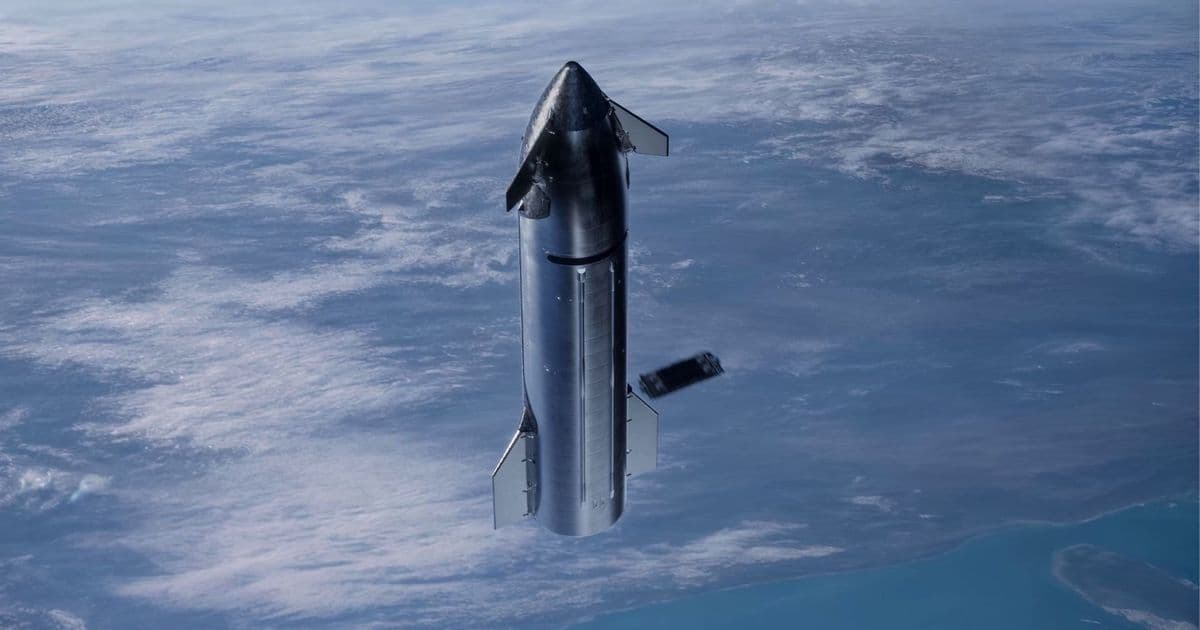
SpaceX has already filed with the FCC outlining plans to launch a million satellites into orbit. These orbital data centers would operate in space, directly harnessing solar power without interference from Earth's atmosphere or rotation. The company claims this approach would allow for more efficient operation compared to terrestrial infrastructure.
Musk's projections are ambitious: "Launching a million tons per year of satellites generating 100 kW of compute power per ton would add 100 gigawatts of AI compute capacity annually, with no ongoing operational or maintenance needs." He even mentioned the possibility of scaling to 1 terawatt per year, which would make this orbital data center the most powerful AI compute facility operated by any tech company.
Economic Viability Through Starship
Despite the enormous costs associated with satellite launches, Musk argues that the efficiency gains would make space-based data centers "the lowest cost way to generate AI compute." This economic argument hinges on SpaceX's advancements with the reusable Starship rocket, which dramatically reduces launch costs compared to traditional expendable rockets.
The company plans to launch newer, much larger V3 Starlink satellites this year, leveraging the same Starship platform that could eventually support a lunar manufacturing base. Musk envisions using this infrastructure to launch up to 1,000 terawatts per year into deep space, potentially helping humanity achieve Kardashev Type II civilization status by harnessing a significant fraction of the Sun's energy output.
Technical Challenges and Skepticism
However, Nvidia CEO Jensen Huang has expressed doubts about the project's feasibility. Several significant technical hurdles must be overcome:
Cosmic Radiation Protection: Advanced AI chips are highly susceptible to cosmic radiation, which can corrupt data and damage circuits. Unlike Earth-based systems protected by our planet's magnetic field, space-based hardware would need robust radiation shielding or error-correction mechanisms.
Cooling in Vacuum: Traditional cooling solutions that work on Earth's surface aren't applicable in space. Instead, systems would need to rely on the vacuum of space as an "infinite heatsink," requiring innovative thermal management approaches that can efficiently radiate heat away from densely packed computing hardware.
Kessler Syndrome Risk: Perhaps the most concerning challenge is the risk of creating a cascading debris field. Placing so many satellites in Earth orbit increases the probability of collisions, which could generate enough space junk to trigger Kessler Syndrome. This scenario would create a debris field dense enough to make launching anything—from satellites to crewed deep-space missions—virtually impossible for centuries.
The Path Forward
The acquisition represents more than just a business transaction; it's a fundamental reimagining of how humanity will scale its computational infrastructure. While terrestrial data centers will likely continue to play a role in the near term, SpaceX's vision suggests a future where the majority of AI compute capacity operates beyond Earth's atmosphere.
Success would require solving complex engineering challenges in radiation hardening, thermal management, and orbital debris mitigation. The project also depends on continued cost reductions in space launch capabilities and the development of space-qualified AI hardware that can operate reliably in the harsh environment of low Earth orbit.
Whether this ambitious plan materializes or remains a visionary concept, it highlights the growing recognition that Earth's resources may be insufficient to support the exponential growth of artificial intelligence. As AI models continue to increase in size and complexity, the search for alternative computing infrastructure—whether in space or through other innovative approaches—will likely intensify in the coming years.
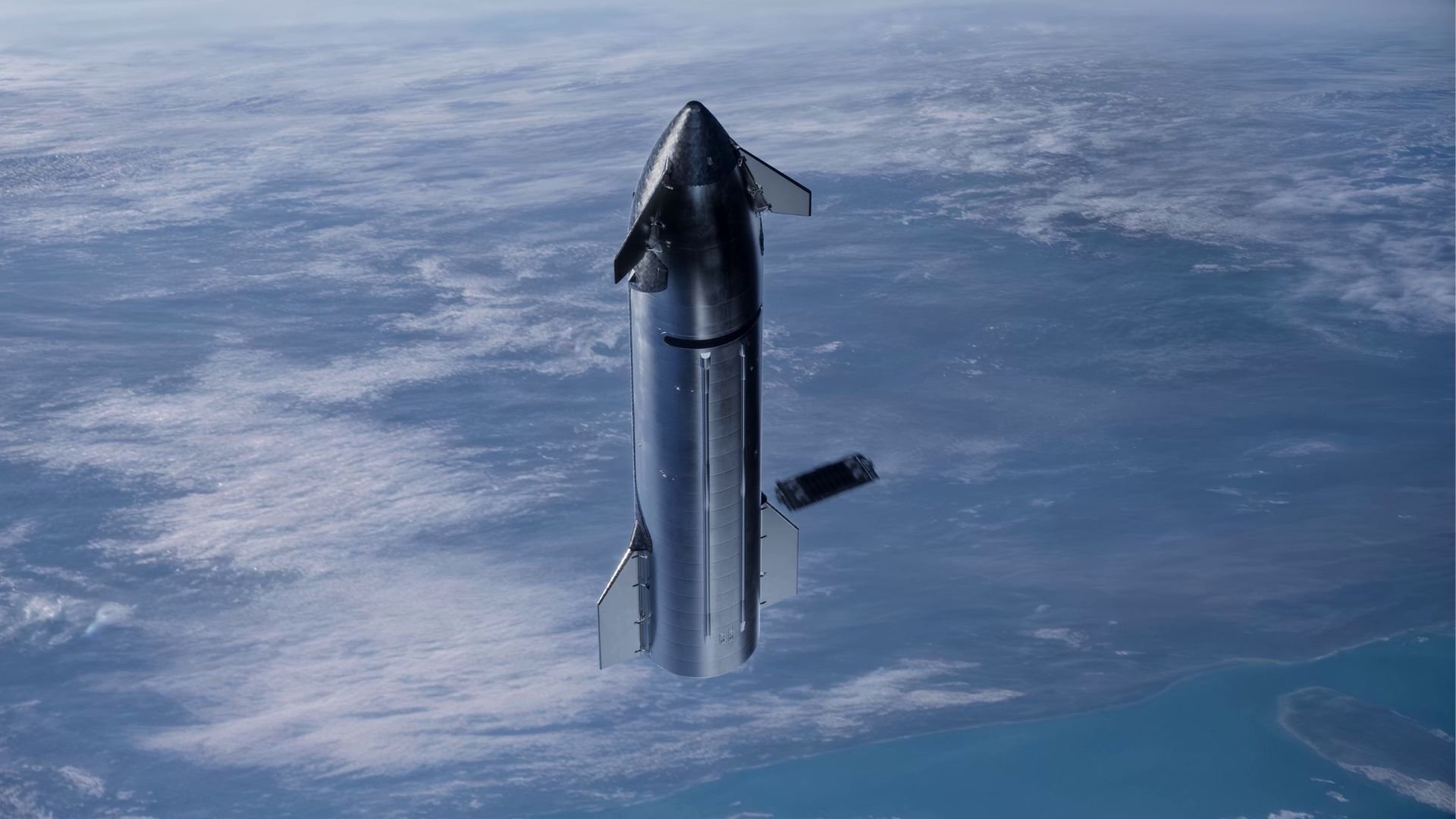
The scale of this undertaking cannot be overstated. A million tons of satellites annually represents a launch cadence orders of magnitude beyond current capabilities. If successful, SpaceX's orbital data centers could redefine the boundaries of what's possible in artificial intelligence, potentially enabling capabilities that would be impossible to achieve on Earth alone.

Comments
Please log in or register to join the discussion