
The Department of Justice and a coalition of states plan to appeal a September 2025 ruling in the Google Search antitrust case, where the court rejected calls for Google to sell Chrome, marking a significant escalation in the government's efforts to rein in Big Tech's market power.
The Department of Justice and a coalition of states have announced plans to appeal a September 2025 ruling in the landmark Google Search antitrust case, where a federal judge rejected the government's request to force Google to sell its Chrome browser. This appeal represents a significant escalation in the government's ongoing efforts to address what regulators view as anti-competitive practices by Big Tech companies.
The original ruling, delivered by U.S. District Judge Amit Mehta, found that Google had indeed maintained an illegal monopoly in the search market through exclusive deals and anti-competitive practices. However, the court stopped short of ordering the most drastic remedy sought by the government: the forced divestiture of Chrome. Instead, Judge Mehta imposed more modest restrictions on Google's business practices, including limitations on exclusive agreements and requirements for greater transparency in search results.
The DOJ's decision to appeal centers on what it views as insufficient remedies that fail to address the root causes of Google's market dominance. Government attorneys argue that without structural changes to Google's business, including potentially separating Chrome from the broader company, the search giant will continue to leverage its market power to maintain its monopoly position.
This appeal comes amid growing bipartisan consensus in Washington that existing antitrust frameworks need to be updated to address the unique challenges posed by digital platforms. The case against Google has been closely watched as a potential precedent for how regulators might approach other tech giants like Amazon, Apple, and Meta.
Industry observers note that the appeal could have far-reaching implications for how tech companies structure their products and services. Google has argued that Chrome is integral to its ability to compete in the AI race and that separating it would harm innovation and consumer choice. The company has also emphasized that Chrome operates on open web standards and that users have numerous alternatives available.
The states joining the appeal, led by Colorado, have expressed frustration with what they see as a missed opportunity to address the concentration of power in the digital economy. They argue that Google's control over both the dominant search engine and the most popular browser creates a feedback loop that reinforces its market position and limits competition.
Legal experts suggest the appeal could take years to resolve, potentially extending beyond the current administration. The case will likely be heard by the D.C. Circuit Court of Appeals, which has jurisdiction over federal agencies and has shown increasing skepticism of unchecked corporate power in recent years.
Meanwhile, Google continues to face scrutiny on multiple fronts. The company is separately defending against antitrust challenges related to its digital advertising business, and European regulators have imposed billions in fines for various competition violations. The outcome of this appeal could influence how other jurisdictions approach similar cases against tech giants.
The timing of the appeal is particularly noteworthy given the current political climate. With growing concerns about data privacy, market concentration, and the power of algorithms to shape public discourse, the case has become a focal point for broader debates about the role of technology in society.
As the appeal moves forward, both sides are expected to present extensive economic analyses and market data to support their positions. The government will likely emphasize Google's market share and the barriers to entry for potential competitors, while Google will focus on the benefits its integrated ecosystem provides to users and the competitive dynamics of the broader tech industry.
This development underscores the ongoing tension between fostering innovation and preventing monopolistic practices in the digital age. The outcome could reshape not only Google's business but also establish important precedents for how antitrust law applies to platform companies in the 21st century.
For now, Google's Chrome browser remains under the company's control, and the search giant continues to roll out new AI-powered features and services. However, the shadow of potential regulatory intervention looms large over the company's strategic planning and product development decisions.
The appeal also highlights the challenges regulators face in keeping pace with rapidly evolving technology markets. What constitutes anti-competitive behavior in the context of AI, cloud computing, and other emerging technologies remains an open question that courts and policymakers will need to grapple with in the coming years.
As this case progresses through the appeals process, it will continue to draw attention from competitors, investors, and policymakers alike. The stakes are high not just for Google, but for the entire tech industry and the broader economy that increasingly depends on digital platforms and services.
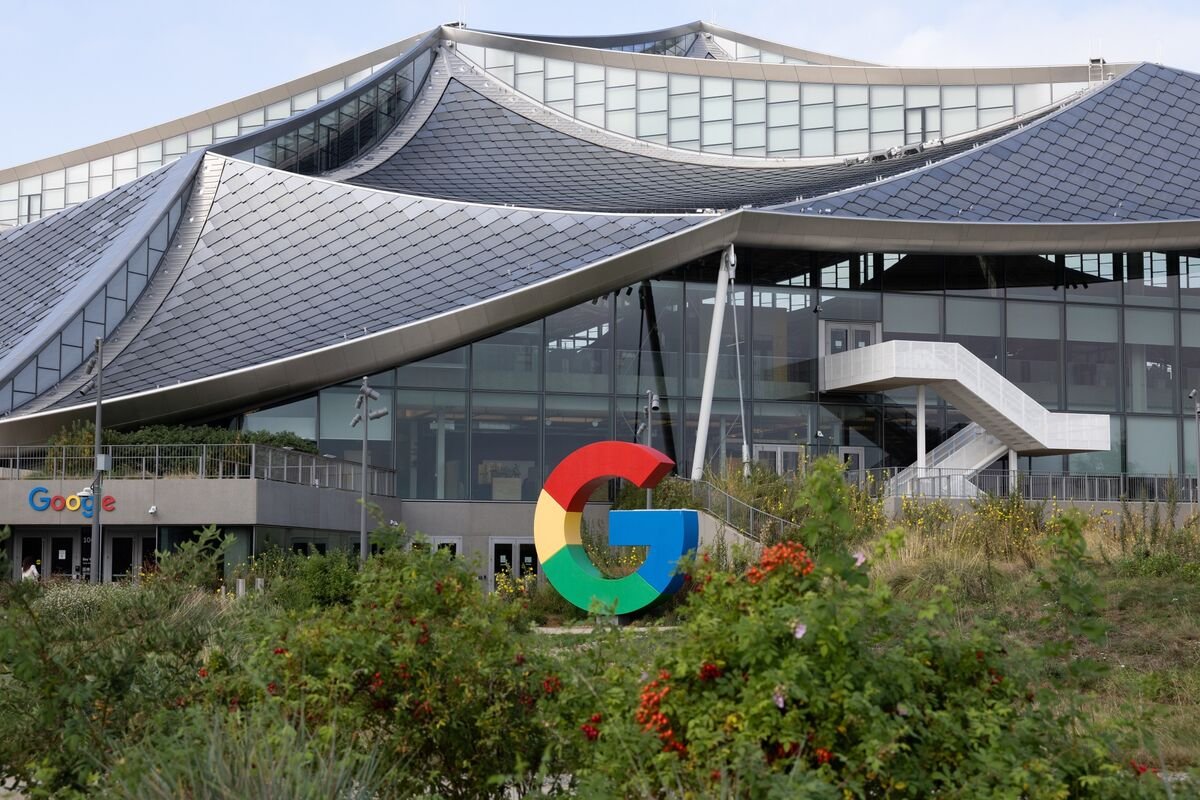
The government's appeal represents a determination to pursue more aggressive remedies in tech antitrust cases, potentially setting the stage for a new era of regulatory intervention in the digital economy. Whether this approach will ultimately succeed in promoting competition and innovation remains to be seen, but the debate over the proper balance between corporate power and public interest in the tech sector is far from over.
Comments
Please log in or register to join the discussion