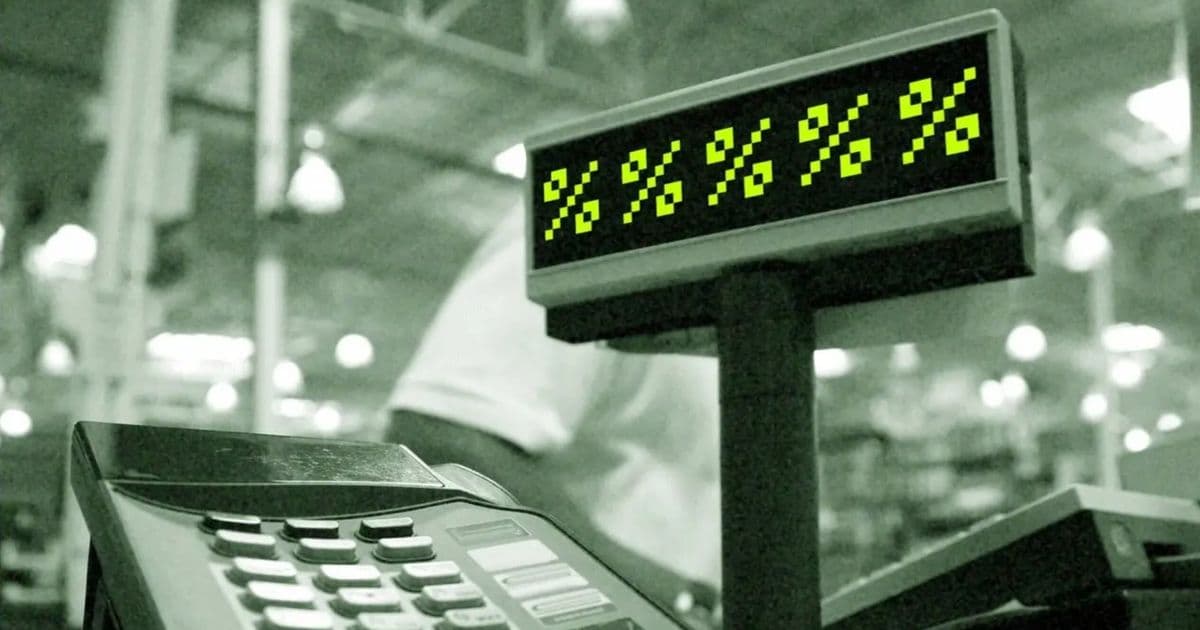
New tariffs imposed by the Trump administration could lead to price increases for consumers as companies pass along higher costs in 2026.
The Trump administration's recent tariffs on imported goods are expected to have a significant impact on consumer prices, with companies potentially starting to raise prices as early as 2026.
Background on the Tariffs
The tariffs, which were implemented as part of the administration's trade policy, target a wide range of imported goods from various countries. The stated goal was to protect domestic industries and reduce the trade deficit, but economists have warned that such measures often lead to higher prices for consumers.
Impact on Businesses and Consumers
Companies that rely on imported materials or finished goods will likely face increased costs due to the tariffs. Many businesses may choose to pass these additional expenses on to consumers in the form of higher prices.
According to economic analysts, the full impact of the tariffs may not be felt immediately, as companies may absorb some of the costs initially to remain competitive. However, as the tariffs remain in place and potentially increase, price hikes become more likely.
Timeline for Price Increases
While some price adjustments may occur sooner, many experts predict that widespread price increases could begin in 2026. This timeline allows businesses time to assess the full impact of the tariffs and make strategic decisions about pricing.
Sectors Most Affected
Certain industries are expected to be more heavily impacted by the tariffs than others. These include:
- Manufacturing sectors that rely on imported components
- Retail businesses that sell imported goods
- Technology companies that source materials internationally
- Automotive industry
Consumer Response
Consumer advocacy groups have expressed concern about the potential for higher prices, particularly for everyday goods. Some organizations are calling for exemptions for certain products or industries to help mitigate the impact on consumers.
Economic Implications
The tariffs could have broader economic implications beyond just consumer prices. Some economists warn that the measures could lead to reduced trade, slower economic growth, and potential job losses in certain sectors.
Government Response
The administration has defended the tariffs as necessary for protecting American industries and jobs. However, there have been discussions about potential adjustments or exemptions for certain products or trading partners.
Looking Ahead
As 2026 approaches, consumers and businesses alike will be watching closely to see how companies respond to the tariffs. The extent and timing of price increases will likely depend on various factors, including the duration of the tariffs, the ability of companies to find alternative suppliers, and overall market conditions.
For now, consumers may want to prepare for the possibility of higher prices on a range of goods in the coming years, particularly if the tariffs remain in place and potentially expand to cover additional products or trading partners.
Comments
Please log in or register to join the discussion