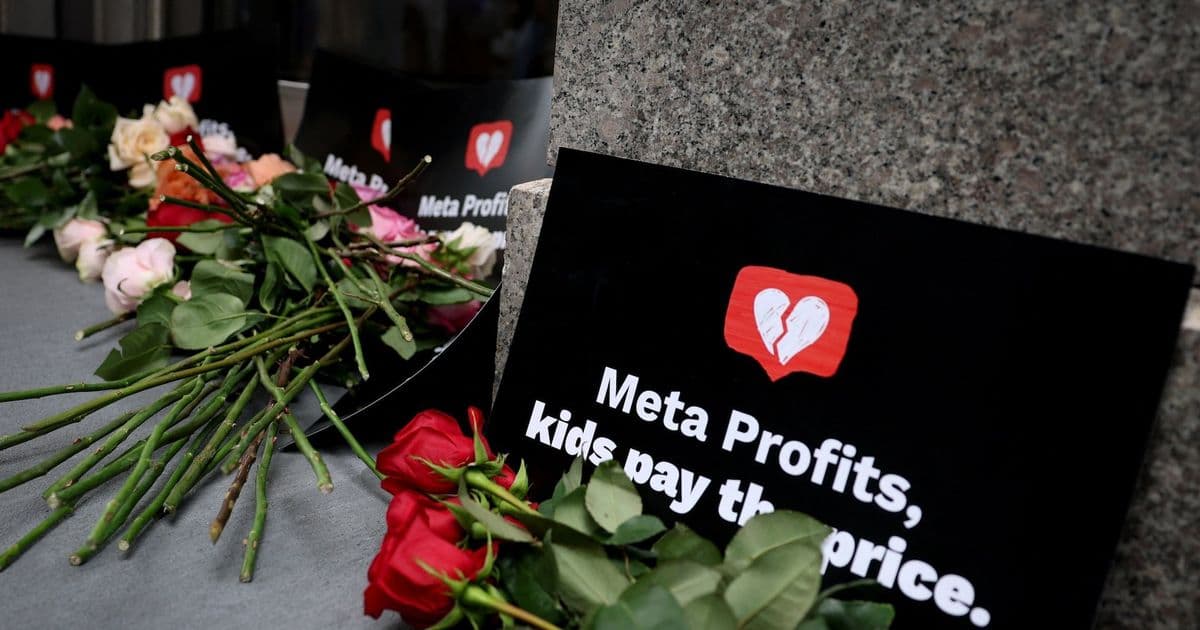
New Mexico has filed a lawsuit against Meta Platforms, asking a judge to declare the company a public nuisance and order it to pay $3.7 billion while overhauling its apps to better protect children from harm. The legal action represents one of the most aggressive attempts yet to hold social media companies accountable for the negative impacts of their platforms on young users.
New Mexico has taken legal action against Meta Platforms, seeking to have the company declared a public nuisance and ordered to pay $3.7 billion while implementing significant changes to its social media platforms to protect children. The lawsuit, filed on Monday, May 4, 2026, marks a significant escalation in efforts to hold social media companies accountable for the potential harms associated with their platforms.
The state's legal team, led by Attorney General Diana Novak Jones, argues that Meta's platforms—including Facebook, Instagram, and WhatsApp—create a public nuisance by contributing to a range of harms affecting children, including mental health issues, addiction, and exposure to inappropriate content. The lawsuit seeks substantial financial penalties and court-ordered changes to how Meta designs and operates its platforms.
"This is about protecting New Mexico's children from the documented harms caused by these platforms," said Novak Jones in a statement. "We're asking the court to recognize that when companies design products that knowingly harm young users, they create a public nuisance that requires significant remedies."
The legal action centers on several key allegations:
- That Meta intentionally designs its platforms to be addictive, particularly for young users
- That the company fails to adequately protect children from harmful content and interactions
- That Meta's algorithms promote harmful content to maximize engagement
- That the company collects excessive data from minors without adequate safeguards
The $3.7 billion figure represents what the state calculates as the cost to address the harms caused by Meta's platforms in New Mexico, including increased mental health services, educational programs, and law enforcement resources.
If successful, the lawsuit could set a powerful precedent for other states and potentially lead to federal action. It follows similar legal actions in other jurisdictions, though this case stands out for its ambitious scope and the specific request to declare Meta a public nuisance—a legal theory typically applied to environmental or community disturbances.
The public nuisance claim is particularly significant because it could establish liability based on the collective harm caused by Meta's platforms, rather than requiring plaintiffs to prove individual harm to each child. This approach could make it easier for the state to secure substantial remedies.
Meta has not yet responded to the lawsuit, but the company has previously defended its platforms as beneficial tools for connection and communication. In previous statements, Meta has pointed to its parental controls, age verification efforts, and content moderation policies as evidence of its commitment to protecting young users.
Legal experts note that the case faces significant challenges. Public nuisance claims against technology companies are relatively new, and courts have been cautious about extending this traditional legal theory to digital platforms. Additionally, Meta would likely argue that its platforms are not inherently harmful and that parents and users have the ability to set their own boundaries and usage limits.
The lawsuit also comes amid growing regulatory scrutiny of social media companies. Federal legislation aimed at protecting children online has been debated in Congress, though comprehensive action has been elusive. Several states have passed their own laws addressing social media and child safety, but enforcement has been inconsistent.
The timing of the lawsuit is notable, coming as Meta continues to face pressure over its handling of young users. The company has previously faced criticism for its initial response to internal research known as "The Facebook Papers," which suggested the company was aware of potential harms but did little to address them.
If the court grants the state's request for a public nuisance declaration, it could potentially order Meta to implement sweeping changes to its platforms, including:
- Restricting features known to be addictive for young users
- Implementing stronger age verification systems
- Limiting data collection from minors
- Changing algorithms to prioritize well-being over engagement
- Providing more transparent reporting on platform usage and safety measures
The case is being closely watched by tech industry observers, civil liberties advocates, and child safety groups. A victory for New Mexico could inspire similar actions in other states and potentially lead to a more aggressive regulatory approach to social media platforms.
The outcome of this case may have far-reaching implications for how social media companies operate and how they are held accountable for the impacts of their products on society's most vulnerable users. As digital platforms become increasingly integrated into daily life, legal battles like this one are likely to become more common as society grapples with how to balance innovation with protection.
For now, the case represents a significant test of whether legal systems can effectively address the complex challenges posed by social media platforms and their effects on children in the digital age.
Comments
Please log in or register to join the discussion