ZDNET's seasoned smart home reviewer cuts through the hype to reveal the five devices that deliver genuine technical reliability and innovation, from dual-camera doorbells with local AI to Thread-enabled bulbs and security-first smart locks, providing a blueprint for robust home automation.
For developers and engineers building or integrating smart home ecosystems, the allure often lies in the promise of seamless automation and connectivity. Yet, the reality is a landscape cluttered with devices prone to flaky connections, hidden subscription fees, and security concerns. After rigorous testing of dozens of gadgets, ZDNET's Maria Diaz has identified a core set of five devices that transcend gimmicks, offering genuine technical merit and reliability that earns a permanent place in a sophisticated setup.
 Main article image: Eufy Security E340 Doorbell (Credit: Maria Diaz/ZDNET)
1. Eufy Security E340: The Local Processing Powerhouse
"The reasons I love it so much include the dual cameras, 2K resolution, Delivery Guard... and the fact that it doesn't require you to pay monthly fees." This video doorbell stands out technically with its dual-camera design (front-facing and downward-facing for packages), leveraging 8GB of built-in storage for roughly two months of footage – a significant advantage for privacy-conscious users avoiding cloud dependencies. Its optional integration with the HomeBase S380 unlocks local AI processing and expanded storage, moving intelligence to the edge. Compatibility with Echo devices as chimes demonstrates flexible integration potential.
2. Aqara T2 Smart Bulb: Protocol Agnosticism Done Right Supporting both Zigbee and Thread, and achieving Matter compatibility via an Aqara hub, this bulb exemplifies the future of interoperable smart home standards. Diaz highlights its technical reliability: "It never randomly disconnects on me... [it's] dependable." For developers designing systems, its support for multiple protocols (1,100 lumens, 2,000K-9,000K color temperature range) makes it a versatile and robust building block resistant to network congestion issues common with Wi-Fi-only bulbs.
3. Kasa Smart Plug Ultra Mini 15A: Minimal Footprint, Maximum Utility While seemingly simple, this plug's technical win is its ultra-compact design, solving the common problem of outlet overcrowding. Its affordability ($10 single, $30 4-pack) and straightforward Wi-Fi integration (no hub required) make it an accessible yet reliable entry point for energy monitoring and automation of legacy devices, like lamps or appliances, proving that utility doesn't necessitate complexity.
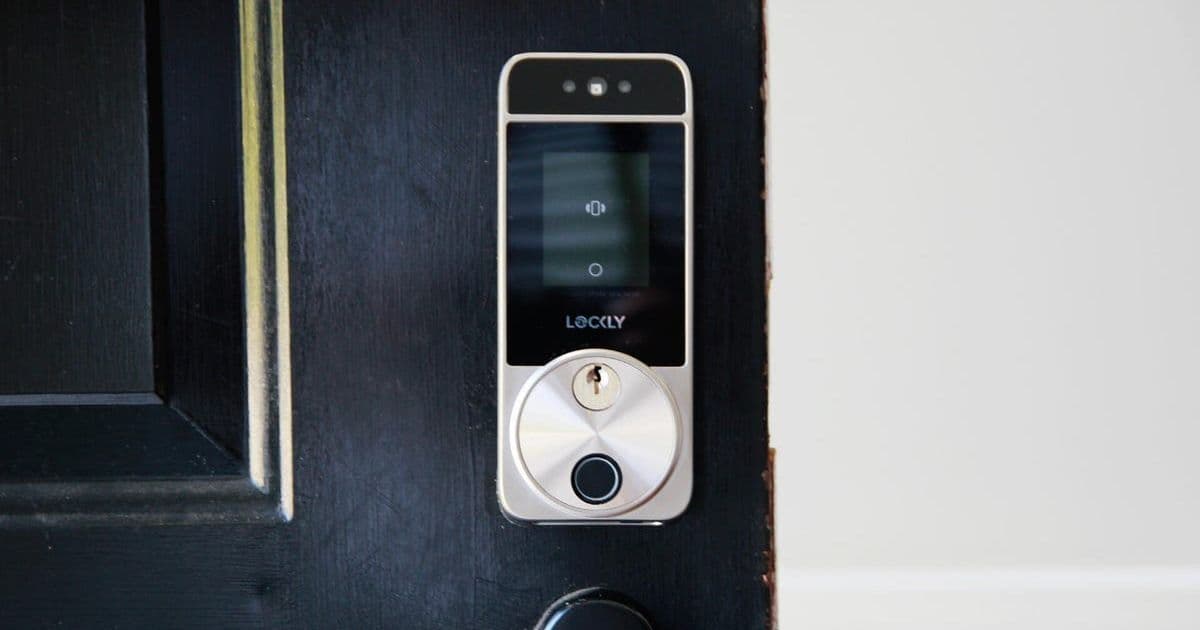
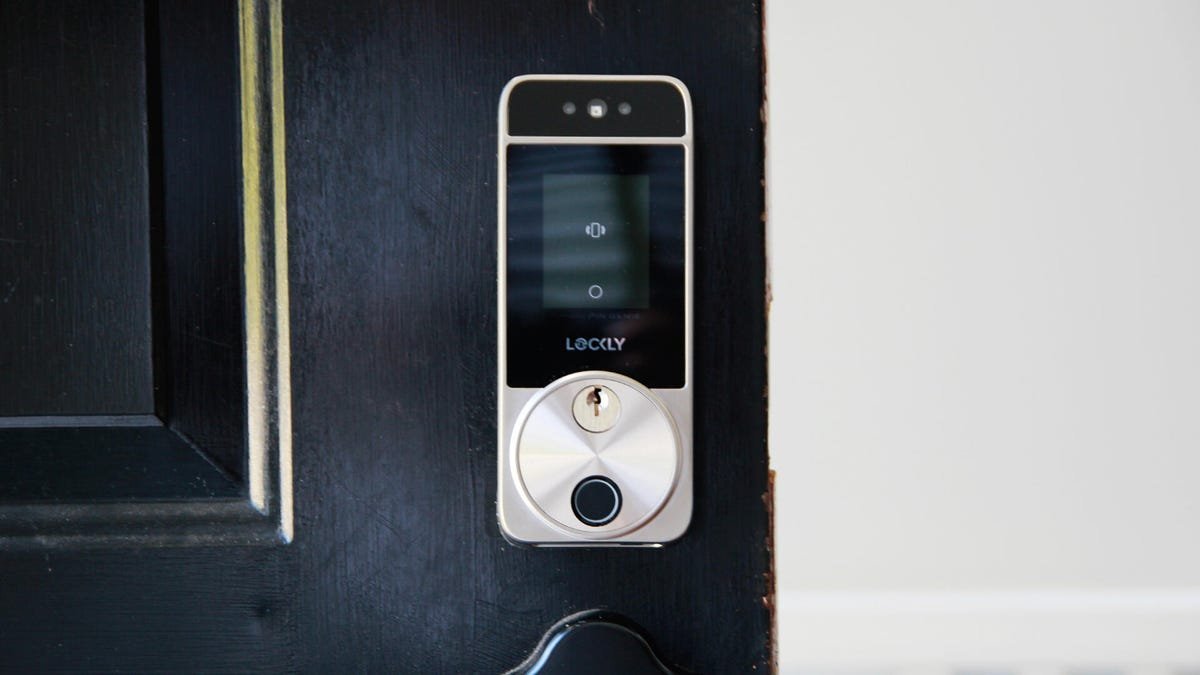
4. Lockly Visage Zeno Series: Security as a First Principle Priced at a premium ($350), this smart lock justifies its cost with advanced, security-focused engineering:
- On-Device Facial Recognition: Encrypted facial data is stored locally within the lock, not on cloud servers, significantly reducing attack surfaces.
- PIN Genie Technology: Actively scrambles the keypad to thwart passcode observation.
- Multi-Factor Options: Apple Home Key, fingerprint, physical key, remote unlock.
- Hub-Free Operation: Enhances reliability and simplifies setup. This approach prioritizes security architecture over convenience alone, a critical consideration for tech-savvy users.
5. Ting Smart Sensor: Proactive Electrical Safety Intelligence This device transcends typical smart sensors by focusing on critical infrastructure monitoring. It continuously analyzes a home's electrical signature to detect "scintillations" – microscopic sparks in damaged wiring – providing early warnings for potential fire hazards. Its value lies in actionable data:
- Real-time outage alerts faster than utility providers or backup systems.
- Historical power event logging.
- Integration of severe weather warnings with electrical risk assessment. For engineers, it represents the application of industrial monitoring principles to residential settings.
The Hub Question & The Path to Cohesion Diaz clarifies the role of hubs (like Echo Show 8 with Zigbee/Matter/Thread support) in managing device communication efficiently, reducing Wi-Fi congestion, and enabling potential local control during internet outages. While some devices (like the Lockly or Kasa plug) operate independently, a hub-centric approach using protocols like Thread or Zigbee, as seen with the Aqara bulb, often provides a more scalable and resilient backbone for a growing ecosystem. The selected devices showcase a blend of standalone robustness and hub-integratable flexibility, offering developers multiple paths to a cohesive, reliable smart home. These five devices represent not just convenience, but tangible advancements in edge processing, protocol support, security architecture, and proactive monitoring – the hallmarks of genuinely valuable smart home technology.
Source: Adapted from "8 smart home gadgets that instantly upgraded my house (and why they work)" by Maria Diaz, ZDNET (July 26, 2025).
Comments
Please log in or register to join the discussion