ZDNET's extensive testing reveals how modern gaming speakers leverage spatial audio, multi-platform connectivity, and intelligent design to deliver fatigue-free, high-fidelity soundscapes. From Logitech's DTS:X-powered RGB marvels to SteelSeries' true surround sound systems, we dissect the audio innovations transforming battlefields and living rooms.
For years, gaming audio meant headsets—immersive but isolating, high-fidelity but fatiguing. A new generation of purpose-built gaming speakers is challenging that paradigm, leveraging advanced audio processing and platform-agnostic design to deliver cinematic sound without the head-clamp. ZDNET's deep dive, led by Taylor Clemons and Allison Jewell, tested top contenders across price points and use cases, revealing how spatial audio technologies like DTS:X Ultra and Dolby Digital 5.1 are reshaping expectations.
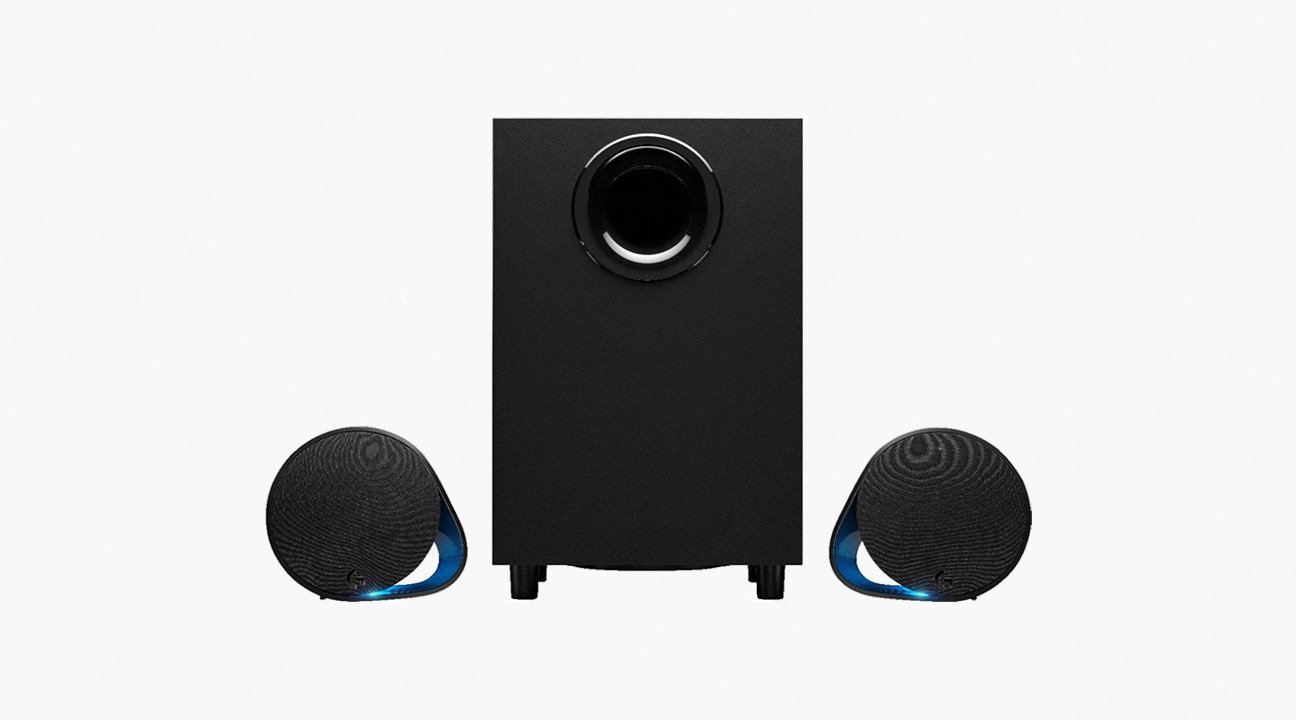
The Spatial Audio Arms Race At the forefront is the Logitech G560 (Best Overall), praised for its 240W peak power and DTS:X Ultra virtual surround sound that creates precise positional audio—critical for detecting footsteps or environmental cues. Its Lightsync RGB lighting dynamically reacts to in-game events, adding visual feedback that streamers leverage for audience engagement. Connectivity spans USB, Bluetooth, PC, and consoles, making it a versatile hub.
"The dedicated subwoofer ensures deep bass you feel, not just hear, transforming explosive moments into physical experiences," notes Clemons, highlighting its 97dB output.
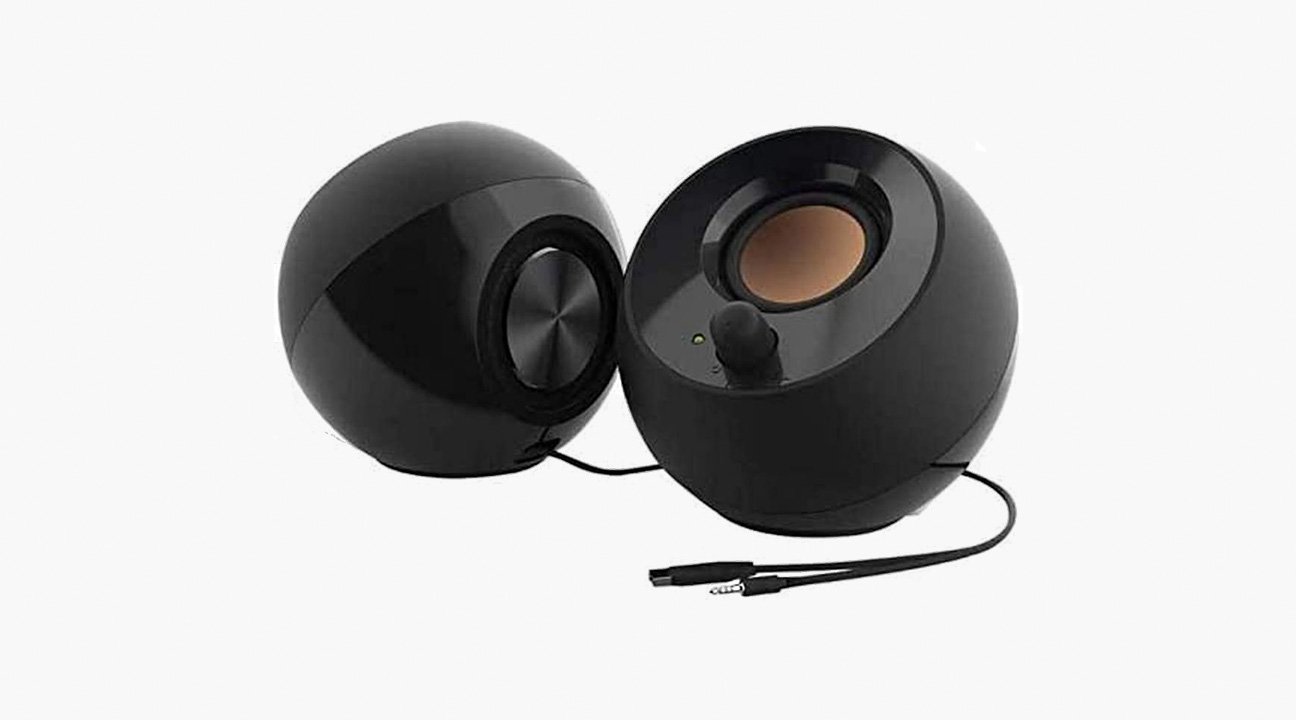
For budget-conscious gamers, the Creative Labs Pebble 2.0 ($24) defies its price with passive bass radiators and plug-and-play simplicity across PC, Mac, and mobile. Though lacking Dolby/DTS, its compact design makes it ideal for minimalist setups or LAN parties.
The High-Fidelity Heavyweights Premium seekers should eye the SteelSeries Arena 9, a 5.1CH true surround system with wireless rear satellites and a downward-firing subwoofer. Its OLED-equipped control pod enables granular EQ tuning—testers noted exceptional clarity in synth-heavy soundtracks like Persona 5. Compatibility spans PS5, Xbox Series X, and PC via USB/Bluetooth/Optical.
Console gamers gain a powerhouse in the Samsung HW-S50B soundbar. Dolby Digital 5.1 and DTS Virtual:X support, combined with adaptive sound analysis, ensure dialogue clarity amid chaos. Dual Bluetooth pairing allows instant switching between gaming and streaming sources—a boon for shared entertainment spaces.
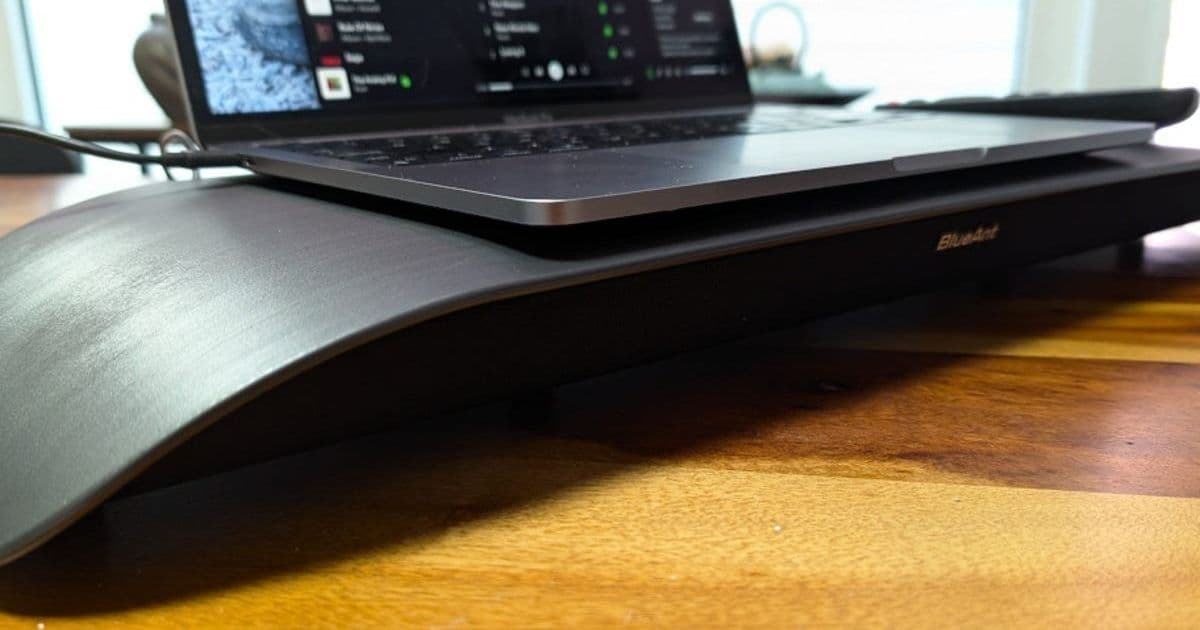
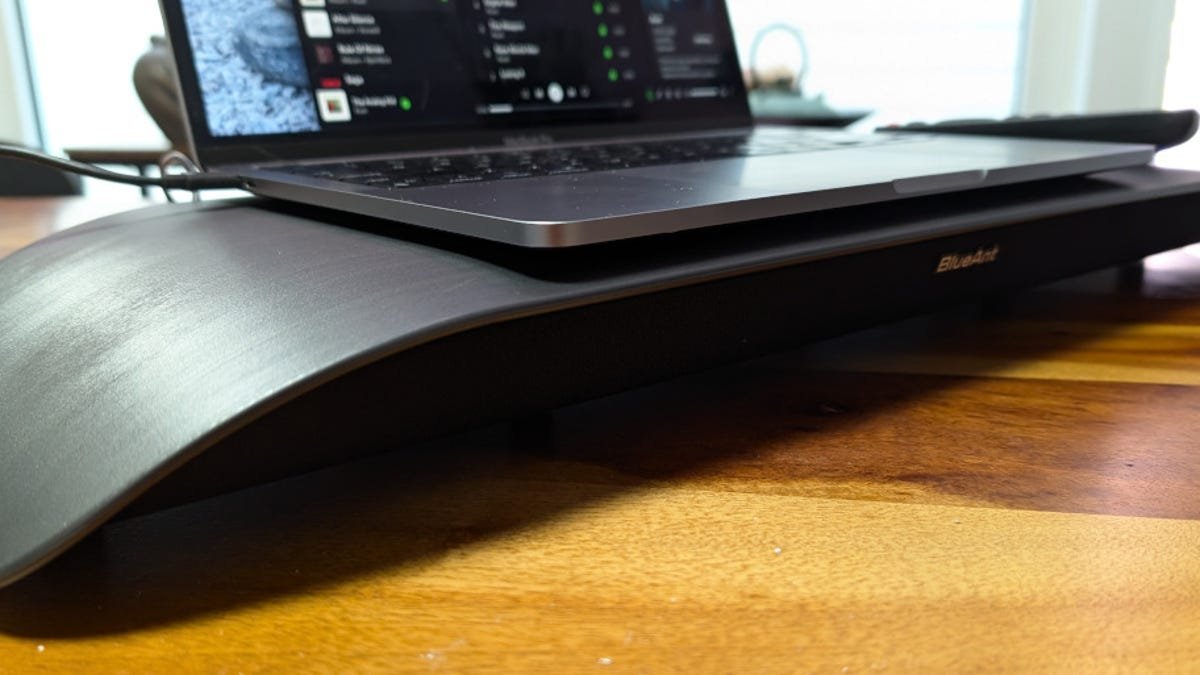
Design Innovation Under Pressure Space-constrained setups benefit from the BlueAnt Soundblade, an under-monitor bar with 2.1CH sound. ZDNET's Jack Wallen confirmed its efficacy even with Nintendo Switch in handheld mode. Three EQ presets facilitate quick transitions between game genres and media.
Why This Matters for Tech Ecosystems These speakers represent more than peripheral upgrades. Their spatial audio processing offloads computational work from CPUs/GPUs, while multi-platform support reflects gaming's device-agnostic future. For developers, optimized audio engines (like Dolby Atmos for Gaming) gain new relevance as speaker adoption grows. Supply chain shifts, including tariff impacts noted by ZDNET, could accelerate regional manufacturing—potentially reshaping component sourcing.
As Clemons concludes: "This isn't just about louder explosions. It's about audio becoming a strategic layer in gameplay, accessible without sacrificing comfort or situational awareness—whether you're commanding a squad or crafting a stream."
Source: ZDNET
Comments
Please log in or register to join the discussion