
Bitnami's abrupt shift to a paid subscription model for its secure container images and Helm charts forces developers and service providers into a high-stakes dilemma. With free legacy repositories losing updates, users face unpatched vulnerabilities and costly migrations—sparking urgent debates on open-source sustainability. This deep dive unpacks the licensing nuances, hidden responsibilities, and viable alternatives to safeguard your infrastructure.
For years, Bitnami stood as a cornerstone of the container ecosystem, offering free, ready-to-deploy Helm charts and Docker images for tools like Redis, PostgreSQL, and WordPress. Its sudden pivot to a subscription-based model, however, has plunged the community into uncertainty—revealing a tangle of licensing ambiguities, operational hazards, and hard choices for anyone relying on its artifacts. As one service provider lamented after hitting dead ends with Bitnami and its distributors: 'We fell back on an old craftsman’s rule: Measure twice, cut once.' For now, that meant walking away.
The Opaque Transition: A Community Left in the Dark
Bitnami’s move to monetize its 'Secure Images' product—distributed via Arrow Electronics and cloud marketplaces like AWS—was met with frustrating opacity. Service providers seeking clarity encountered radio silence or redirects, while many peers remained unaware of the looming August 28, 2025, cutoff. This left teams scrambling to decode implications alone. As the source article notes: 'Frustration grew. The deadline was approaching, and nobody seemed truly prepared.' The core issue? Bitnami isn’t revoking open-source licenses (Apache 2.0 for Helm charts, MIT/GPL for apps), but sunsetting free support for its hardened artifacts—forcing users into a pay-or-peril bind.
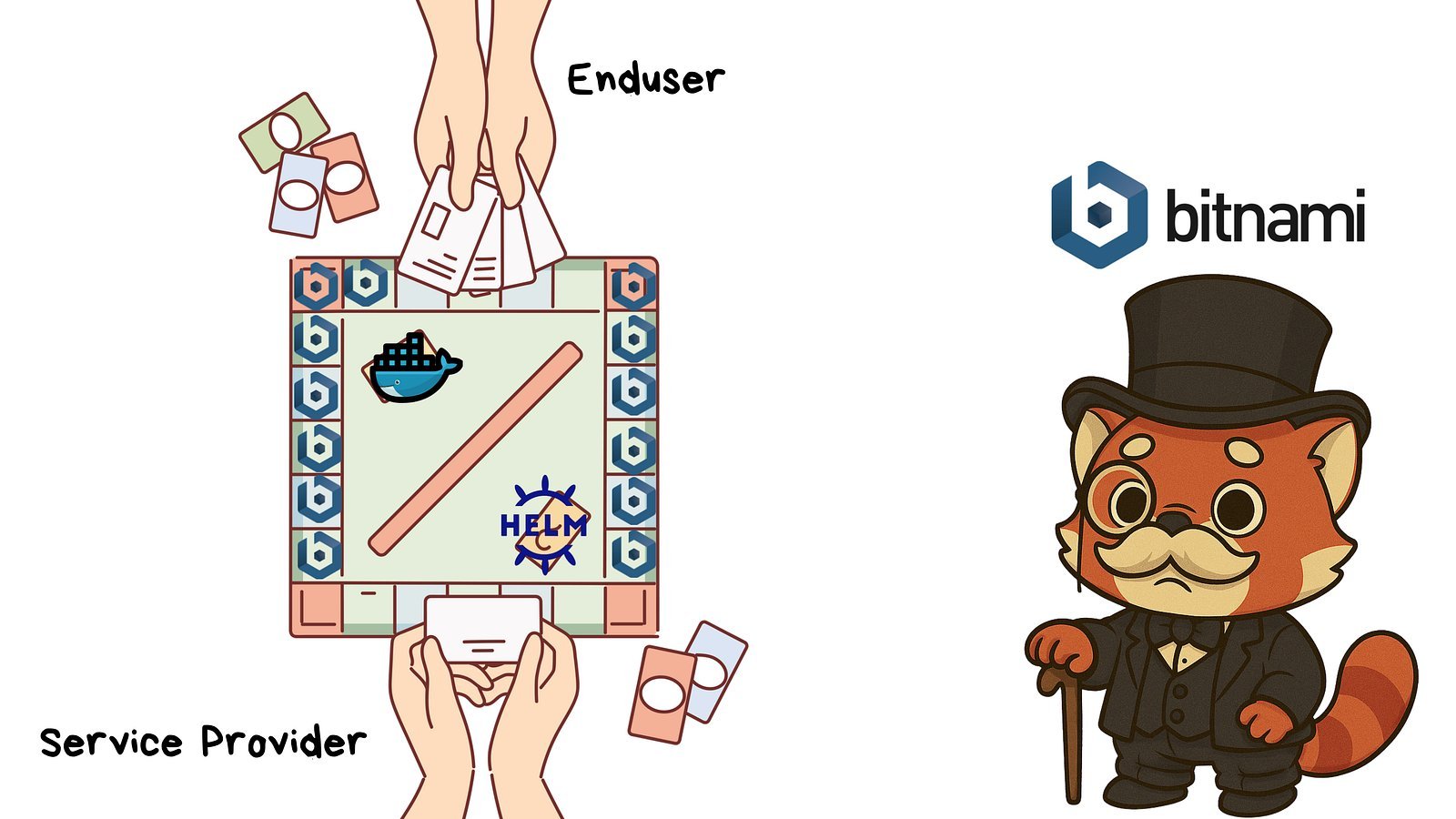 Fig. 0: Bitnami’s extensive library, once freely accessible, now hinges on a paid model.
Decoding Bitnami’s New Reality: Costs, Features, and Hidden Burdens
The subscription-based Bitnami Secure Images (BSI) promises hardened containers, regular patches, SBOMs, and CVE transparency—critical for security-conscious deployments. But this comes at a steep price: reports cite $50,000–$72,000 annually, with AWS listings at $6,000/month. A nominal free tier exists but covers only ':latest' tags for limited apps, rendering it impractical for production. Meanwhile, the legacy repository (moved to docker.io/bitnamilegacy) will stagnate post-cutoff, amplifying risks like unpatched vulnerabilities and broken CI/CD pipelines.

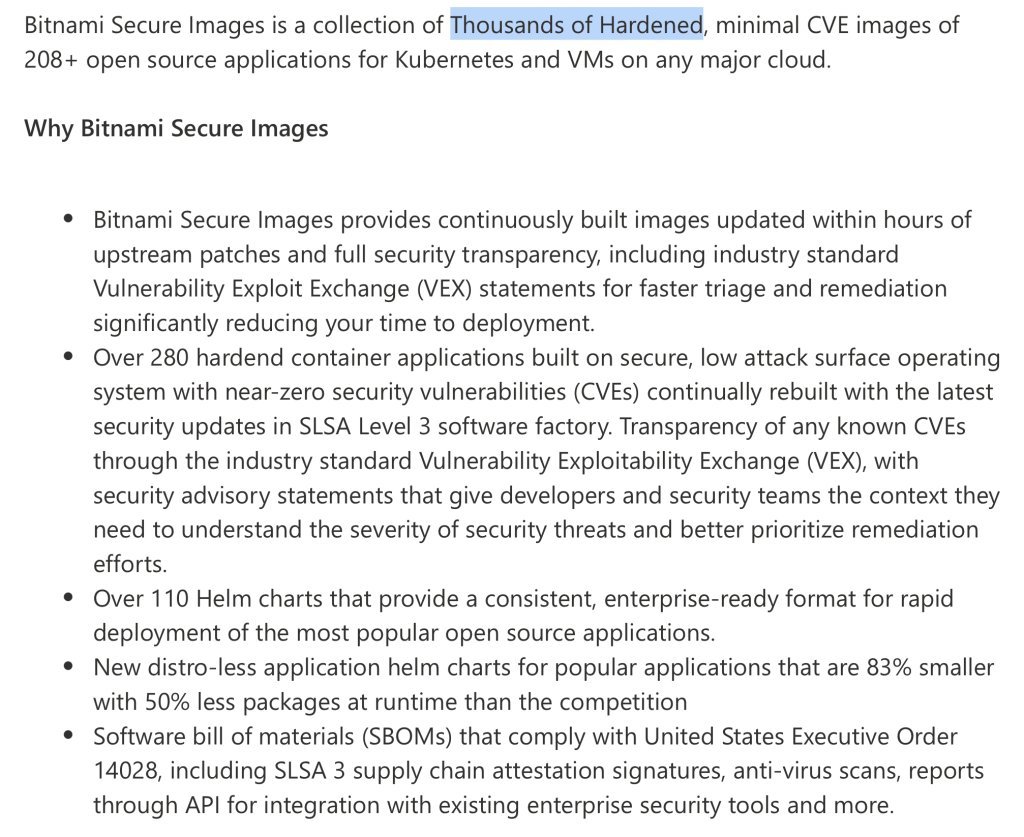 Fig. 1 & 2: The scale of Bitnami’s offering and its premium listing on Azure—now behind a paywall.
For end-users, migration is non-negotiable. Options include:
- Switching to BSI: Costly but reduces patching overhead.
- Adopting official project images: Often less hardened, shifting security duties inward.
- Building custom images: High-effort, requiring ongoing maintenance.
- Exploring alternatives: Like Chainguard’s Wolfi-based containers—though these lack Bitnami’s Helm chart ecosystem.
The Service Provider Quagmire: Licensing vs. Liability
Here’s where tensions escalate. Permissive licenses allow commercial use of Bitnami’s open-source assets, but the BSI model targets a deeper conflict: service providers monetizing Bitnami’s maintenance work without compensation. As the source highlights: 'Bitnami’s licensing is not about use, but about distributing hardened images and the support that comes with them.' This isn’t a legal violation—it’s an economic one. Sticking with legacy artifacts transfers full operational risk:
- Security burden: Teams must manually track and patch vulnerabilities.
- Cost explosion: Continuous monitoring diverts resources from core products.
- Reputational landmines: A single breach from an outdated image could trigger client fallout and lawsuits.
'The real risk is not legal, but operational. Legacy repository: Maximum responsibility, high risk. Secure Images: Responsibility remains with you, but patching is offloaded.' — Source analysis
Purchasing BSI shifts patching duties yet offers no liability shield. As noted: 'Bitnami commits to providing hardened images but does not accept liability for damages.' For providers, the calculus is stark: absorb six-figure fees or invest in in-house hardening—both costly, but inertia is riskier.
Beyond Bitnami: Charting a Resilient Path Forward
Alternatives like Chainguard excel in minimal, secure images but don’t replicate Bitnami’s Helm chart library, leaving gaps for Kubernetes-centric workflows. The source suggests pragmatic strategies:
- Quick Fix: Fork and mirror legacy charts for short-term stability.
- Long Fix: Build adaptable platforms that pivot with licensing winds, using operators or multi-provider sourcing.
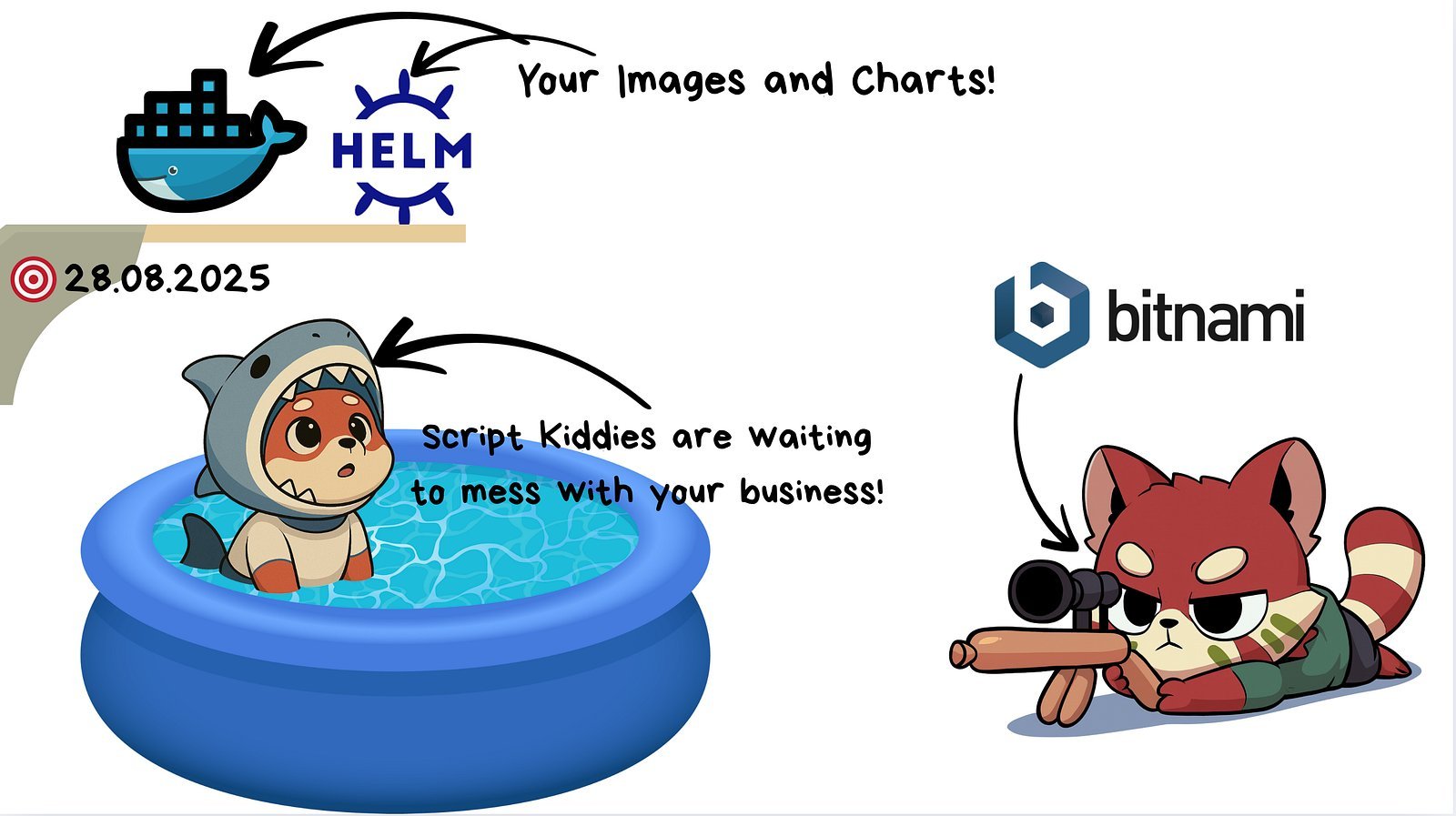 Fig. 3: Strategic responses to Bitnami’s shift—balancing immediacy with sustainability.
Ultimately, Bitnami’s move underscores a broader truth in cloud-native ecosystems: dependence on any single vendor invites fragility. Whether opting for BSI or alternatives, teams must prioritize supply-chain transparency and license agility. As the source concludes, failures erode trust regardless of contracts—'Responsibility always lies with Ops.' In this new landscape, resilience isn’t just technical; it’s a strategic imperative woven into every layer of your stack.
Source: iits-consulting.de
Comments
Please log in or register to join the discussion