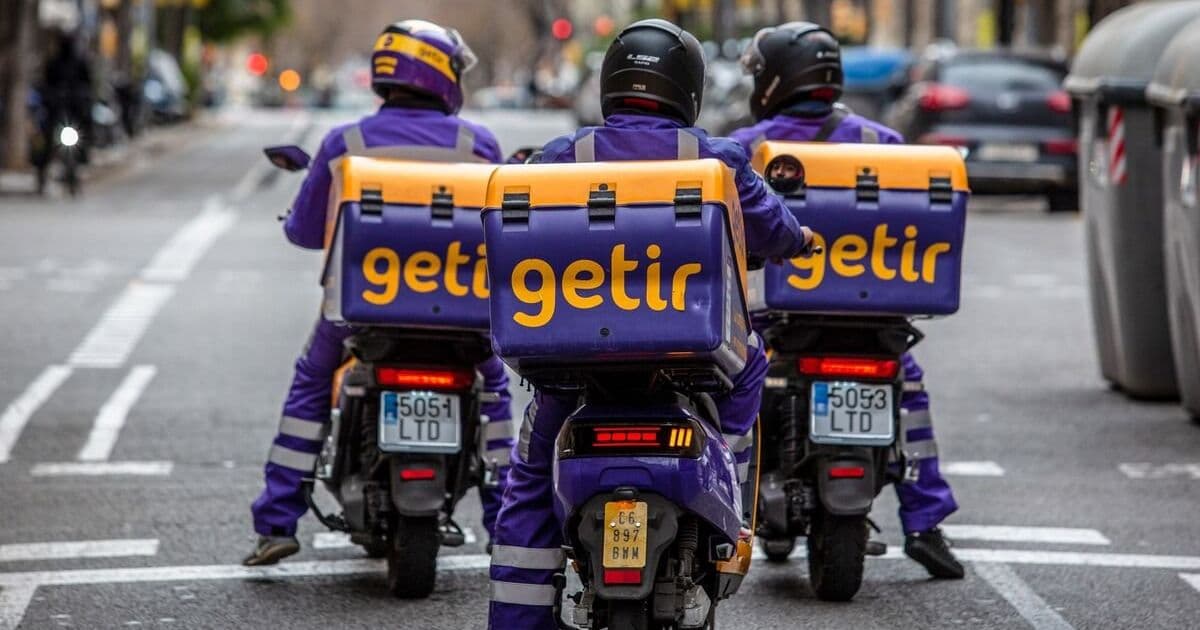
Uber agrees to purchase Getir's delivery operations from Mubadala Investment Co, with reports suggesting the deal could value Getir's business at up to $1 billion, marking Uber's latest move to strengthen its position in the competitive food delivery market.
Uber Technologies Inc. has agreed to acquire Getir's delivery operations from its controlling shareholder Mubadala Investment Co, according to multiple reports from February 9, 2026. The terms of the deal were not disclosed, but a November 2025 report suggested the transaction could value Getir's business at up to $1 billion.
The acquisition represents Uber's latest strategic move to expand its footprint in the competitive food delivery market. Getir, a Turkish company known for its rapid grocery delivery service, has been a significant player in the quick commerce space across Europe and the Middle East.
This deal comes as Uber continues to consolidate its position in the delivery sector, which has become increasingly competitive with the rise of quick commerce platforms and traditional food delivery services. The acquisition of Getir's operations would give Uber access to Getir's established infrastructure, technology, and customer base in key markets.
Mubadala Investment Co, the Abu Dhabi-based sovereign wealth fund that controls Getir, has been looking to restructure its portfolio in recent months. The sale of Getir's delivery operations aligns with Mubadala's strategy to optimize its investments and focus on core areas of interest.
For Uber, this acquisition could provide several strategic advantages:
- Market Expansion: Access to Getir's established presence in European and Middle Eastern markets
- Technology Integration: Potential to incorporate Getir's logistics and delivery technology into Uber's existing platform
- Operational Synergies: Opportunities to streamline operations and reduce costs through combined resources
- Competitive Positioning: Strengthening Uber's position against rivals like DoorDash, Deliveroo, and other quick commerce platforms
The deal highlights the ongoing consolidation in the food delivery and quick commerce sectors, as companies seek to achieve scale and efficiency in an increasingly competitive market. With rising operational costs and intense competition, larger players like Uber are looking to acquire established operations rather than building from scratch in new markets.
Industry analysts note that this acquisition could accelerate Uber's growth in the quick commerce segment, where Getir has built a strong reputation for rapid delivery of groceries and everyday essentials. The integration of Getir's operations could enhance Uber's ability to compete with specialized quick commerce platforms that have gained significant market share in recent years.
The timing of this acquisition is particularly noteworthy as the food delivery market continues to evolve post-pandemic. While delivery services saw explosive growth during COVID-19 lockdowns, the market has since matured, leading to increased competition and pressure on profit margins. Uber's move to acquire Getir's operations suggests a strategy focused on achieving greater scale and operational efficiency to navigate these challenges.
Financial details of the transaction remain limited, but the reported $1 billion valuation for Getir's delivery operations indicates the significant value placed on established quick commerce infrastructure and customer relationships in today's market.
This acquisition follows a pattern of strategic moves by Uber to strengthen its position in the delivery and mobility sectors. The company has been actively investing in various aspects of its business, from autonomous vehicle technology to freight logistics, as it seeks to diversify revenue streams and build a more comprehensive platform for transportation and delivery services.
The deal is subject to regulatory approval and other customary closing conditions. Industry observers will be watching closely to see how Uber integrates Getir's operations and whether this acquisition provides the competitive edge the company seeks in the rapidly evolving delivery market.
As the food delivery and quick commerce sectors continue to consolidate, this acquisition by Uber represents another significant shift in the competitive landscape, potentially setting the stage for further mergers and acquisitions as companies seek to achieve the scale necessary to compete effectively in an increasingly challenging market environment.
Comments
Please log in or register to join the discussion