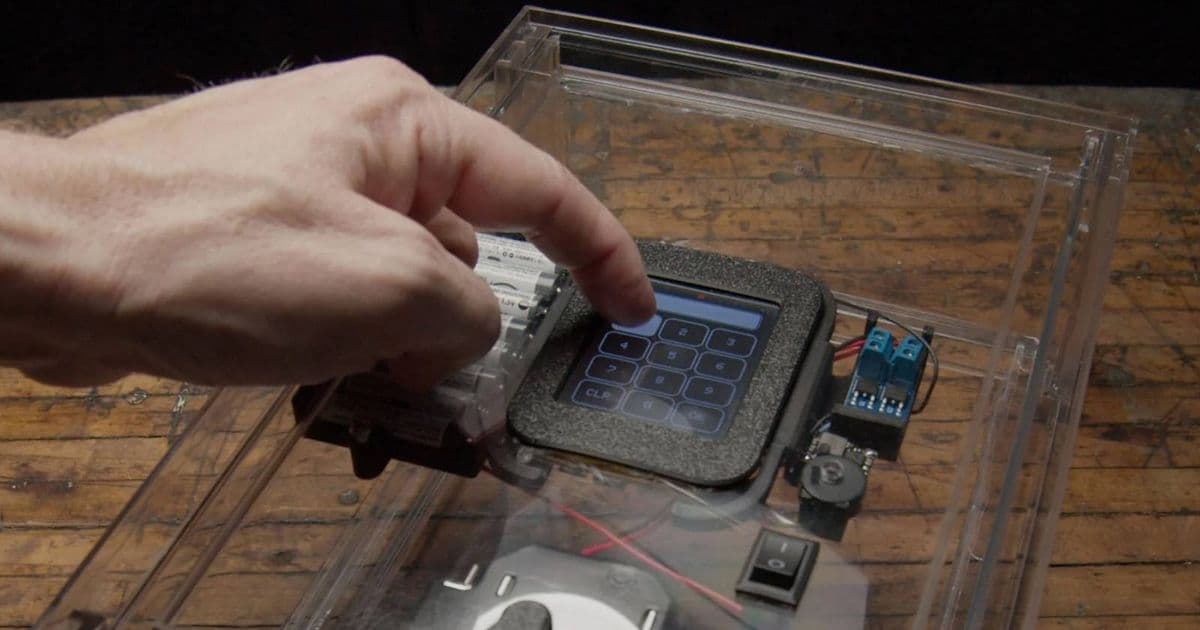
Maker Chad Kapper demonstrates how ESP32's Cheap Yellow Display creates affordable escape room puzzles using touchscreen interfaces.
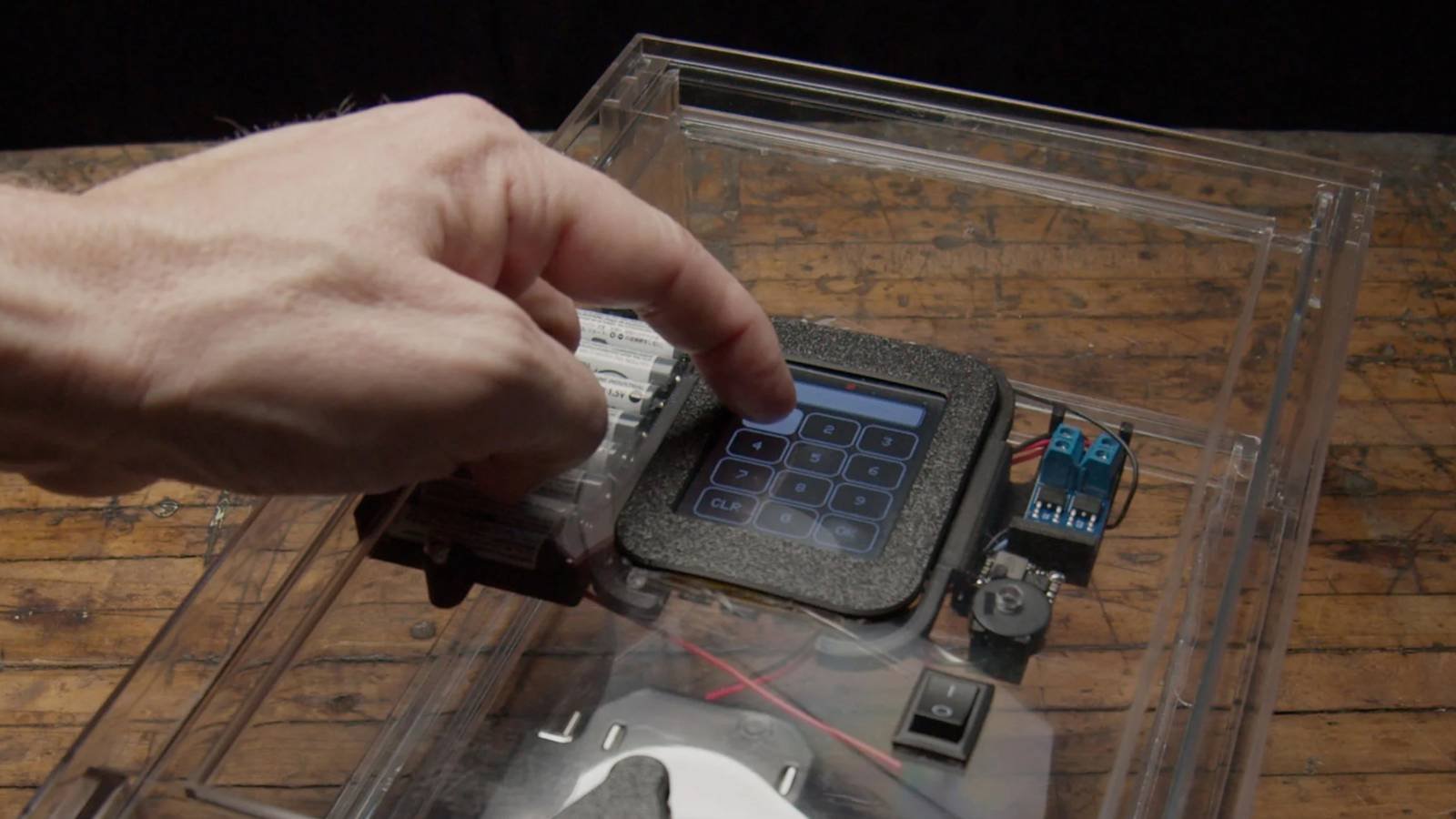
For escape room designers and tabletop RPG enthusiasts needing interactive props, Chad Kapper's ESP32-powered lockbox offers remarkable flexibility at minimal cost. Built around the controversial Cheap Yellow Display (CYD) board, this $30 project replaces physical locks with programmable touchscreen puzzles—perfect for immersive game scenarios.
The CYD board anchors the design with its 240x320 touchscreen, ESP32 microcontroller, WiFi capability, and speaker output. As Kapper notes: "Dozens of manufacturers produce slightly different versions, and the documentation is often incomplete or flat-out wrong. It’s not exactly a polished product… but it’s cheap, it works (most of the time)." This variability requires troubleshooting but enables sub-$10 component sourcing from platforms like AliExpress.
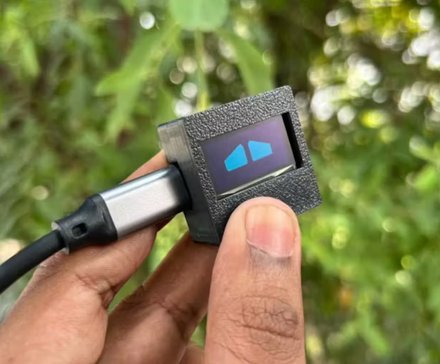
Unlike traditional combination locks, the touchscreen interface unlocks creative puzzle mechanics:
- Shape-based codes where players trace patterns
- Sliding tile puzzles requiring image rearrangement
- Custom numpads with randomized button layouts
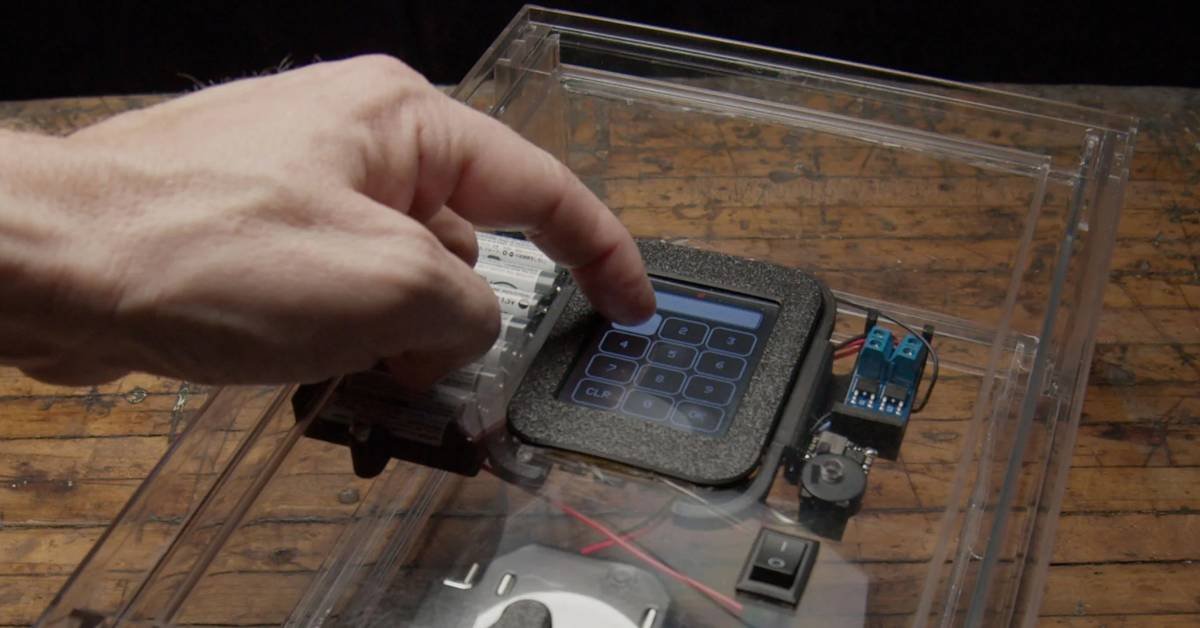
The lockbox physically secures contents using a 5V solenoid controlled by the ESP32. When players solve the on-screen puzzle, the ESP32 triggers the solenoid via a MOSFET transistor, releasing the latch. Kapper's design employs PlatformIO for firmware development, allowing rapid iteration of puzzle logic.
At under $30 total—including CYD board ($8), solenoid ($3), project box ($7), and miscellaneous components—this approach drastically undercuts commercial electronic puzzle boxes. For reference, similar pre-built units often exceed $100. The project’s affordability makes it viable for temporary installations like convention escape rooms or classroom activities.
While noting the CYD's occasional driver quirks, Kapper emphasizes its value for experimental builds: "With a little creativity you can squeeze surprising value out of it." The open-source firmware allows developers to integrate additional features like time limits, sound effects via the built-in speaker, or remote status monitoring over WiFi.
This joins other inventive ESP32 projects like the interactive desk companion in demonstrating how accessible microcontrollers enable tangible gameplay mechanics. Kapper's full build guide and code are available on HackMakeMod.
Comments
Please log in or register to join the discussion