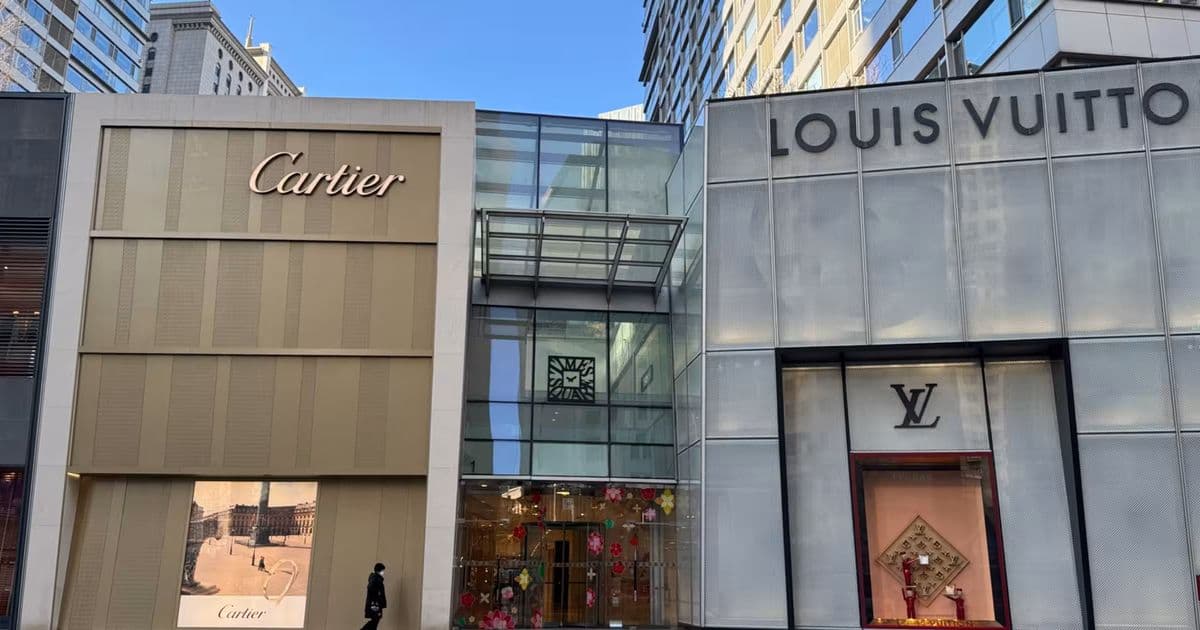
Luxury goods spending in China grew 1-3% in Q4 2025 as rising stock markets boosted affluent consumers, though Bain & Co. reports wealthy shoppers are increasingly favoring experiences over products.
Chinese luxury goods spending saw a modest recovery in the final quarter of 2025, growing between 1% and 3% year-over-year, according to estimates from U.S. consultancy Bain & Co. The uptick comes as China's stock market has shown signs of strength, boosting the purchasing power of affluent consumers who drive the luxury sector.
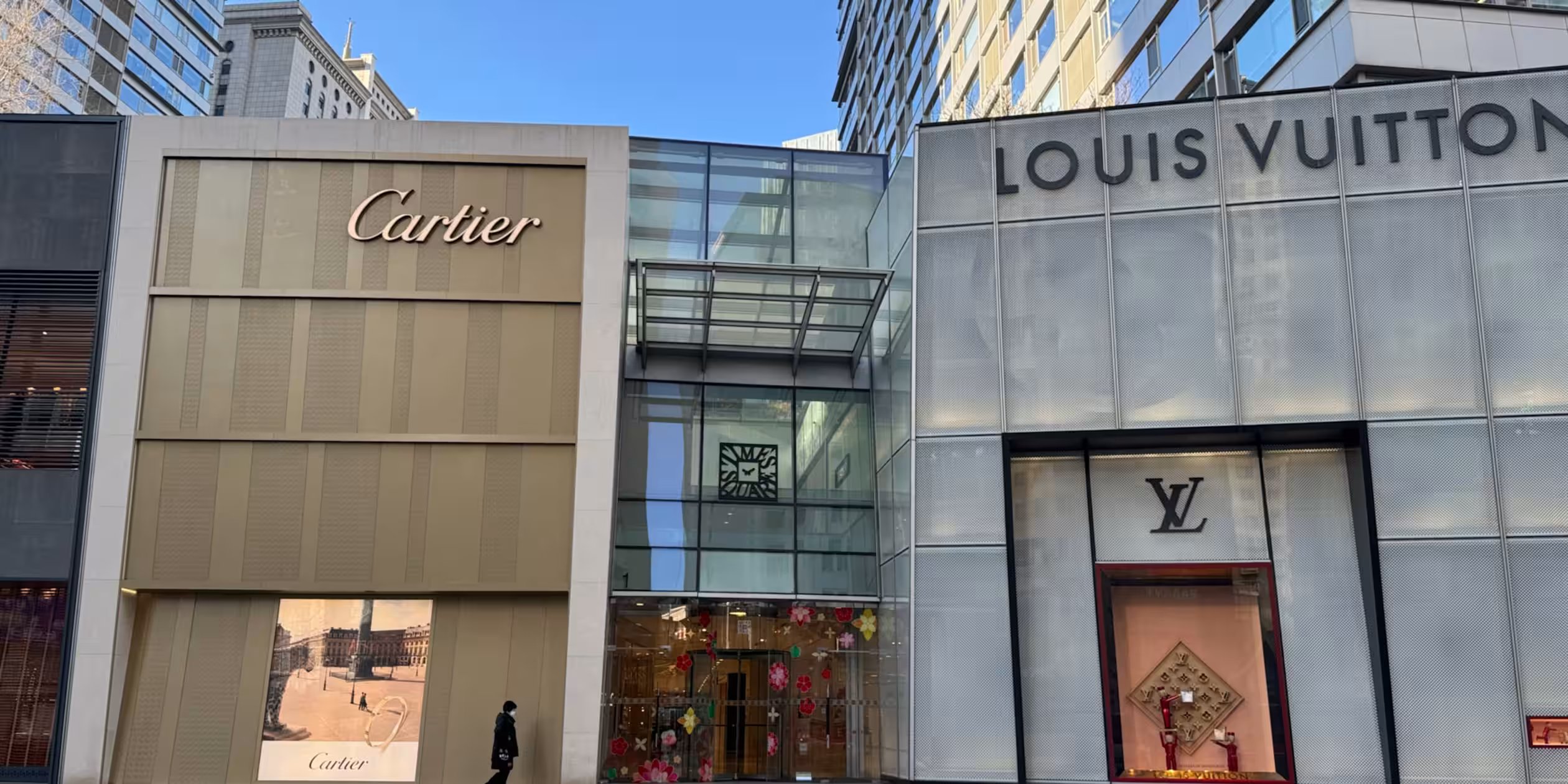
The recovery in luxury spending comes after several challenging quarters for the sector in mainland China. While the growth remains modest compared to pre-pandemic levels, it signals a potential turning point for luxury brands that have been grappling with shifting consumer preferences and economic headwinds.
Stock Market as a Catalyst
Bain & Co. specifically attributed part of the luxury spending rebound to a "robust stock market," suggesting that wealth effects from equity gains are translating into increased discretionary spending among China's wealthy. This correlation highlights how luxury consumption in China remains closely tied to financial market performance, particularly for high-net-worth individuals.
The timing is notable given recent volatility in Chinese markets and ongoing concerns about economic growth. The fact that luxury spending is responding positively to stock market gains suggests that affluent consumers may be feeling more confident about their financial positions despite broader economic uncertainties.
Shifting Consumer Preferences
However, the survey reveals a more complex picture of Chinese luxury consumption. While spending is increasing, Bain's research indicates that wealthy Chinese consumers are increasingly favoring experiences over products. This shift represents a significant challenge for traditional luxury goods companies that have built their business models around selling physical products.
This trend toward experiential luxury could manifest in several ways:
- Increased spending on luxury travel and hospitality
- Greater investment in exclusive events and experiences
- Higher demand for personalized services and customization
- Growing interest in wellness and lifestyle offerings
Broader Economic Context
The luxury spending rebound occurs against a backdrop of mixed economic signals in China. While the affluent segment shows signs of strength, the broader consumer market continues to face challenges. Recent reports indicate that China's consumer appetite remains high despite economic difficulties, with companies like Aeon China reporting sustained demand.
The property sector, traditionally a key driver of luxury consumption through wealth effects, continues to struggle with debt issues and declining sales. This has led to various government interventions aimed at supporting the real estate market, though the effectiveness of these measures remains to be seen.
Implications for Luxury Brands
For luxury brands operating in China, the current environment presents both opportunities and challenges. The modest recovery in spending is welcome news, but the shift toward experiences requires strategic adaptation. Brands may need to:
- Develop more experiential offerings alongside traditional products
- Create exclusive events and services that justify premium pricing
- Invest in digital platforms that cater to experience-seeking consumers
- Reconsider retail strategies to focus on creating memorable in-store experiences
Looking Ahead
The 1-3% growth in luxury spending, while positive, remains below the levels many brands experienced during China's previous luxury boom. The sector's future will likely depend on several factors:
- The sustainability of stock market gains and their impact on wealthy consumers
- The government's ability to address broader economic challenges
- How effectively luxury brands can adapt to changing consumer preferences
- The resolution of property sector issues that affect overall consumer confidence
The shift toward experiences over products may represent a fundamental change in how Chinese consumers approach luxury, requiring brands to rethink their strategies for the world's largest luxury market.
As China continues to navigate economic challenges, the luxury sector's performance will serve as an important indicator of consumer confidence among the country's most affluent segment. The current recovery, while modest, suggests that the market retains resilience even in challenging times.
Comments
Please log in or register to join the discussion