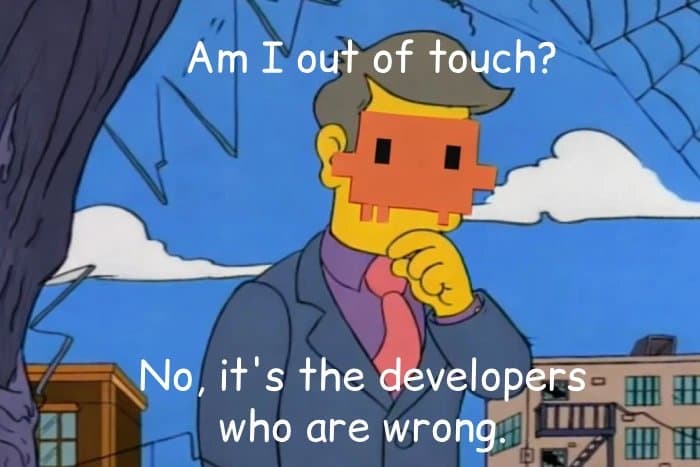
Anthropic's Claude Code version 2.1.20 replaced detailed file paths and search patterns with vague summary lines, sparking user backlash and debates about developer tool transparency.
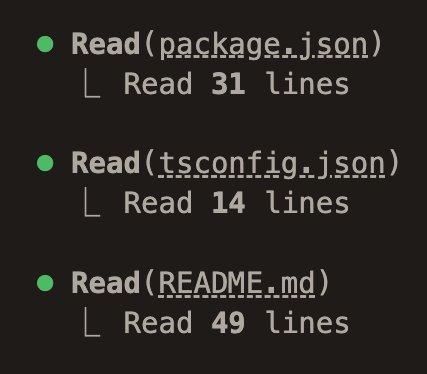
The latest update to Claude Code, Anthropic's AI-powered programming assistant, has ignited developer frustration by fundamentally changing how the tool reports its interactions with codebases. Version 2.1.20, released earlier this month, replaces specific file paths and search patterns in the default output with generic summary lines. Where developers previously saw:
Before: Detailed file paths shown inline
They now receive:

After: Generic summary replaces specific information
This change means developers see "Read 3 files" without knowing which files, or "Searched for 1 pattern" without seeing the actual pattern. For professionals debugging complex systems, this loss of specificity undermines Claude Code's core functionality as a collaborative programming tool.
Across GitHub issues and developer forums, users consistently requested two solutions: revert to the previous detailed output or implement a configuration toggle. The official response from Anthropic stated: "For the majority of users, this change is a nice simplification that reduces noise."

This claim puzzled many, given the immediate backlash. As one developer noted: "The change just shipped and the only response is people complaining." Instead of offering a toggle, Anthropic suggested using verbose mode, which floods the terminal with full thinking traces, subagent transcripts, and complete file contents – a solution many consider excessive for simply regaining file path visibility.
Anthropic's subsequent adjustments focused on stripping elements from verbose mode rather than addressing the core request. This created a cascading problem: verbose mode users who relied on thinking traces now lose that functionality, while basic users must navigate excessive output for basic information. As the community points out, implementing a single configuration flag would likely require less engineering effort than the ongoing verbose mode modifications.
The situation highlights tensions in tool design philosophy. Developers argue that transparency in tool operations isn't noise but essential feedback. As one commenter emphasized: "If you display 'Searched for 13 patterns, read 2 files' without details, you might as well show nothing." Many users now pin their installations to version 2.1.19 while waiting for a resolution, creating maintenance challenges.
This controversy emerges ironically alongside Anthropic's public messaging about respecting technical users. The disconnect between marketing promises and tooling decisions raises questions about how AI-assisted development tools balance simplicity with professional utility. For now, developers face a choice: tolerate reduced visibility, manage verbose mode's overhead, or revert versions while hoping for a configuration option that respects different workflow preferences.
Comments
Please log in or register to join the discussion