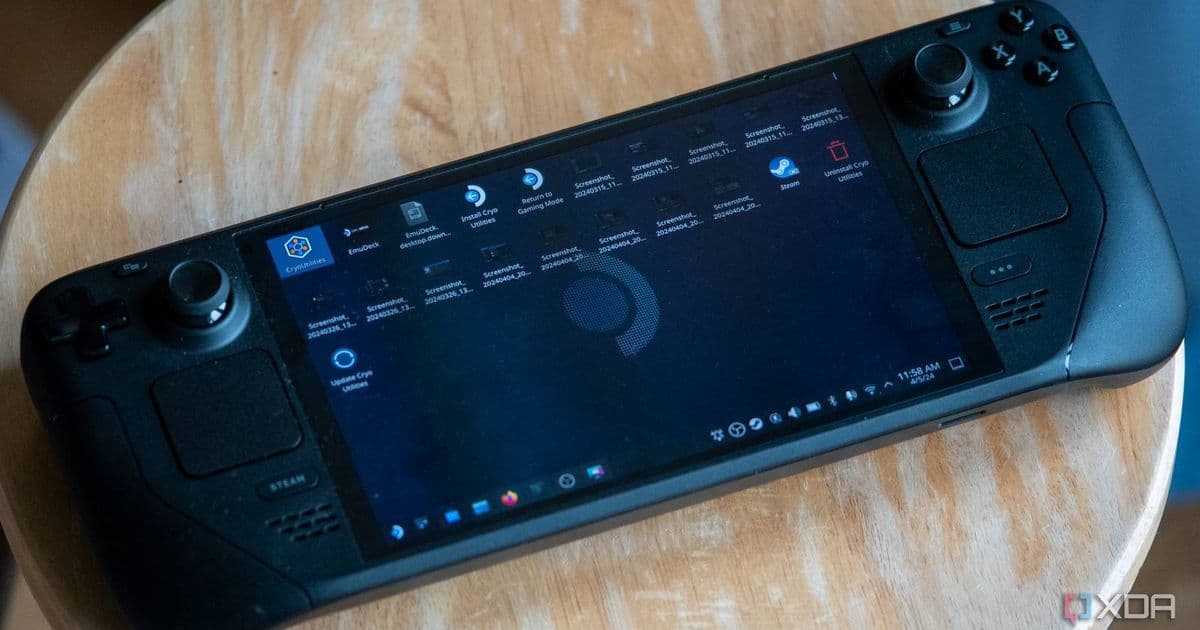
Valve's Steam Deck OLED models are disappearing from shelves across multiple regions, with component costs likely driving the shortages that could force price increases.
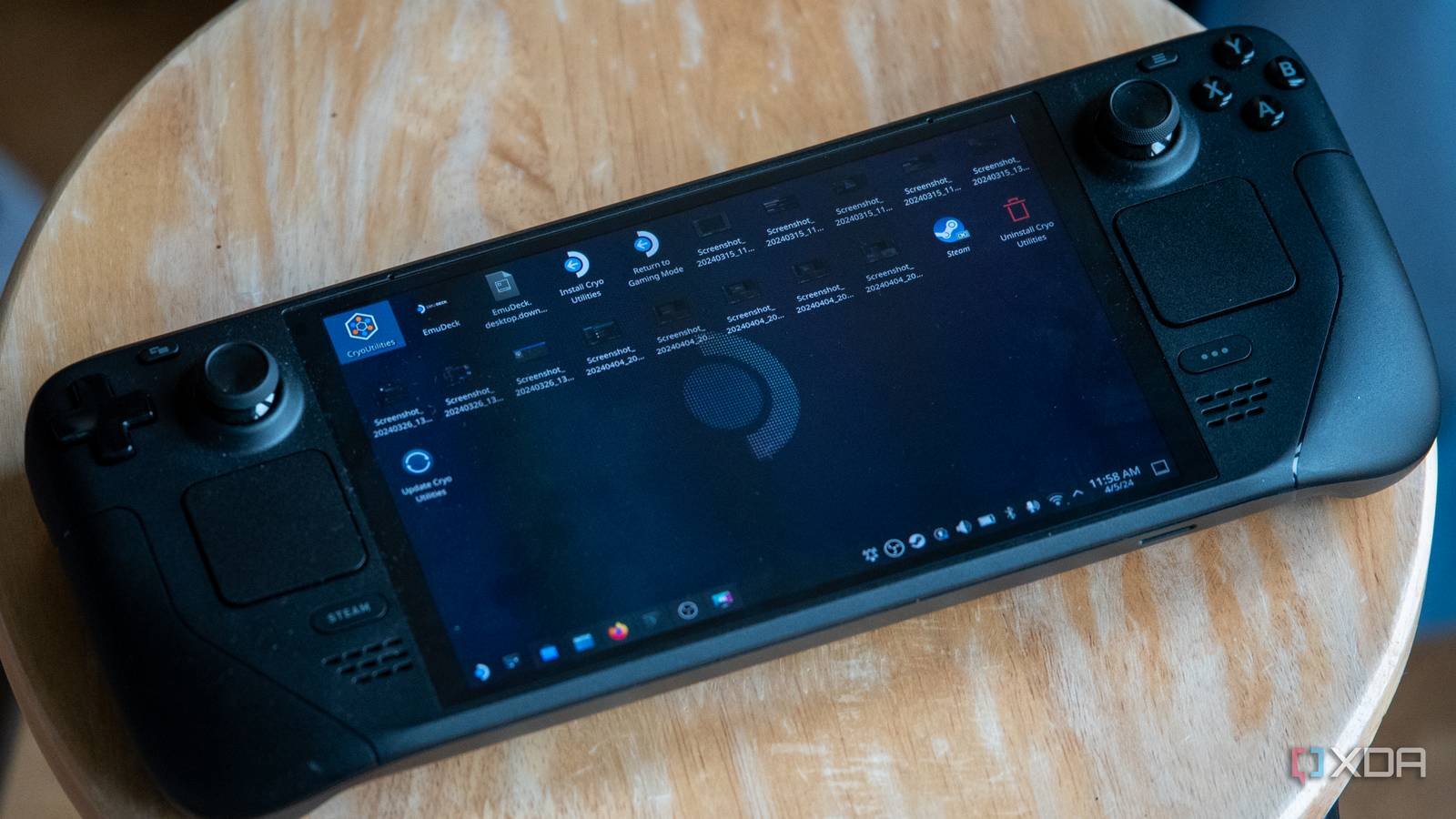
The Steam Deck OLED, Valve's popular handheld gaming PC, is facing significant stock shortages across multiple regions, raising concerns about potential price increases as component costs continue to climb.
Global Stock Issues Emerge
Recent reports indicate that Steam Deck OLED models have vanished from Valve's online store in the United States, with similar shortages appearing in Japan, Hong Kong, Korea, and Taiwan. The situation is particularly concerning because it affects not just the discontinued LCD version, but also the OLED models that were still in active production.
The stock situation varies significantly by region. While the US and parts of Asia are experiencing complete outages, many European countries still have units available through Valve's store. This geographic disparity suggests the issue may be more complex than simple manufacturing delays.
Component Costs Likely Culprit
Unlike the LCD version, which Valve had already announced would be discontinued, the OLED models' disappearance from shelves points to supply chain issues rather than product lifecycle management. Industry analysts are pointing to rising component costs, particularly RAM prices, as the likely cause of these shortages.
The handheld gaming market has been particularly vulnerable to component price fluctuations. The Steam Deck's custom APU, combined with its high-speed RAM and OLED display, makes it susceptible to the same supply chain pressures affecting other gaming hardware.
Price Hike Concerns Mount
With component costs rising and stock levels dwindling, many observers believe a price increase may be inevitable. The current shortages make it feel less like a question of "if" Valve will raise prices and more like "when" the increase will occur.
This situation mirrors challenges faced by other handheld gaming manufacturers. The Steam Machine, Valve's other hardware venture, has already experienced delays and price increases, suggesting the company is grappling with broader manufacturing and supply chain challenges.
Impact on Gamers and Market
The shortages come at a particularly challenging time for the handheld gaming market. With competitors like the ASUS ROG Ally and Lenovo Legion Go also facing their own supply chain issues, gamers may find themselves with fewer options and potentially higher prices across the board.
For current Steam Deck owners, the shortages could affect the secondary market, potentially driving up prices for used units. For prospective buyers, the situation creates uncertainty about when they might be able to purchase a new unit at current prices.
Looking Ahead
Valve has not yet provided official commentary on the stock situation or whether price adjustments are planned. The company's next moves will be closely watched by both the gaming community and industry analysts.
The Steam Deck has been a significant success for Valve, helping to popularize the handheld gaming PC category. How the company navigates these supply chain challenges could have lasting implications for the broader handheld gaming market.
The current situation serves as a reminder of the fragility of global supply chains, particularly for specialized electronics. As component costs continue to fluctuate, other hardware manufacturers may face similar challenges in maintaining both stock levels and price points.
For now, gamers in affected regions may need to either wait for restocks, explore secondary markets, or consider alternatives while Valve works to resolve these supply chain issues. The hope remains that Valve can secure components at reasonable prices without passing additional costs onto consumers, but the current market conditions make that outcome increasingly uncertain.
Comments
Please log in or register to join the discussion