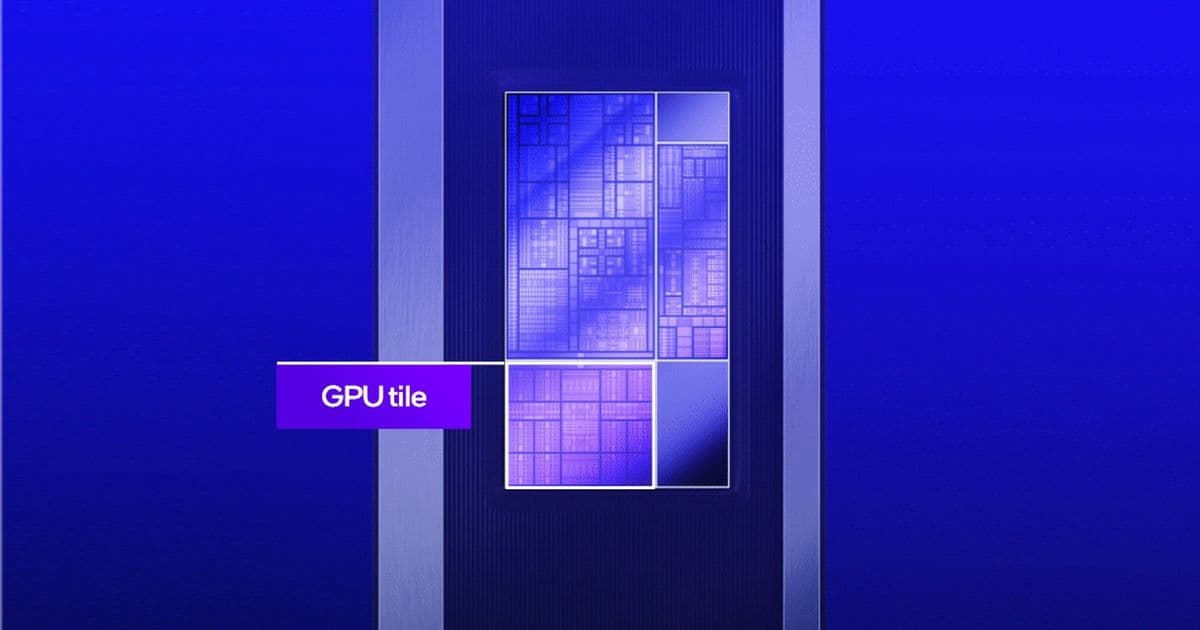
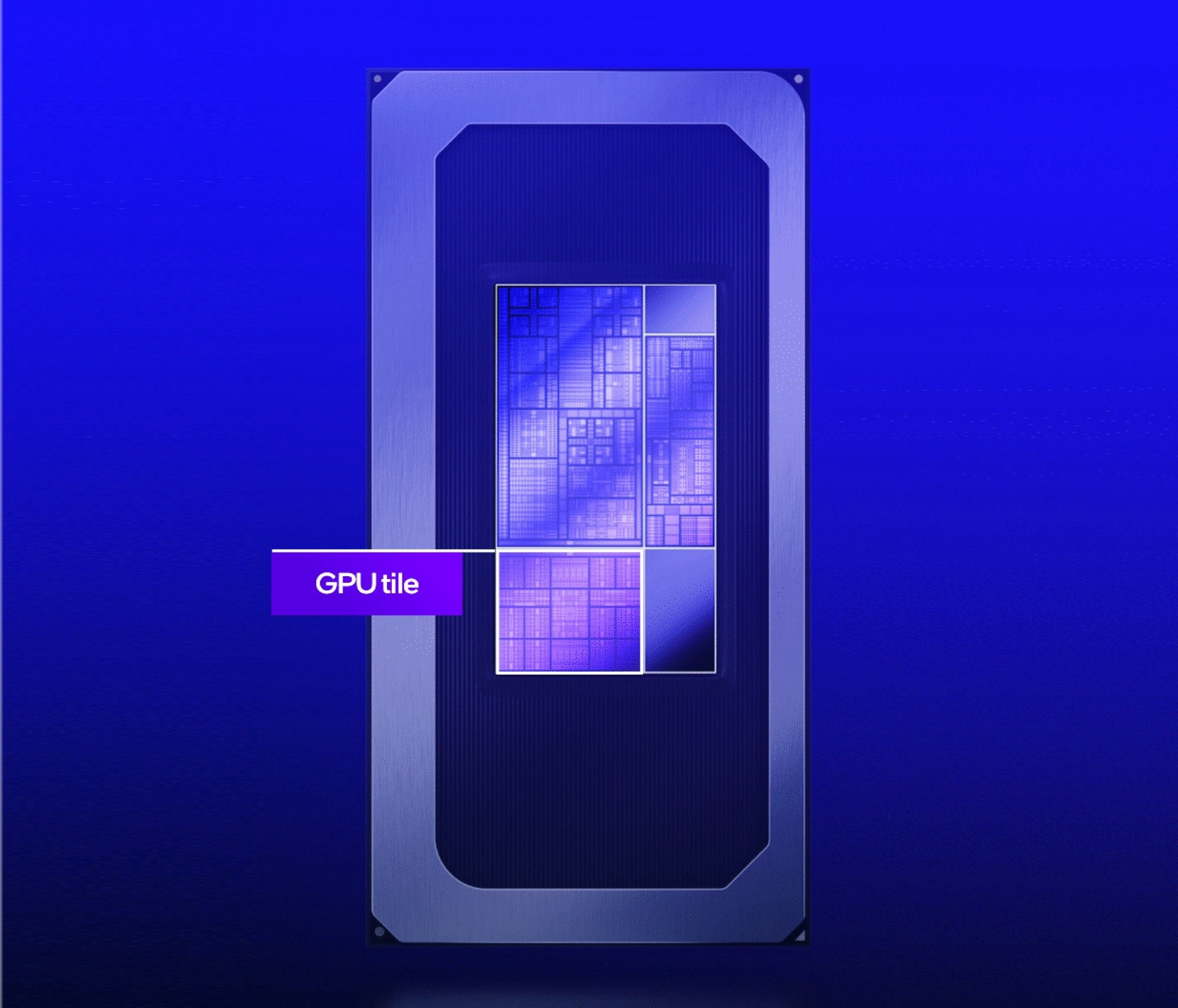
While Intel's Panther Lake-powered Arc B390 dominates in 3DMark tests, real-world gaming and productivity benchmarks reveal a nuanced performance landscape where Nvidia's RTX 4050 often closes the gap or leads despite higher power consumption.
The Synthetic Benchmark Mirage
Initial excitement around Intel's Arc B390 GPU following CES 2026 was fueled by impressive 3DMark results showing 30-40% leads over Nvidia's RTX 4050. Our testing confirms this synthetic advantage—the Panther Lake-powered Dell XPS 14 scored 80.2 points in 3DMark Performance Rating compared to 59.5 points for the RTX 4050 variant. These numbers sparked claims of 'RTX 4050-beating' performance, but synthetic benchmarks alone paint an incomplete picture.
Real-World Gaming Performance
When running actual games, the performance delta shrinks dramatically:
| Game (1080p High Settings) | Arc B390 FPS | RTX 4050 FPS | Advantage |
|---|---|---|---|
| Cyberpunk 2077 | 49 | 49.8 | RTX +2% |
| Baldur's Gate 3 | 55.4 | 56 | RTX +1% |
| GTA V | 64.3 | 73.4 | RTX +14% |
| Strange Brigade | 48.7 | 48.3 | Arc +1% |
At higher resolutions like 1440p Ultra, the RTX 4050 pulls ahead by 7% despite both GPUs struggling. Older titles and simulation games like X-Plane consistently favor Nvidia's architecture. Crucially, RTX 4050 systems with higher thermal headroom (like Lenovo's Yoga Pro 7) extend this lead to 20% before factoring in DLSS enhancements.
Power Efficiency Tradeoffs
The B390's true strength emerges in power efficiency. Running Cyberpunk 2077 at 1080p Ultra:
- Arc B390: 52W average power draw
- RTX 4050: 95W average power draw
This 45% reduction in power consumption for nearly equivalent frame rates makes Panther Lake compelling for thin-and-light designs. However, the efficiency advantage disappears in sustained workloads where thermal constraints trigger throttling.
Productivity Performance Gap
Nvidia dominates content creation workflows, particularly in GPU-accelerated rendering:
| Blender Benchmark | RTX 4050 (OptiX) | Arc B390 (OneAPI) | Performance Gap |
|---|---|---|---|
| Classroom v3.3 | 37 seconds | 106 seconds | 186% slower |
| Barbershop v4.3 | N/A | 369 seconds | Not comparable |
The RTX 4050 completes renders 2-3x faster using OptiX acceleration—a decisive advantage for creators. Intel's OneAPI implementation shows progress but can't overcome architectural limitations in professional applications.
Who Should Choose What?
- Arc B390: Ideal for mobile users prioritizing battery life and moderate gaming in ultraportables like the XPS 14. Its efficiency enables thinner designs without excessive heat.
- RTX 4050: Better for dedicated gamers and creators needing consistent performance across diverse workloads. DLSS support and superior ray tracing provide tangible benefits that synthetic scores don't capture.
Benchmark comparisons must extend beyond synthetic tests to reveal genuine user experience differences. While Panther Lake marks impressive progress for integrated graphics, discrete GPUs maintain advantages where sustained performance matters most.
Comments
Please log in or register to join the discussion