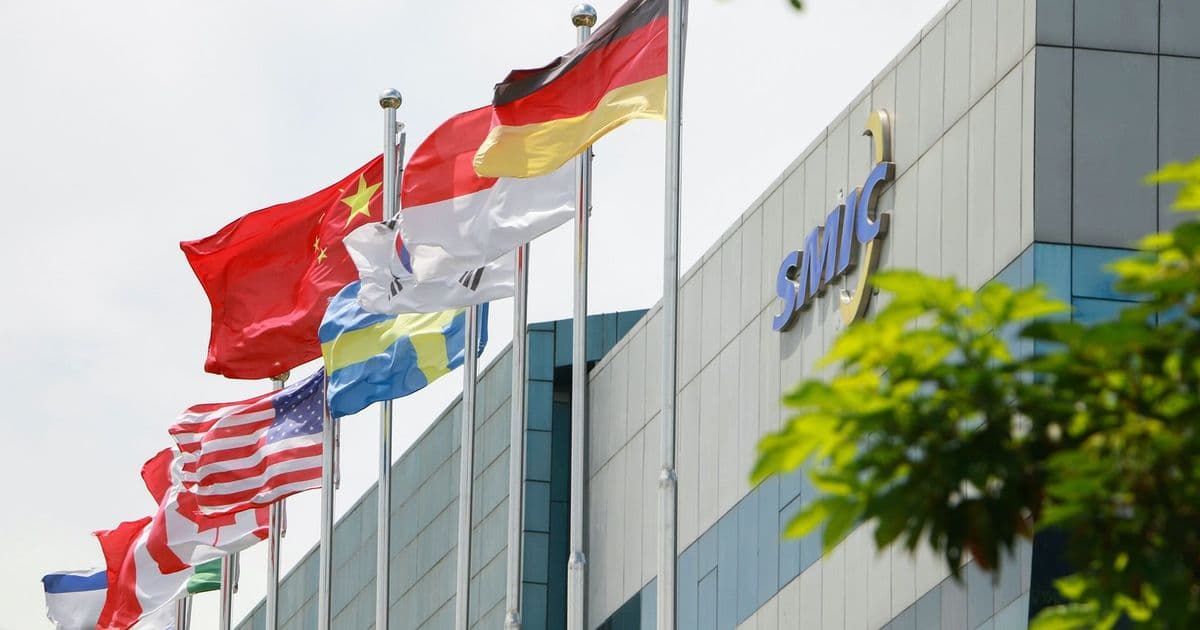
China's largest chipmaker cautions that the global rush to build AI data centers mirrors China's earlier missteps where facilities operated at 20-30% capacity due to premature development and poor planning.
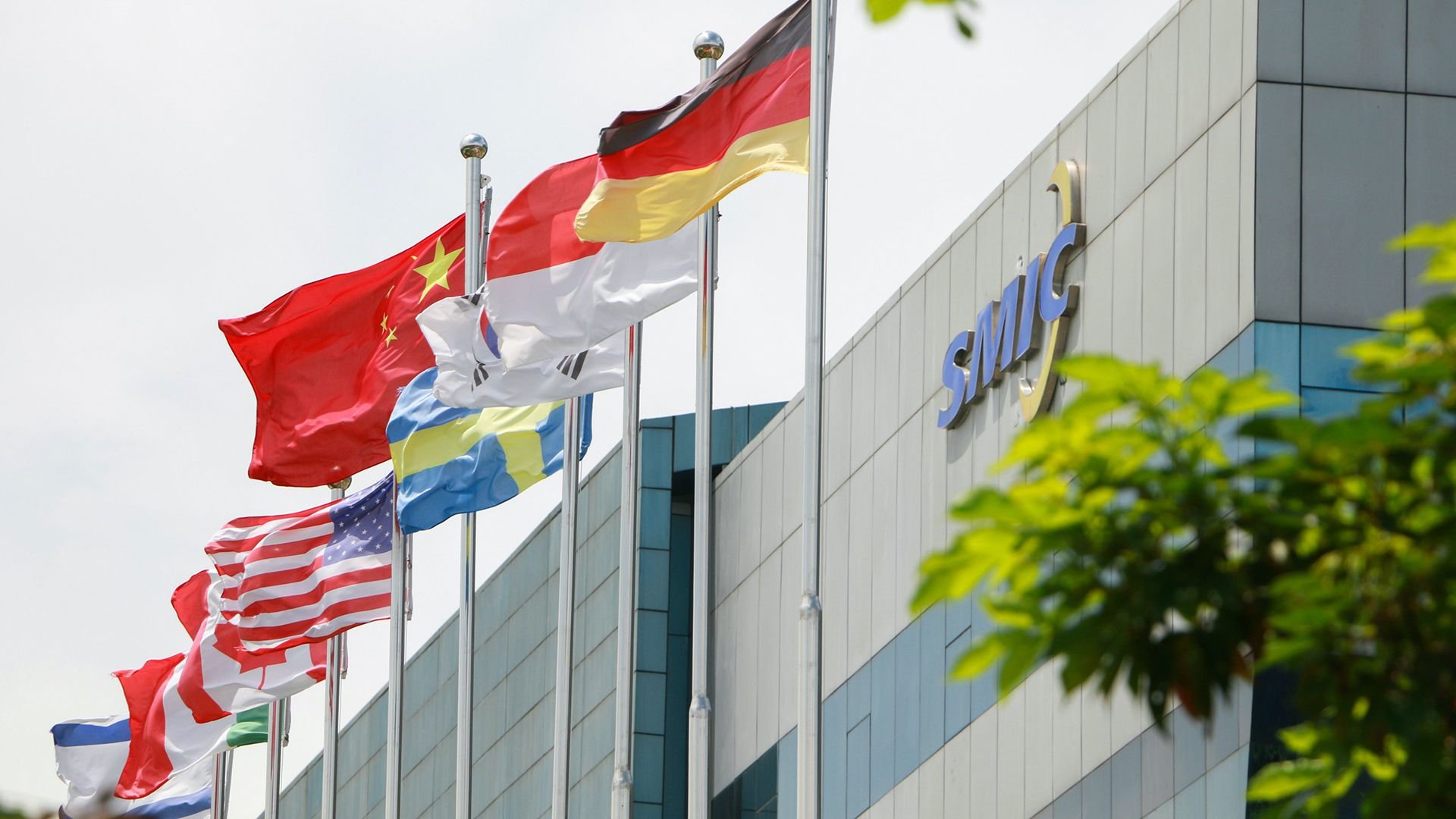
Semiconductor Manufacturing International Co. (SMIC) co-CEO Zhao Haijun has issued a stark warning about the global frenzy to construct artificial intelligence data centers. Speaking during SMIC's recent earnings call, Zhao drew parallels to China's "Eastern Data, Western Computing" initiative of the early 2020s, where hastily-built facilities in remote western regions now suffer from critical utilization issues.
"Companies would love to build 10 years' worth of data center capacity within one or two years," Zhao stated. "As for what exactly these data centers will do, that has not been fully thought through." His comments highlight a fundamental disconnect between infrastructure development and practical application readiness in the AI boom.
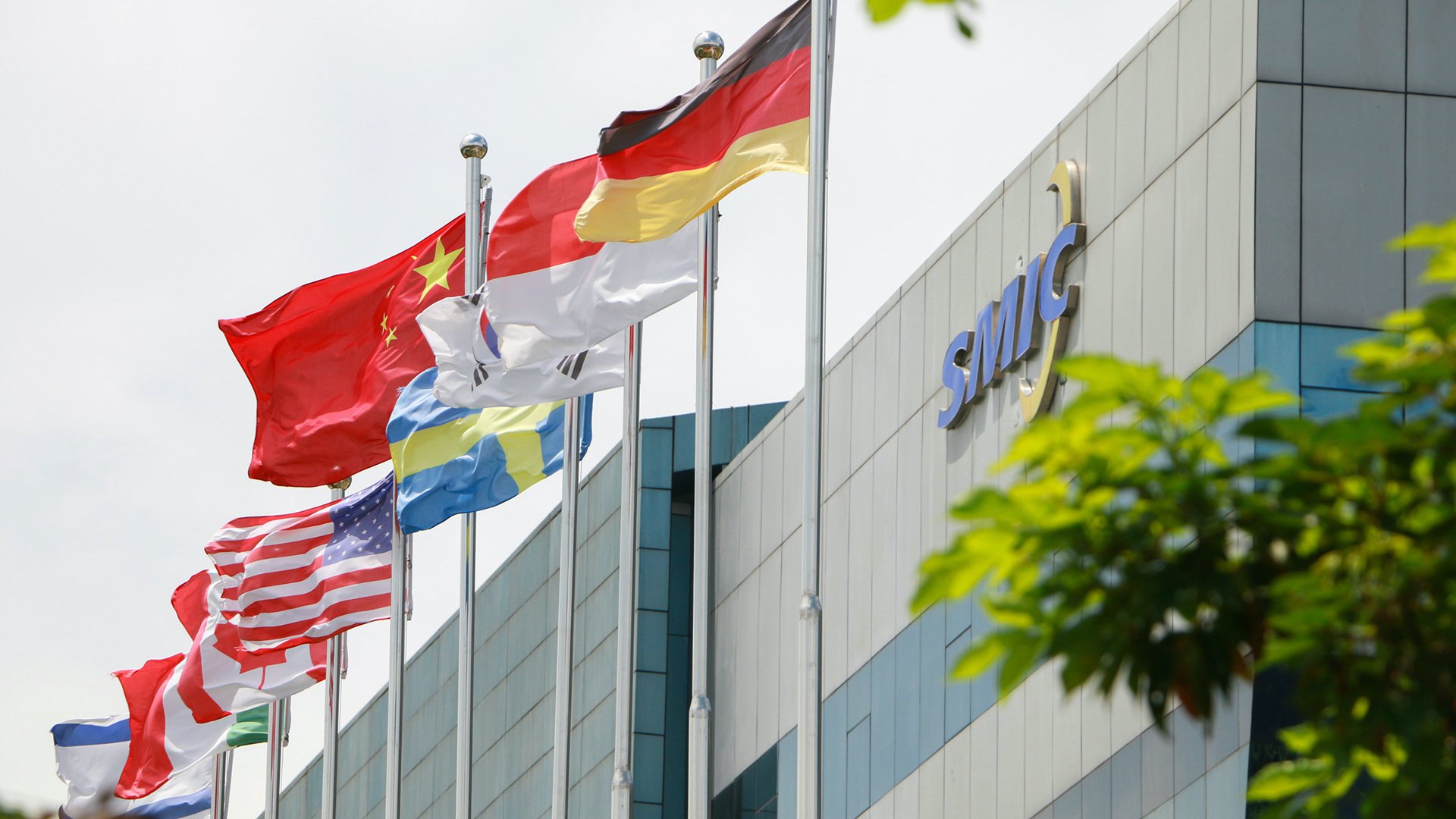 Image credit: SMIC
The technical shortcomings of China's earlier approach reveal why rushed development creates systemic inefficiencies. Under the national initiative, developers constructed massive facilities in western provinces like Gansu and Inner Mongolia to leverage cheaper electricity. However, the geographical distance from economic hubs in eastern China introduced problematic latency (often exceeding 30ms round-trip). This rendered the facilities unsuitable for latency-sensitive AI workloads like real-time inference or interactive applications. Despite projections of 70-80% utilization from state-owned enterprises, many sites operate at just 20-30% capacity according to industry reports.
Market implications are substantial. Moody's Ratings projects $3 trillion in AI infrastructure spending over the next five years, with Alphabet, Amazon, Meta, and Microsoft alone planning $650 billion in 2026 capital expenditures. Chinese tech giants including Alibaba, Tencent, and ByteDance are making parallel investments. Yet Zhao's warning suggests this capital surge precedes proven demand vectors, creating bubble-like conditions. China's Ministry of Industry and Information Technology is attempting corrective measures through a proposed national cloud platform to pool underutilized resources, though implementation faces hurdles due to hardware/software heterogeneity across data centers.
This scenario presents semiconductor manufacturers with a double-edged sword. While SMIC and peers benefit from near-term demand for AI chips, prolonged underutilization could trigger investment pullbacks. As Zhao noted, building infrastructure anticipating traffic growth resembles constructing highways before cars exist - a strategy that risks stranded assets if AI adoption timelines don't match projections.
 Anton Shilov
Comments
Please log in or register to join the discussion