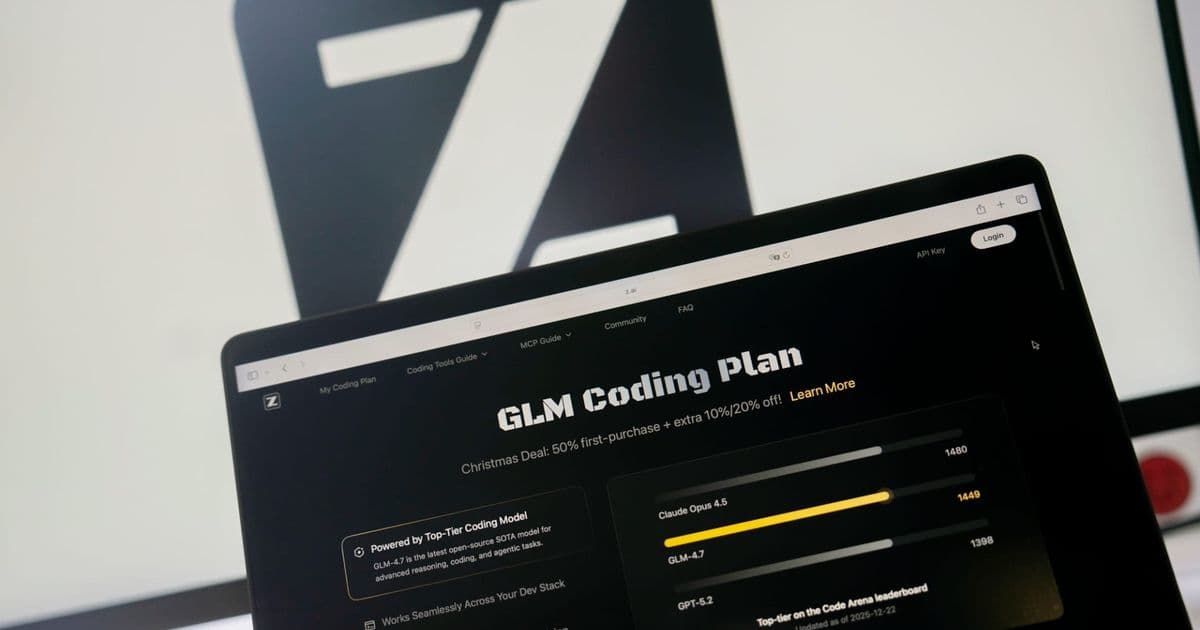
Zhipu AI's 30% stock surge following its GLM-5 release highlights intensifying competition in open-source LLMs, while Elon Musk restructures xAI, Anthropic addresses power demands, and OpenAI navigates ads and team changes.
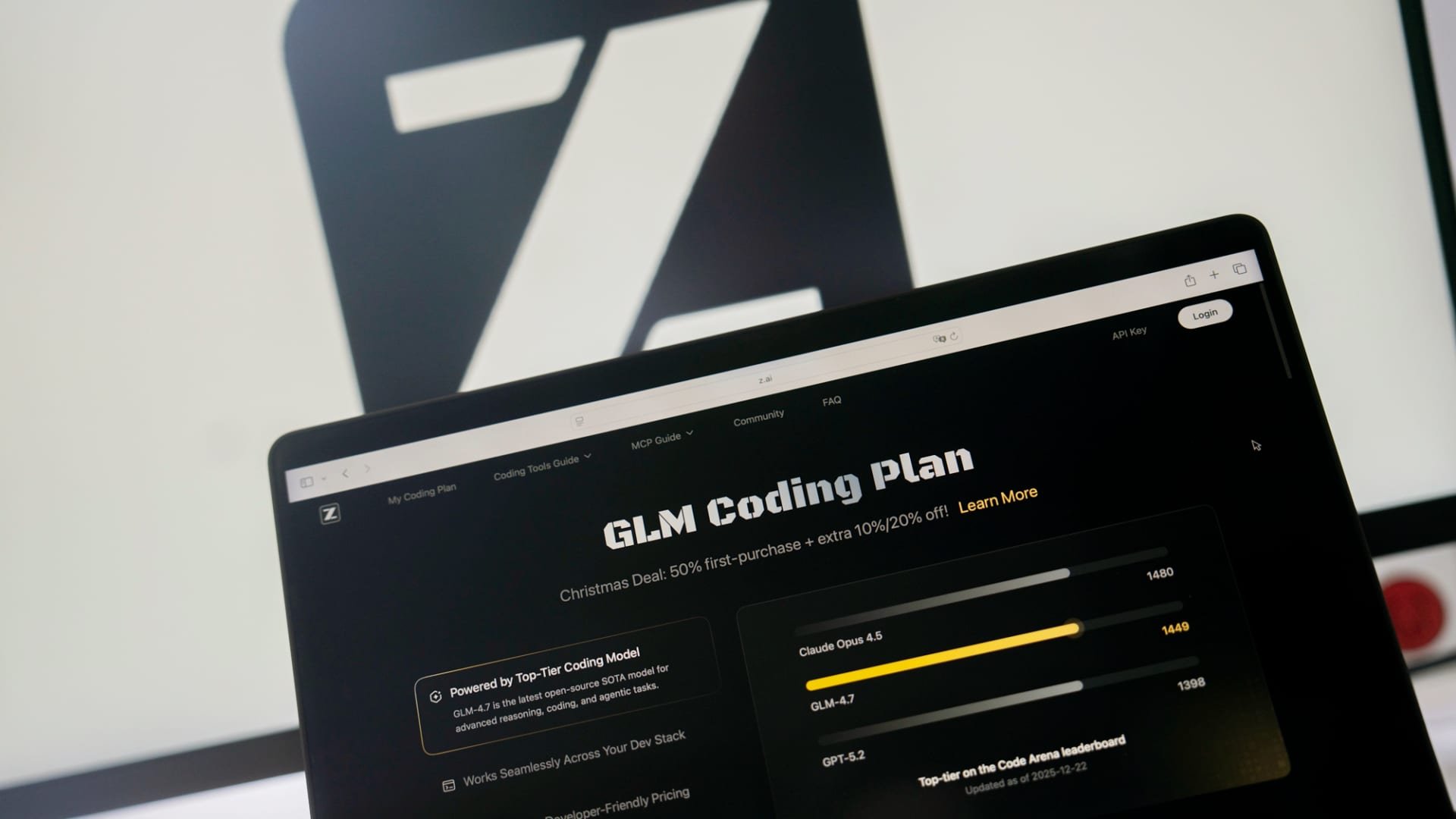
Hong Kong-listed Zhipu AI saw shares surge 30% after unveiling GLM-5, its flagship open-weight language model emphasizing enhanced coding capabilities and long-horizon agentic tasks. The model, positioned as having "best-in-class performance among open-source models in reasoning, coding, and agentic tasks," arrives as enterprise demand for AI infrastructure intensifies. Yet the immediate price hike of 30% for new GLM coding subscriptions—attributed to "surging demand"—raises questions about sustainable adoption amid growing open-source alternatives.
The Open-Source Inflection Point
Zhipu's announcement underscores a strategic pivot toward complex systems engineering, where models autonomously handle extended workflows like software deployment or data analysis. This aligns with broader industry movements: Anthropic recently committed to upgrading power grids to support AI data centers, while OpenAI integrates ads into ChatGPT. The parallel developments reveal a shared focus on scalability, though approaches diverge. Zhipu leans into open-weight transparency, whereas others prioritize proprietary ecosystems.
Market reactions highlight a key tension. Investors rewarded Zhipu's technical ambition—GLM-5 targets gaps in agentic task handling where models like GPT-4 and Claude still face constraints. Yet the subscription price increase risks alienating developers who champion open-source affordability. As one Hacker News commenter noted, "The 30% hike feels like a tax on momentum." This mirrors Meta's struggle to monetize Llama while maintaining community goodwill.
Counterweights and Challenges
Three factors complicate Zhipu's trajectory:
- Competition: Models like Mistral 8x22B offer comparable coding prowess without aggressive pricing. Zhipu's claim of "best-in-class" performance faces scrutiny against benchmarks like LMSys, which tracks open-source model capabilities.
- Infrastructure Demands: Agentic tasks require sustained computational resources, echoing Anthropic's warning about AI's energy footprint. Zhipu hasn't detailed how it will manage these costs long-term beyond passing them to users.
- Regulatory Shadows: The Pentagon's push to deploy OpenAI and Anthropic tools on classified networks illustrates government pressure for compliant AI. As a China-based firm, Zhipu may face geopolitical headwinds in Western markets.
The Broader Landscape
Elsewhere, AI's infrastructure and ethics debates accelerated:
- xAI Reorganization: Elon Musk restructured his AI venture into four divisions (Grok, Coding, Imagine, Macrohard) after two co-founders departed, signaling internal recalibration.
- OpenAI's Shifts: Researcher Zoë Hitzig resigned over "deep reservations" about ads, coinciding with the disbanding of OpenAI's mission alignment team.
- Hardware Pressures: Apple delayed its Siri overhaul to iOS 26.5, while Anthropic expanded Claude's free tier—a contrast to Zhipu's monetization push.
The GLM-5 surge reflects a market betting on open-source's enterprise potential. But as Coinbase launches agentic crypto wallets and Robinhood tests a trading-focused L2 network, the real test lies in balancing innovation with accessibility. Zhipu's next challenge: proving its agentic tools justify higher costs without ceding ground to leaner rivals.
Image: Featured image of AI technology
Comments
Please log in or register to join the discussion