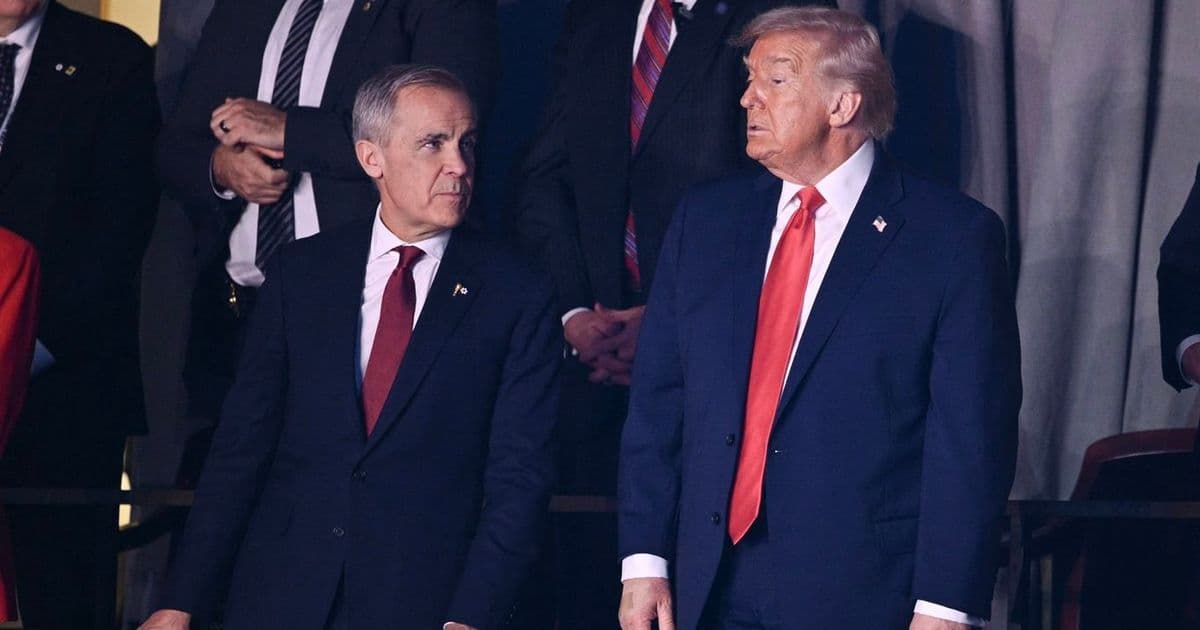
Significant Republican opposition emerges against former President Trump's proposed tariffs on Canadian goods, exposing party fractures and threatening North American trade stability.
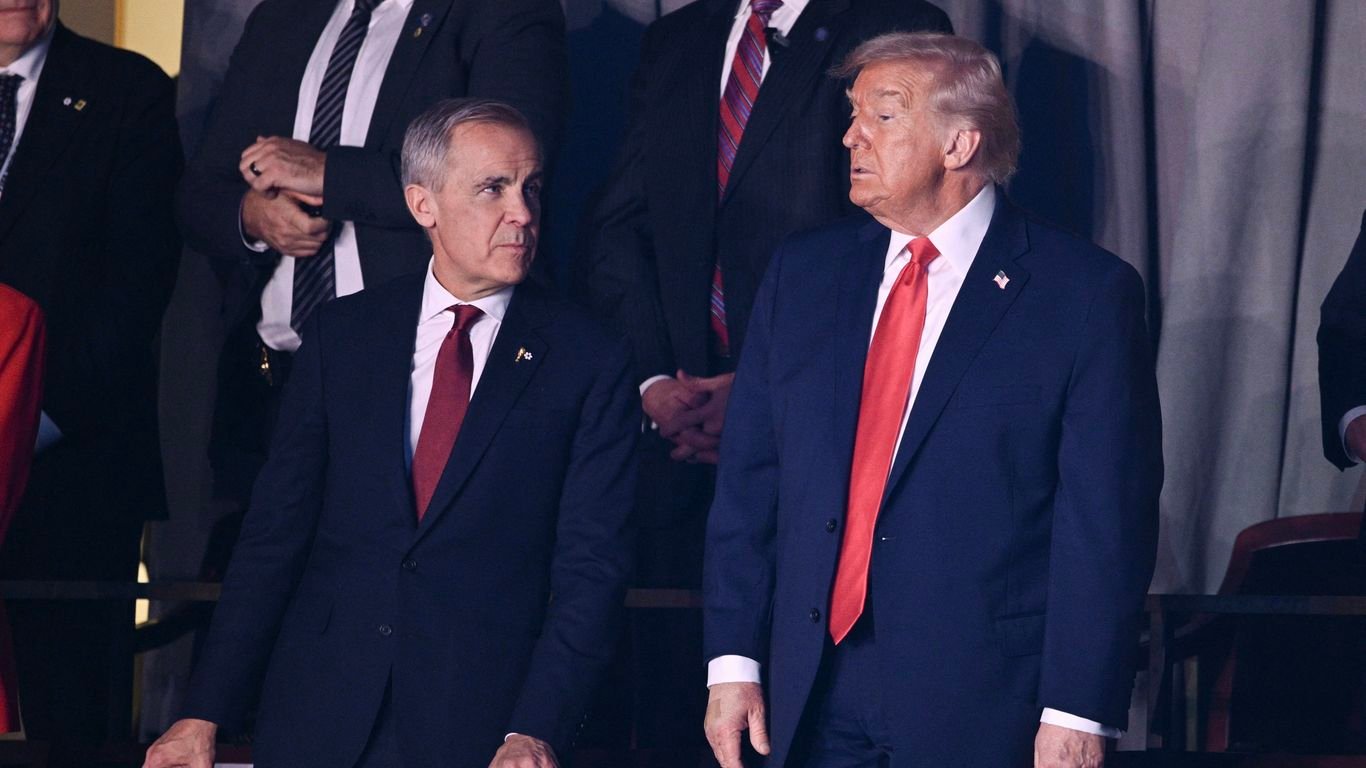
A coalition of House Republicans has publicly rebuked former President Donald Trump's proposed tariffs on Canadian imports, marking a rare intra-party challenge to the presumptive GOP nominee's trade agenda. The dissent emerges amid heightened economic sensitivities as U.S.-Canada bilateral trade reached $793 billion in 2023, with automotive parts, lumber, and agricultural products comprising 58% of exchanged goods.
The proposed tariffs—reportedly targeting Canadian steel, aluminum, and dairy products at rates between 10-25%—represent a revival of Trump's 2018 trade policies that previously triggered $16.6 billion in Canadian retaliatory measures. This latest proposal comes despite the USMCA agreement's successful renegotiation in 2020, which stabilized North American supply chains currently supporting 12 million U.S. jobs.
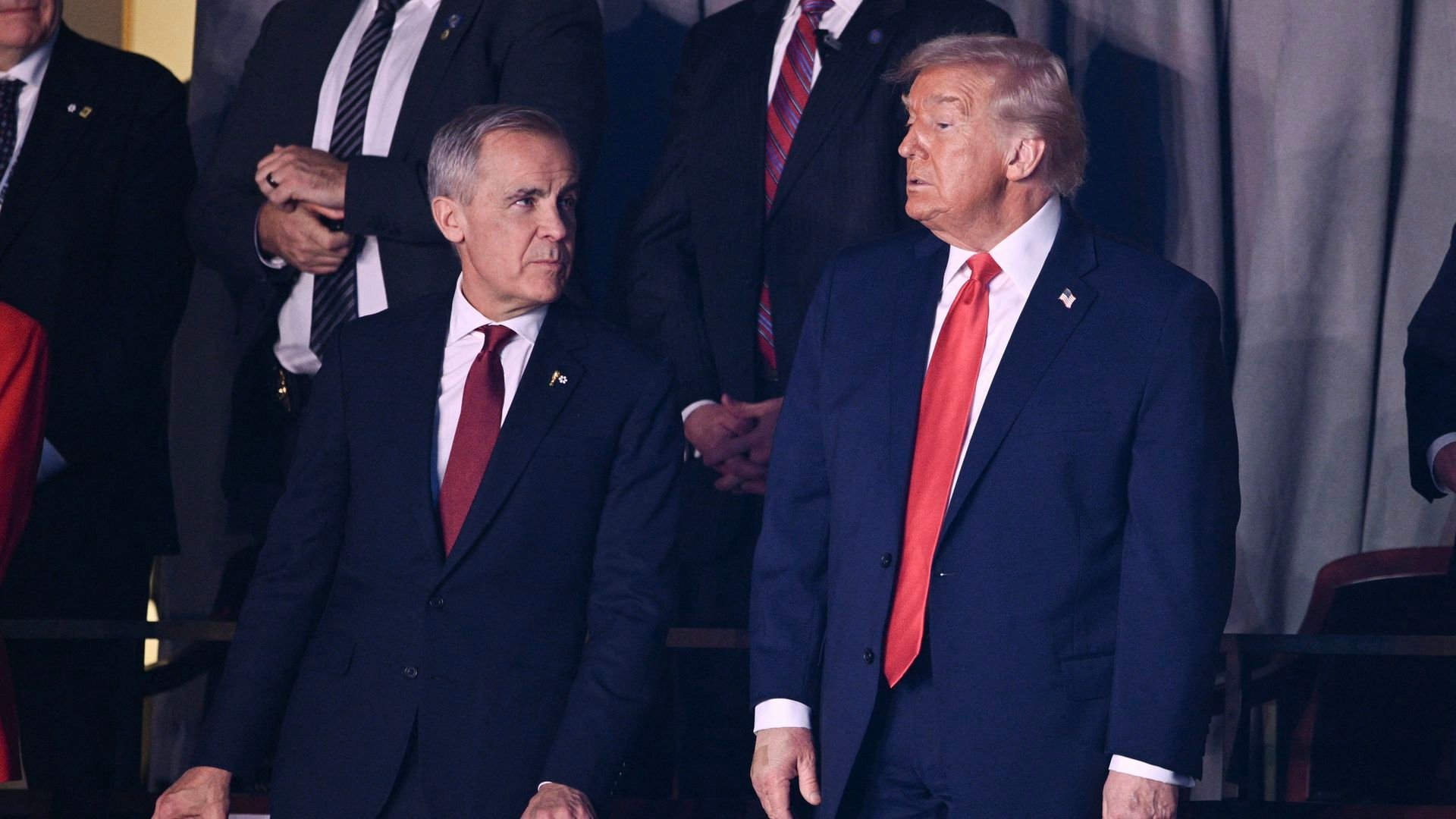
Market Context and Sector Exposure Analysis shows Midwestern manufacturing states would bear disproportionate impact, with Michigan, Ohio, and Wisconsin accounting for 41% of U.S.-Canada automotive trade. Industry projections indicate potential 3-5% price increases for consumer vehicles and 15% cost inflation for construction materials if tariffs proceed. The S&P/TSX Composite Index fell 0.8% following news of the Republican dissent, reflecting investor concerns over trade disruption.
Strategic Implications The Republican opposition—led by members from border states and traditional manufacturing districts—signals deepening policy fractures ahead of the election. Notably, 73% of the dissenting representatives represent districts where Canada ranks among the top three export markets. This rebellion complicates Trump's ability to unilaterally reshape trade policy, increasing leverage for legislative checks on executive tariff authority.
Forward Outlook The White House has not yet issued an official position, but Canadian officials have privately warned of contingency measures. Economists at the Peterson Institute estimate that full tariff implementation could reduce bilateral trade volume by 12% within 18 months. With Canada supplying 17% of U.S. crude oil imports and 25% of uranium for nuclear plants, energy security considerations may ultimately temper tariff ambitions despite political rhetoric.
Comments
Please log in or register to join the discussion