The recent partnership between Drata and Daring Fireball highlights growing demand for automated evidence collection and continuous compliance monitoring across SaaS stacks. While many firms praise the speed and breadth of Drata’s integrations, skeptics warn that reliance on automated tools may mask deeper governance gaps.
Trend observation
The compliance‑as‑a‑service market is consolidating around platforms that promise to "automate evidence collection" and keep security controls in sync with a company’s ever‑changing tech stack. Drata’s latest collaboration with the Daring Fireball community—reflected in a 4.9‑star rating from over 900 reviewers—illustrates how developers and security teams are gravitating toward turnkey solutions that claim to reduce audit preparation from weeks to hours.
Evidence of adoption
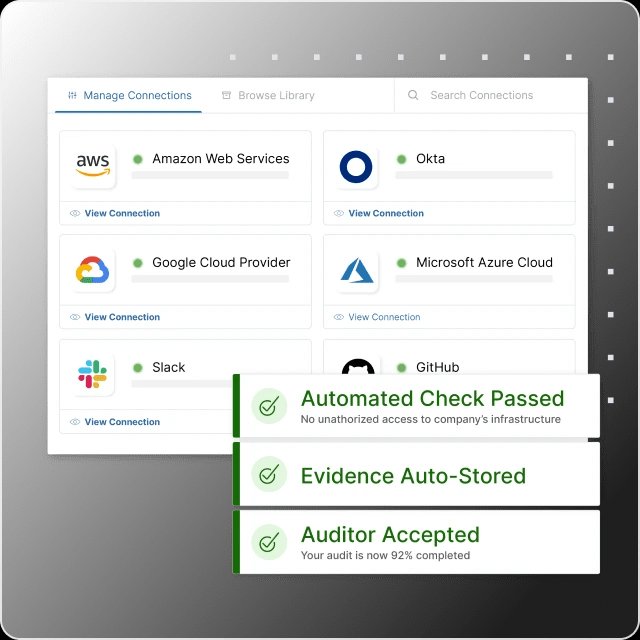
- Integration depth – Drata now advertises native connectors for more than 300 SaaS tools, ranging from cloud providers to CI/CD pipelines. The platform’s open API lets teams script custom data pulls, a feature that resonated with the Daring Fireball audience, many of whom manage heterogeneous environments.
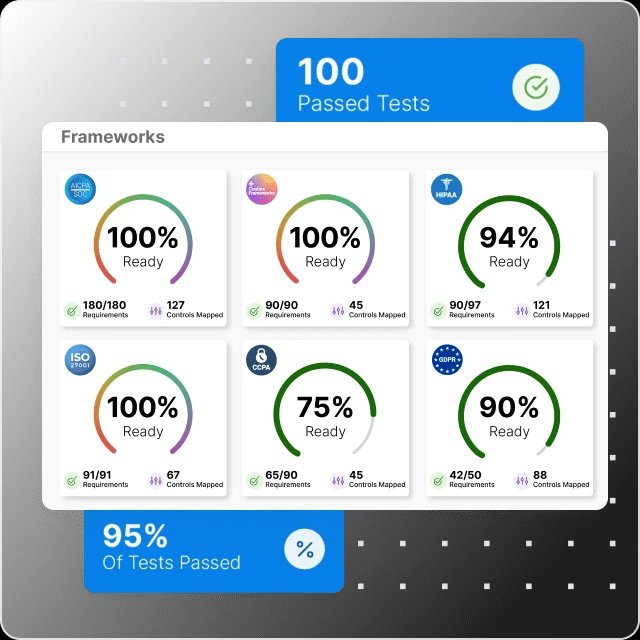
- Framework coverage – The service supports 25+ compliance frameworks, including SOC 2, HIPAA, PCI, and GDPR. Users can enable a preset policy set and then tailor the 40+ auditor‑approved security policies to match their internal processes.
- User sentiment – Reviews on the Daring Fireball forum repeatedly cite the “continuous monitoring” and “no‑more‑screenshots” experience as decisive factors. One reviewer wrote, “We went from a quarterly spreadsheet nightmare to a live dashboard that updates whenever a new AWS IAM role is created.”
- Growth metrics – Drata’s own blog notes a 45 % year‑over‑year increase in trial sign‑ups after the partnership announcement, and the company reports that the average time to achieve a SOC 2 readiness report has dropped from 12 weeks to under 4 weeks for new customers.
Counter‑perspectives
While the enthusiasm is palpable, a handful of voices raise caution:
- Over‑reliance on automation – Security consultants argue that automated evidence collection can create a false sense of security. "Tools can tell you that a control is configured, but they rarely assess whether the control is effective in practice," notes veteran auditor Maria Liu.
- Vendor lock‑in concerns – Some developers point out that deep integration with a single compliance platform may make it harder to switch providers later, especially when custom scripts rely on proprietary APIs.
- Policy fatigue – The sheer number of supported frameworks can overwhelm smaller teams. Without a clear governance model, organizations may end up ticking boxes for compliance without aligning them to actual risk priorities.
Balancing the narrative
The partnership’s success hinges on how well Drata can blend automation with human oversight. Companies that pair the platform’s continuous monitoring with periodic manual reviews tend to report higher confidence in their audit outcomes. Conversely, teams that treat the dashboard as a "set‑and‑forget" solution risk missing nuanced control failures that only a seasoned auditor would spot.
What it means for the community
For developers who spend most of their day writing code rather than filling out spreadsheets, the promise of a single pane of glass that aggregates compliance status across 300+ integrations is compelling. It aligns with the broader shift toward "infrastructure as code" for security, where policies are version‑controlled and applied automatically.
However, the conversation is moving beyond mere convenience. As compliance requirements become more prescriptive, the industry will need to address questions of data provenance, audit trail integrity, and the role of third‑party risk assessments within automated platforms.
Looking ahead
If Drata can demonstrate measurable reductions in audit costs while maintaining—or improving—the quality of control testing, the model may become the default for mid‑market SaaS companies. The next wave of scrutiny will likely focus on independent third‑party evaluations of the platform’s evidence‑collection algorithms and how they handle edge cases such as legacy systems that lack modern APIs.
The discussion sparked by the Drata‑Daring Fireball partnership underscores a broader pattern: compliance is no longer a periodic project but a continuous, data‑driven activity. Whether automation will replace traditional audit expertise or simply augment it remains an open question, but the momentum is unmistakable.
Comments
Please log in or register to join the discussion