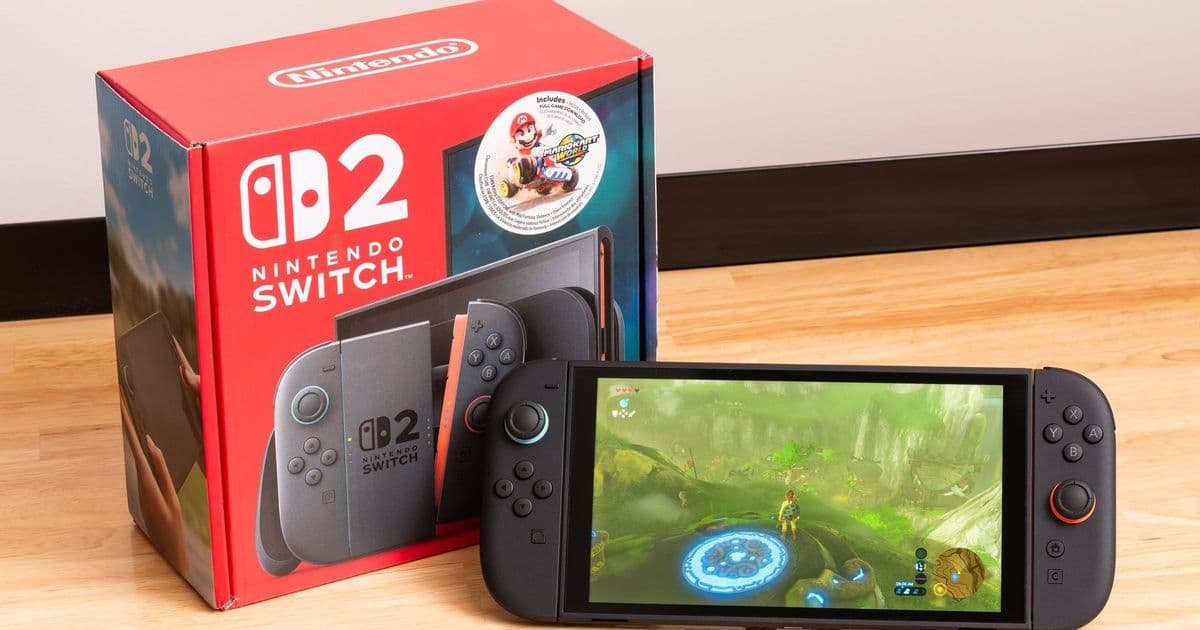
The global memory and storage chip shortage is now impacting gaming consoles, with Sony reportedly considering pushing back the PlayStation 6 to 2029 and Nintendo contemplating a price increase for the Switch 2 in 2026.
The global memory and storage chip shortage that has been driving up RAM, SSD, and GPU prices is now spreading its impact beyond PC components and into the gaming console market. According to a recent Bloomberg report, both Sony and Nintendo are being forced to make significant strategic adjustments to their hardware plans due to the ongoing semiconductor crisis.
Sony's Strategic Delay: Pushing PS6 to 2029
Sony Group Corp. is reportedly considering pushing back the debut of its next PlayStation console to 2028 or even 2029, according to people familiar with the company's thinking. This would represent a major upset to Sony's carefully orchestrated strategy to sustain user engagement between hardware generations.
The decision appears to be driven by the company's desire to wait for more favorable pricing on memory and storage components. With the current shortage showing no signs of immediate resolution, Sony seems willing to extend the lifecycle of the PlayStation 5 rather than launch a new console at inflated component costs.
This delay strategy makes sense from a business perspective. Sony has historically operated on longer hardware cycles, and extending the PS5's lifespan by several years could allow the company to avoid launching the PS6 in a market where component costs remain prohibitively high. The company likely has long-term agreements in place with memory chip suppliers, but these may not be sufficient to shield them from the current market realities.
Nintendo's Different Approach: Price Hikes for Switch 2
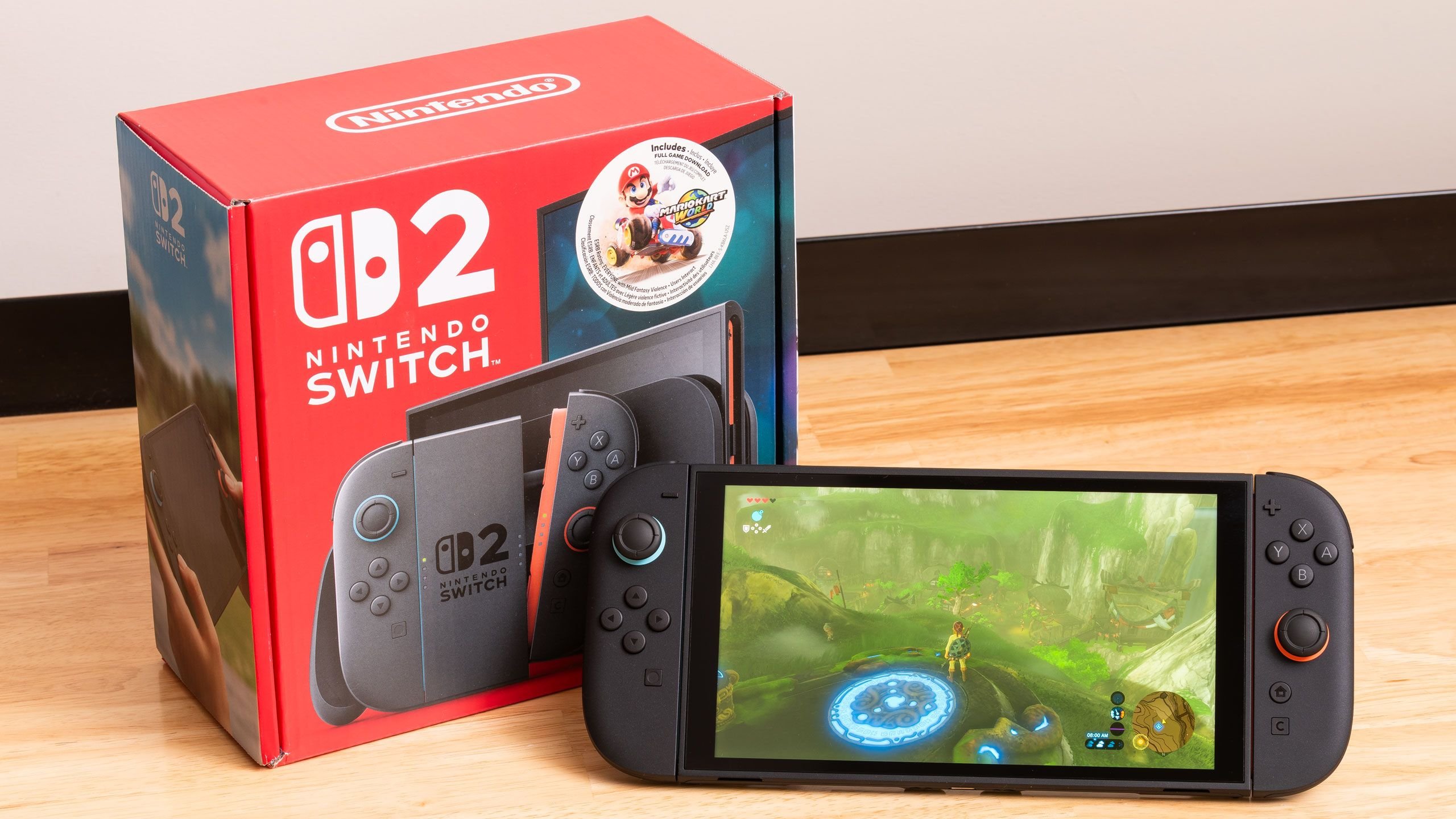
While Sony is looking at delaying its next console, Nintendo appears to be taking a different approach. The company is reportedly contemplating raising the price of the Switch 2 in 2026, according to sources familiar with its plans.
This strategy aligns with Nintendo's historical approach to hardware pricing. The company has previously increased prices of its consoles in response to economic pressures. For example, the original Nintendo Switch saw its price increased by $30 to $50 during challenging market conditions.
Nintendo's willingness to raise prices rather than delay the Switch 2 suggests the company may be more confident in the console's market position or may have less flexibility in its launch timeline. The Switch 2 has already generated significant anticipation, and Nintendo may believe that consumers will accept a higher price point rather than face a delayed launch.
The Root Cause: AI and Data Center Demand
The underlying cause of these console industry disruptions is the massive demand from data centers and AI hyperscalers. Chip manufacturers like Micron, Samsung, and SK hynix have reduced their output for consumer memory products as they prioritize higher-margin enterprise customers.
This shift in manufacturing priorities has created a ripple effect throughout the consumer electronics supply chain. What began as shortages affecting PC components like RAM, SSDs, and GPUs is now spreading to gaming consoles and handheld devices.
Broader Industry Impact
The console industry is just the latest to feel the pinch of the memory shortage. Valve recently announced that Steam Deck availability has become intermittent due to the current situation. Mobile phones are expected to be the next consumer electronics category affected, followed by automobiles.
Modern vehicles are particularly vulnerable to memory shortages, as nearly every feature in contemporary automobiles requires DRAM and NAND flash storage. From advanced driver assistance systems to infotainment displays, the automotive industry's reliance on memory chips makes it especially susceptible to supply chain disruptions.
Timeline Uncertainties
Industry analysts are divided on how long the memory chip shortage will last. Some estimates suggest it could continue for as long as a decade, while others believe that memory chip fabrication facilities will catch up with demand by 2028 or 2029.
This uncertainty is precisely what's driving the different strategic responses from Sony and Nintendo. Sony appears to be betting on a longer-term resolution, while Nintendo is preparing to absorb higher costs in the near term.
Market Implications
These developments have significant implications for the gaming industry. A delayed PS6 could extend Sony's competitive advantage in the console market, as the PlayStation 5 would maintain its position as the most powerful console available for a longer period.
For Nintendo, a price increase for the Switch 2 could impact its traditionally more price-sensitive customer base. However, the company's strong brand loyalty and the anticipated demand for the new console may help mitigate potential negative reactions.
The situation also highlights the interconnected nature of the global semiconductor supply chain. What began as a shortage affecting specific components has now cascaded through multiple industries, forcing companies to make difficult strategic decisions about product launches, pricing, and market positioning.
As the memory shortage continues to evolve, it will be crucial to monitor how these strategies play out and whether other console manufacturers or gaming hardware companies face similar pressures. The coming years could see significant shifts in the gaming industry landscape as companies adapt to these unprecedented supply chain challenges.
Comments
Please log in or register to join the discussion