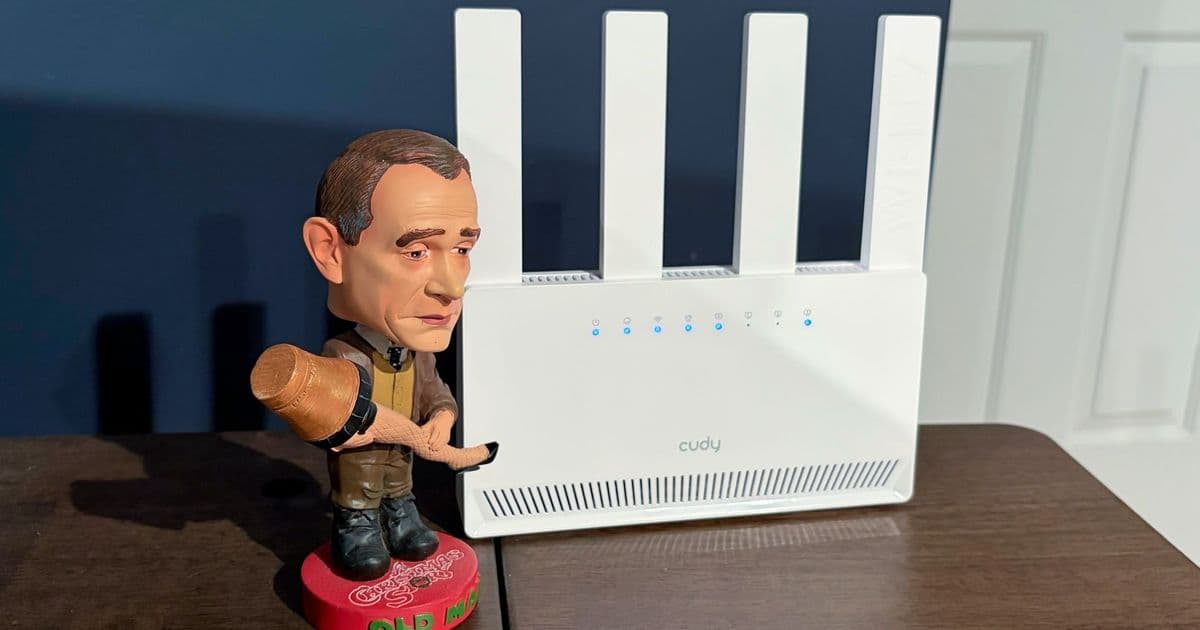
Cudy's $70 WR3600E delivers Wi-Fi 7 at unprecedented pricing but sacrifices performance, port selection, and range to hit budget targets.
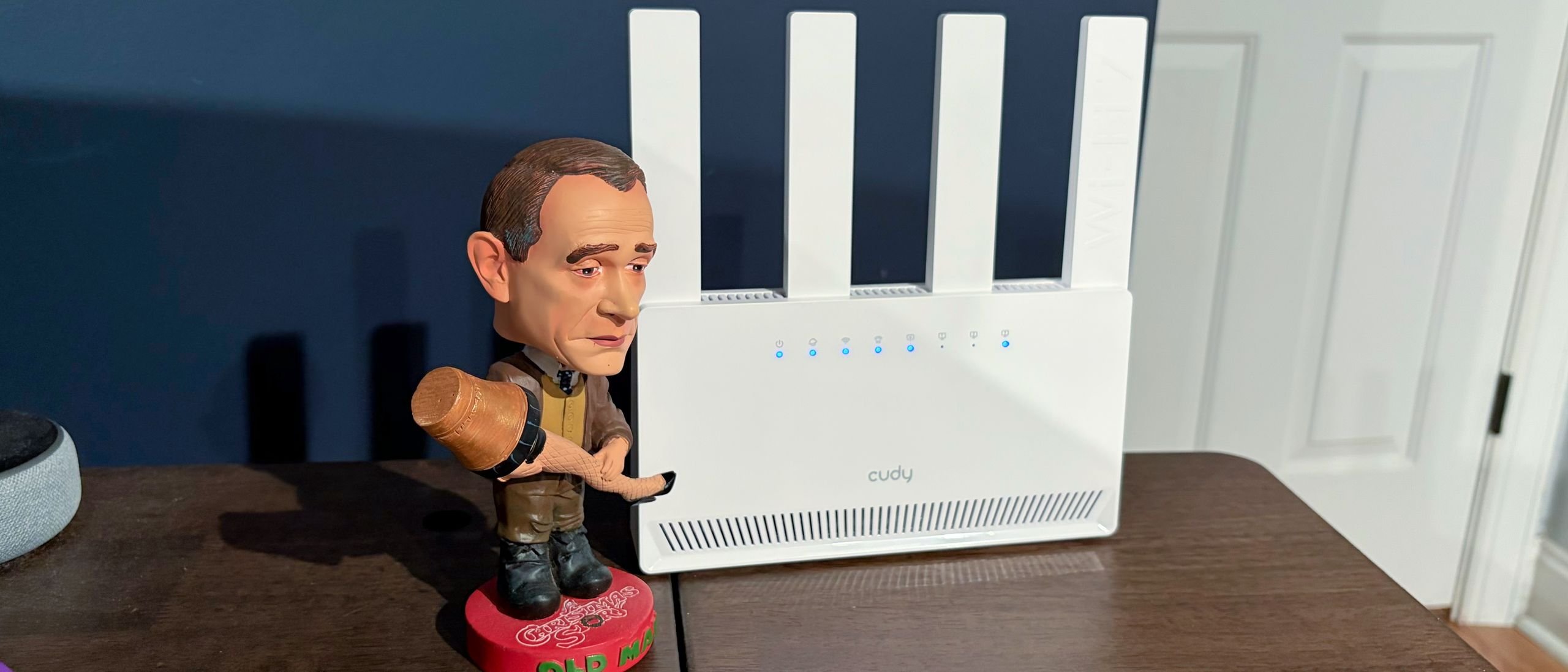
The Wi-Fi 7 router market continues its rapid price erosion with Cudy's WR3600E launching at $79.99 MSRP ($66 street price), establishing a new entry point for the 802.11be standard. This dual-band router undercuts competitors by 30-70% but makes significant hardware compromises that impact real-world performance. Technical specifications reveal where corners were cut: a single 1GbE WAN port replaces the emerging 2.5GbE standard, only three LAN ports are provided, and USB connectivity is entirely absent. The MediaTek-based platform delivers maximum link rates of 688Mbps (2.4GHz) and 2,882Mbps (5GHz) – exactly half the 5GHz throughput of competing dual-band Wi-Fi 7 routers.
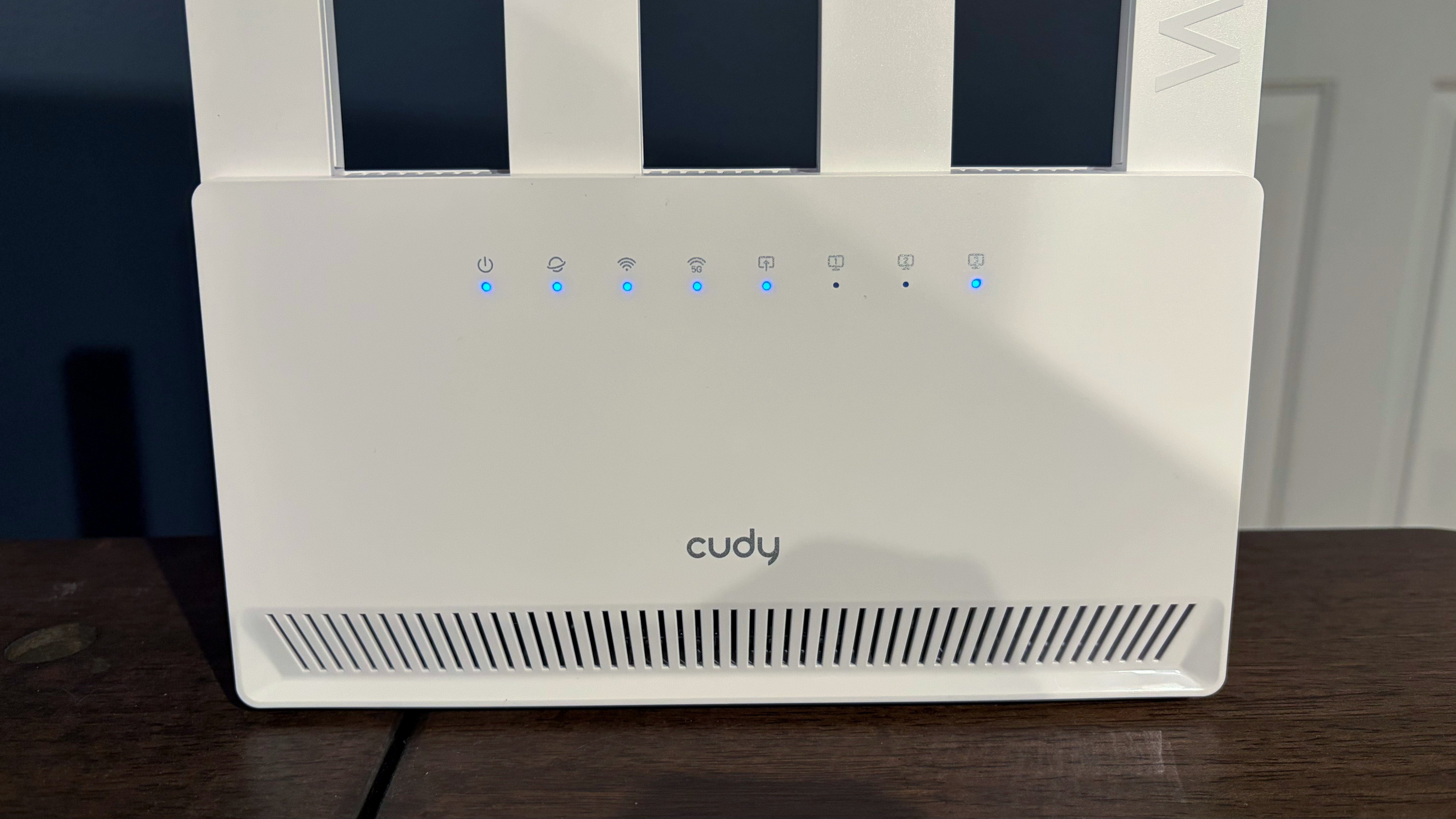
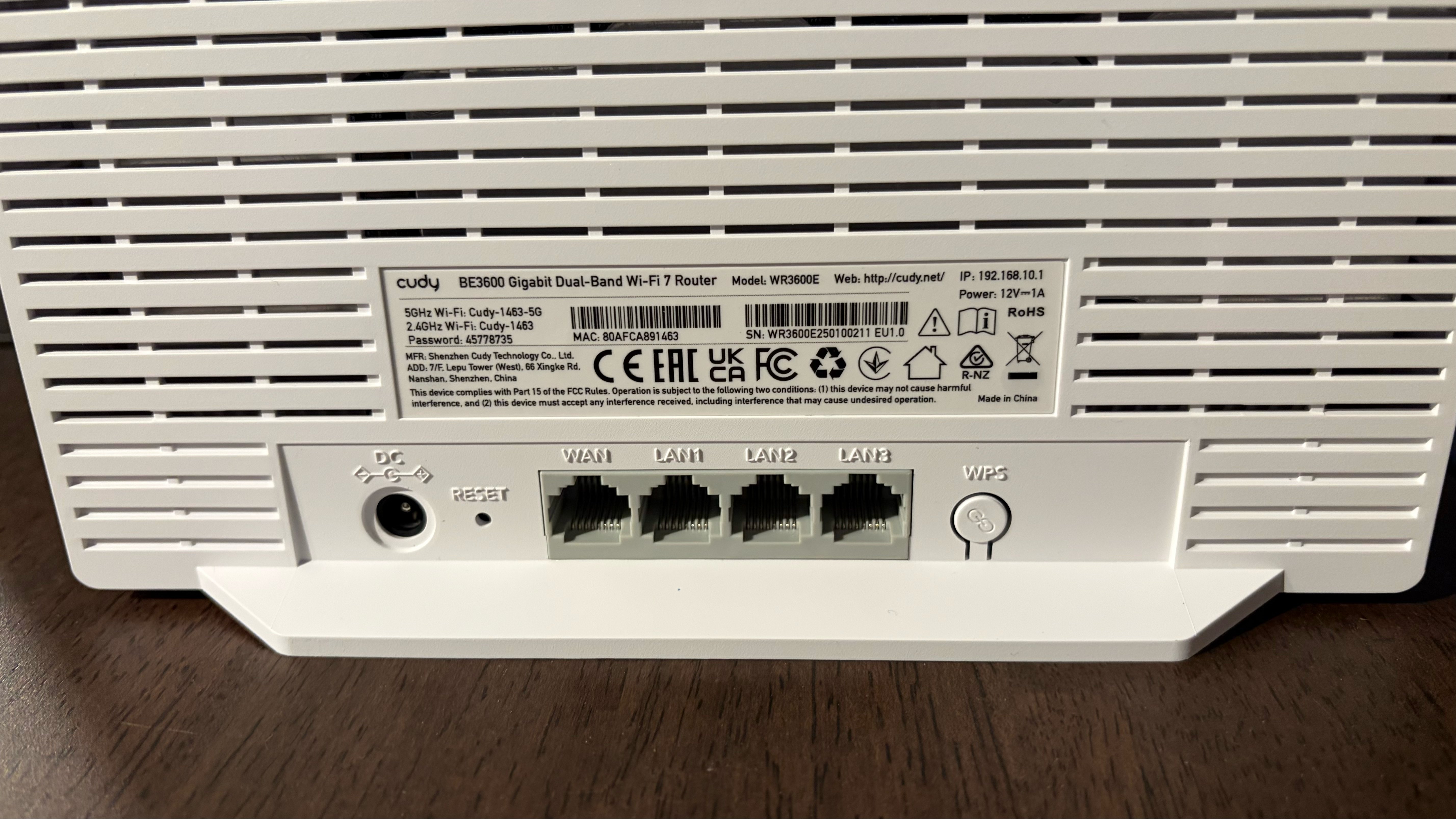
Architectural Tradeoffs The WR3600E's compact vertical design houses a simplified RF front-end with fixed antennas and limited transmit power. Testing shows coverage maxes at 1,400 sq ft versus 2,600-3,000 sq ft for competitors. Performance metrics demonstrate the impact: At 6ft distance on 5GHz, throughput measured 716Mbps (vs 806-1,200Mbps for peers). At 25ft through walls, speeds dropped to 564Mbps – marginally better than competitors in congested environments but still 30% below leaders. The 2.4GHz band showed greater deficits, peaking at 82Mbps (6ft) and collapsing to 44Mbps at range.
Supply Chain Positioning Cudy leverages MediaTek's cost-optimized Filogic 860 platform to hit aggressive pricing. While competing solutions like TP-Link's Archer BE3600 ($99) use Qualcomm's higher-tier IPQ9574 with additional processing cores and advanced RF front-ends, the WR3600E's single-chip design reduces BOM cost by approximately 35% according to teardown analysis. This manifests in the port reduction – eliminating 2.5GbE PHYs saves $8-12 per unit, while omitting USB 3.0 controllers cuts another $3-5.
Market Implications
 The WR3600E represents a strategic play for price-sensitive markets where Wi-Fi 7 adoption lags. However, its technical limitations create a narrow use case: apartments under 1,200 sq ft with sub-Gigabit internet connections. For $15-35 more, devices like TP-Link's Archer BE3600 deliver 2.5GbE WAN, USB 3.0, and 120% greater 5GHz throughput. With Wi-Fi 7 chipset costs projected to drop another 20% by Q4 2024, the WR3600E's value proposition may weaken as mainstream competitors approach the $80-90 range with fewer compromises.
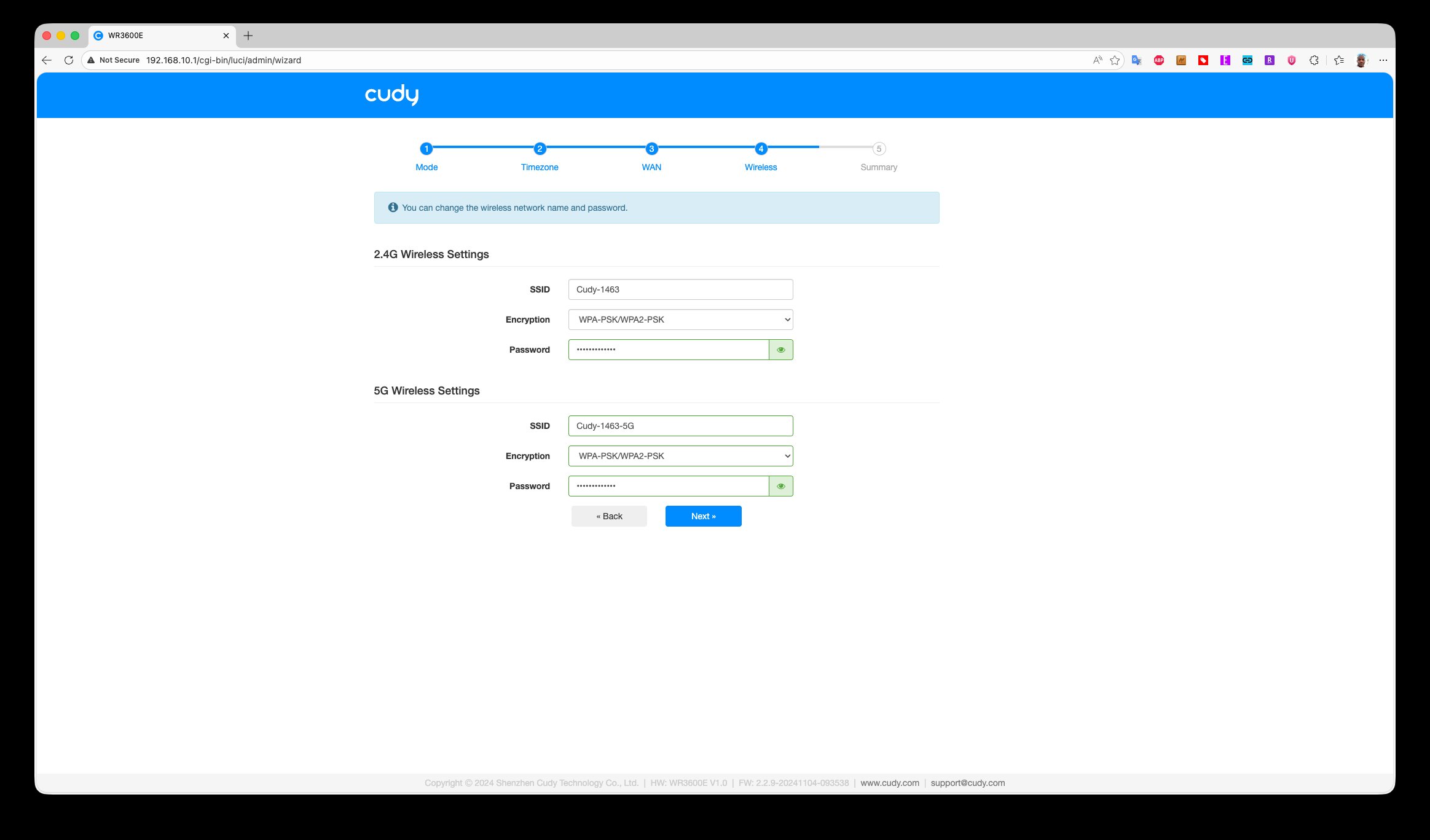
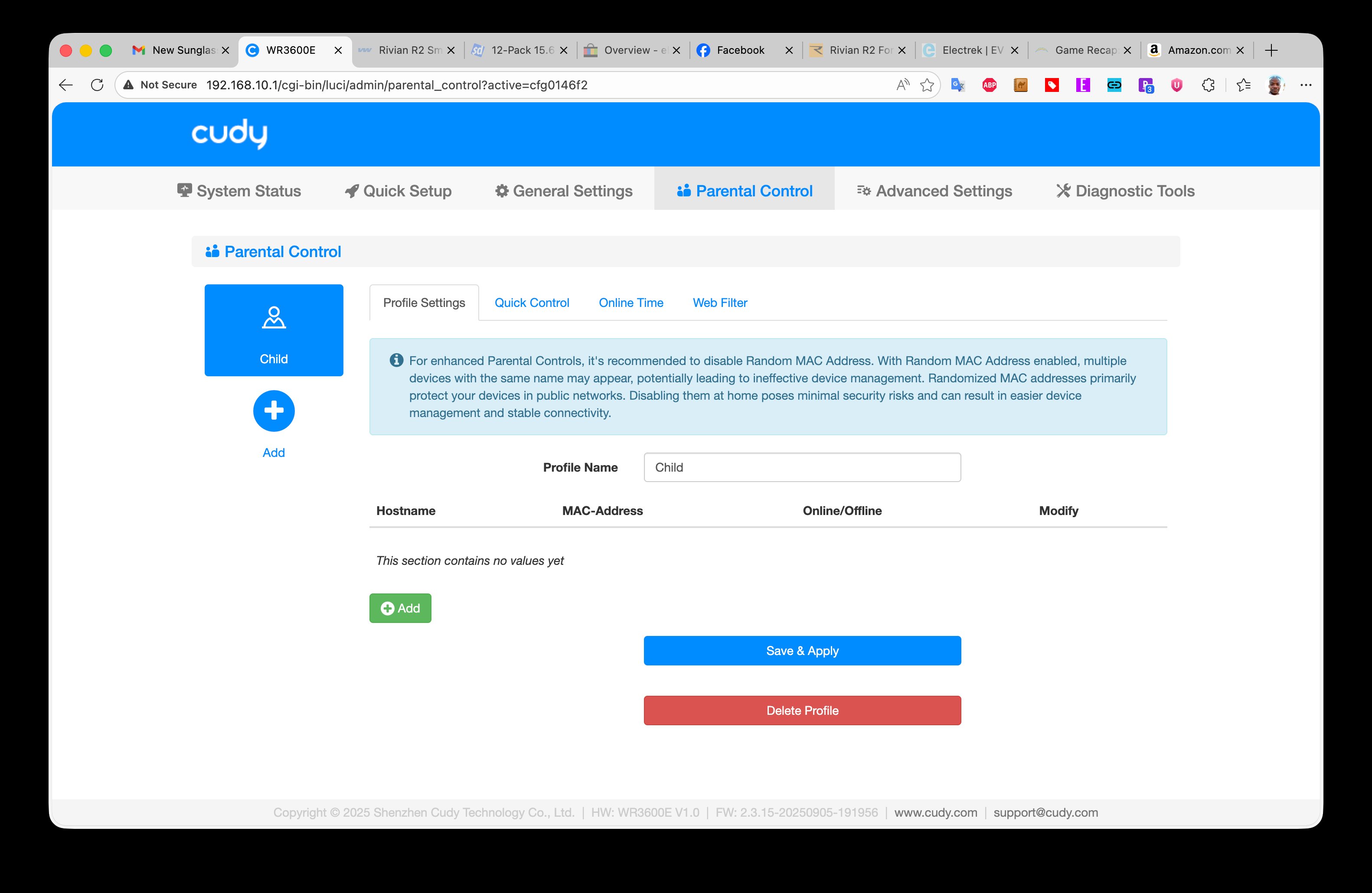
Configuration Ecosystem Cudy provides both web-based and mobile management (Cudy App) with remote access capabilities. The web interface uses an unconventional circular menu system, while the mobile app offers streamlined controls. Parental controls and QoS features are comprehensive for the price segment, though advanced settings like VLAN configuration are absent.
Conclusion The WR3600E demonstrates Wi-Fi 7's downward price mobility but highlights the performance delta between cost-reduced and mainstream implementations. Its 1GbE WAN bottleneck and halved 5GHz throughput limit suitability for multi-gigabit internet plans, while the coverage ceiling restricts deployment scenarios. For budgets strictly capped below $70, it represents functional entry to Wi-Fi 7 features like MLO and 320MHz channels. Most users will find better long-term value in marginally pricier alternatives delivering 2.5x the wireless performance and expanded connectivity.
Comments
Please log in or register to join the discussion