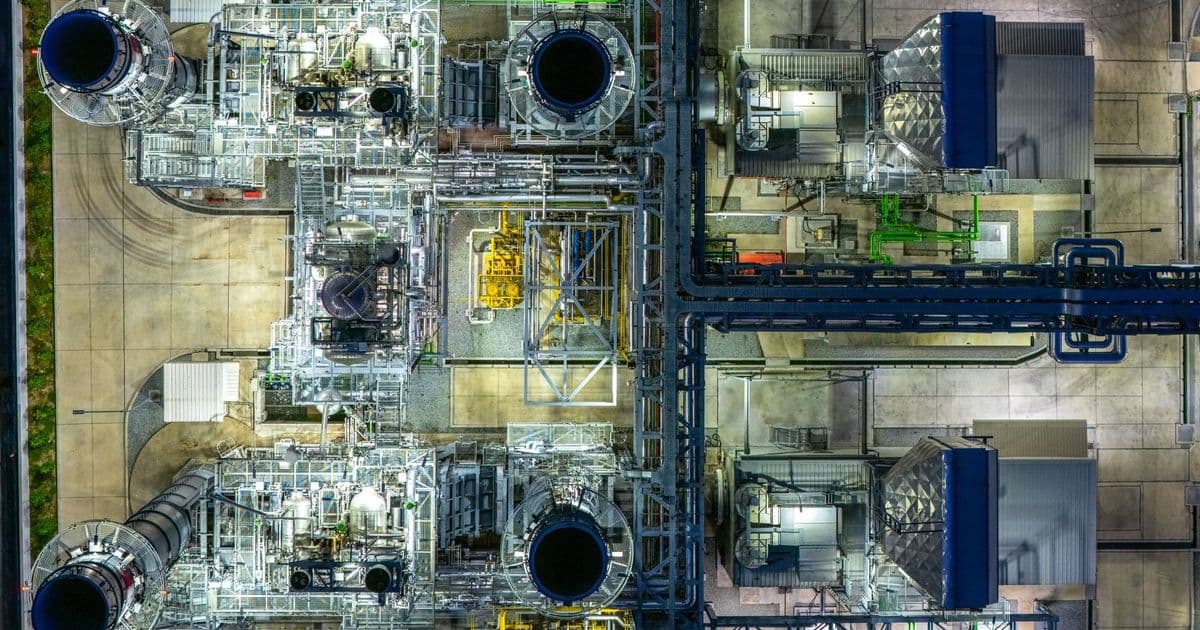
Accelerating AI data center deployments are bypassing overloaded power grids through private natural gas generation, creating a 'Shadow Grid' with projects consuming electricity equivalent to major metropolitan areas.
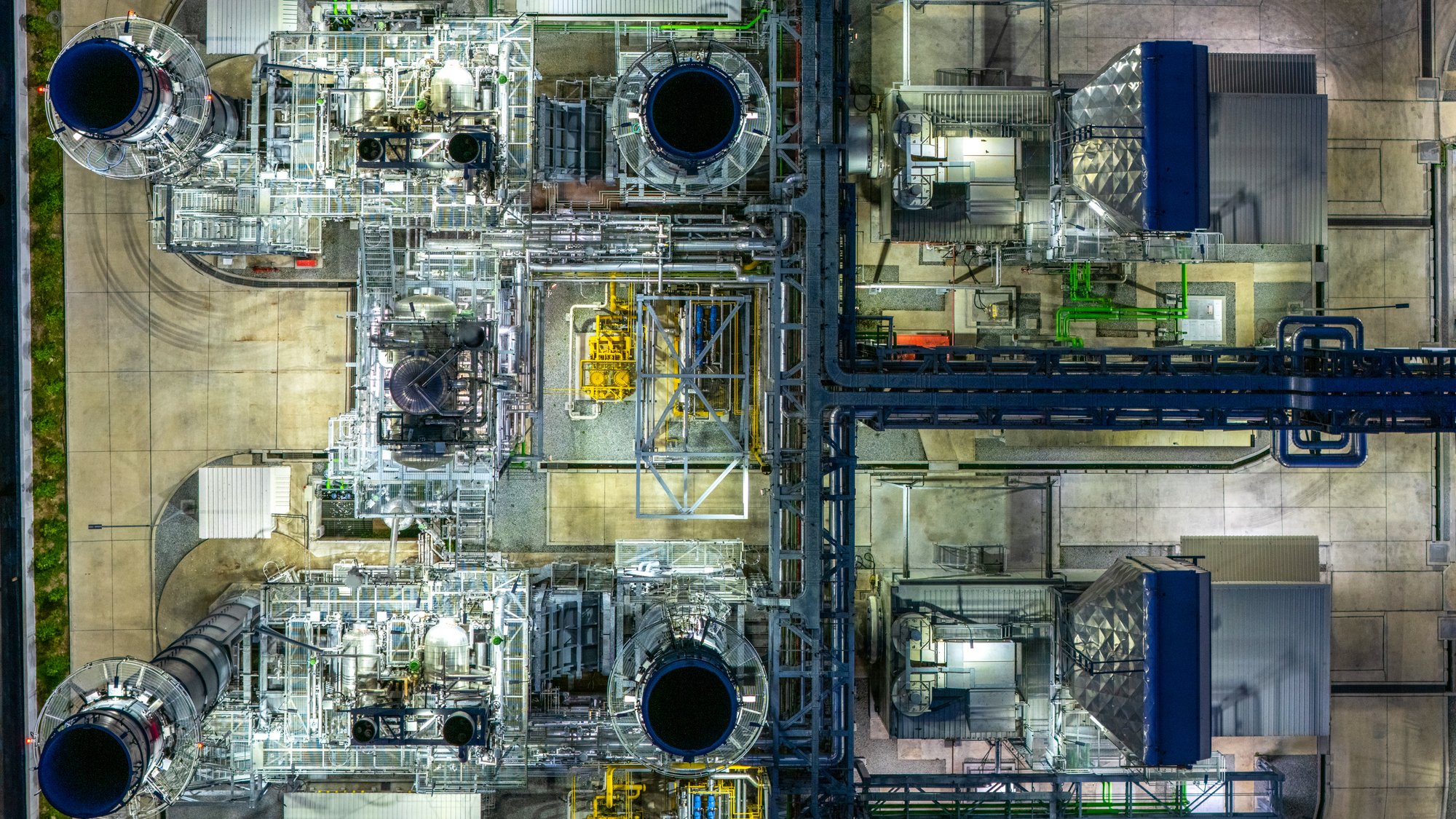
Data center operators racing to deploy AI infrastructure are increasingly constructing private natural gas-fueled power plants, circumventing strained public grids facing multi-year connection queues. This emerging 'Shadow Grid' strategy enables rapid deployment but introduces significant environmental and operational challenges.
Energy-tracking firm Cleanview identifies 47 such projects nationwide. Among them, the GW Ranch facility in West Texas combines natural gas turbines with solar panels to generate 1.7 gigawatts - equivalent to Chicago's residential consumption. Similarly, Mason County, West Virginia's planned facility would initially consume gas sufficient for 1.5 million homes, with potential expansion to quadruple that capacity.
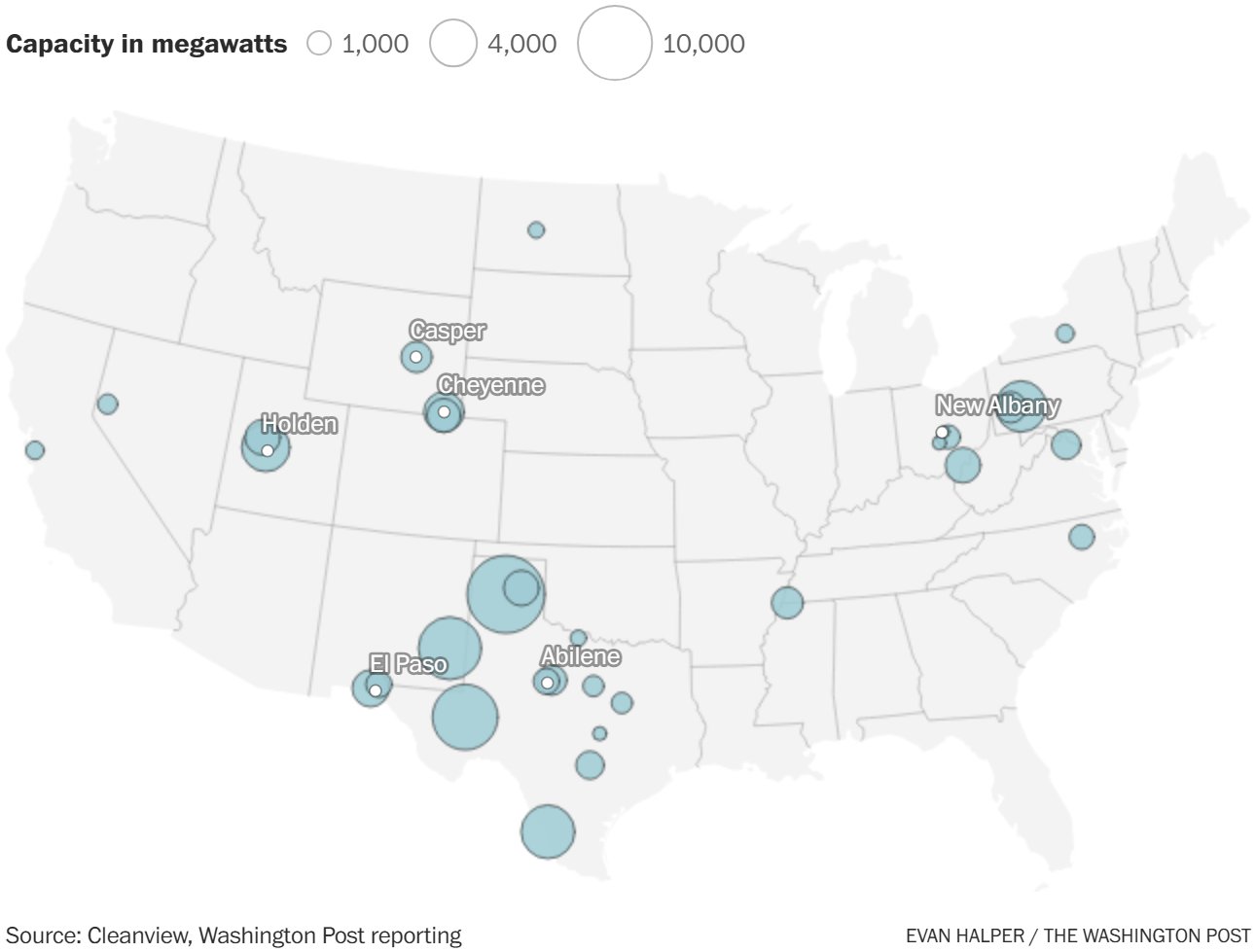
These installations employ natural gas turbines paired with supplementary solar arrays. However, operational limitations emerge: Gas turbines typically operate at 65-70% capacity due to maintenance requirements, creating reliability challenges for 24/7 data center loads. Eolian CEO Mark Bell notes builders often utilize "clankety old equipment headed for the scrapyard" or cobble together dozens of small generators, raising concerns about long-term viability.
Regulatory shifts enable this trend, with states revising laws to permit private power plant construction. Virginia, Ohio, and Texas have relaxed siting restrictions, allowing developers to bypass utility oversight. This accelerates deployment but reduces transparency, with operators frequently obscuring project ownership from local communities.
Market impacts are substantial:
- Gas turbine manufacturers report sold-out production capacity through 2030
- Utilities face equipment shortages as data center operators outbid them for transformers and switchgear
- Local power providers incur higher infrastructure costs without new revenue from these off-grid facilities
Environmental consequences are significant. Cleanview analyst Michael Thomas states the trend proves "catastrophic for climate goals," estimating each 1GW gas plant emits approximately 3.5 million metric tons of CO2 annually. While Microsoft, Google, and Amazon invest in future nuclear and fusion solutions, these technologies won't address immediate capacity demands.
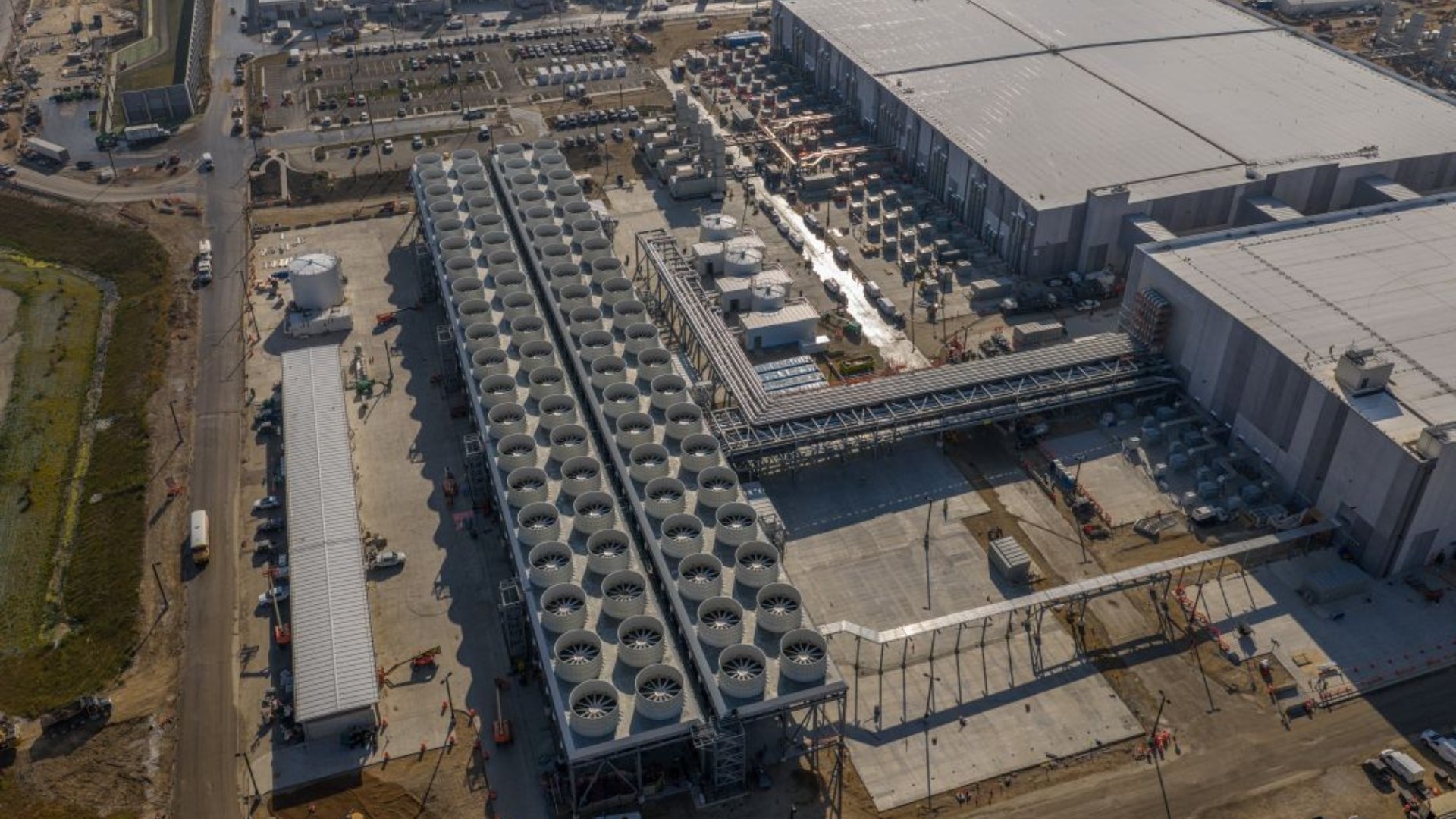
The Shadow Grid's emergence highlights the tension between AI infrastructure demands and sustainable development. With data center power requirements projected to triple by 2030 according to Goldman Sachs Research, this stopgap solution risks locking in carbon-intensive infrastructure even as companies pursue cleaner long-term alternatives.

Comments
Please log in or register to join the discussion