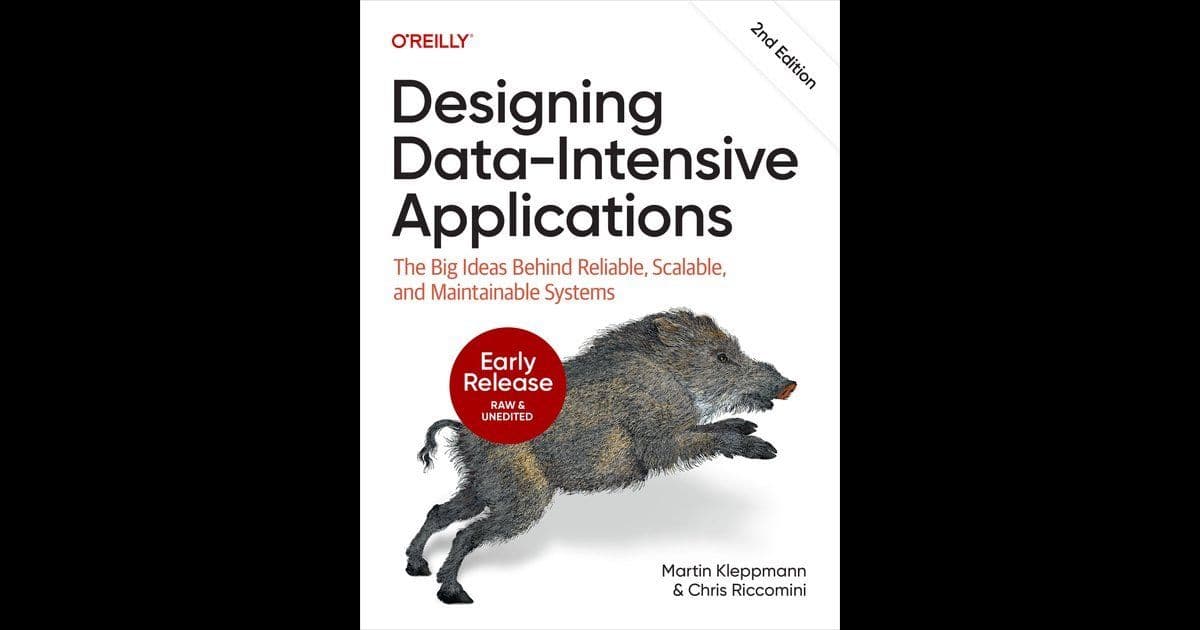
In the second edition of 'Designing Data-Intensive Applications', Martin Kleppmann and Chris Riccomini tackle the overwhelming complexity of today's data landscape, from scalability nightmares to GDPR compliance. This definitive guide equips developers with the insights to navigate trade-offs in consistency, tool selection, and distributed systems design.
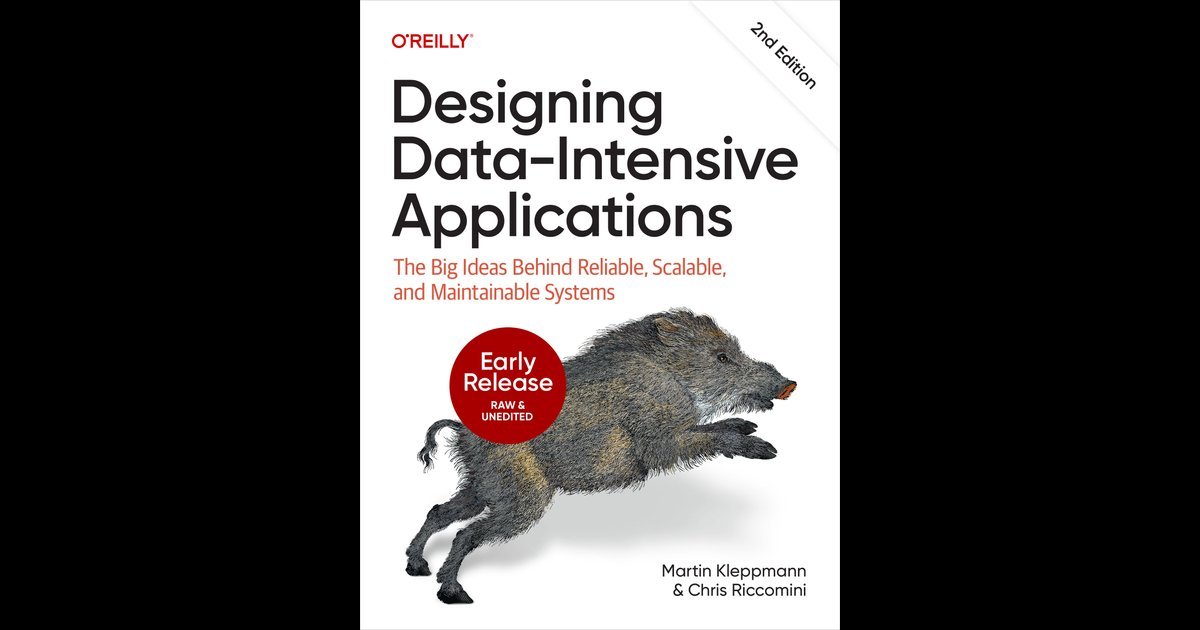
Data systems form the backbone of modern technology, yet developers face a labyrinth of choices: relational databases, NoSQL stores, data lakes, and streaming tools like Spark or Flink. Amidst this buzzword blizzard, making informed decisions on scalability, consistency, and reliability feels like solving a puzzle with missing pieces. Enter Martin Kleppmann and Chris Riccomini, who have expanded their acclaimed first edition into a vital resource for cutting through the noise.
The Ever-Evolving Data Maze
Today's applications grapple with unprecedented challenges—ensuring fault tolerance in distributed environments, balancing efficiency with maintainability, and adhering to regulations like GDPR. The book doesn't just catalog tools; it dissects the research underpinning systems like those powering major online services, revealing how to leverage them effectively. As Kleppmann and Riccomini emphasize, understanding these foundations is crucial: "Peer under the hood of the systems you already use" to transform guesswork into strategy.
What's New in the Second Edition
The updated text integrates emerging trends, offering deep dives into modern frameworks such as Apache Flink for stream processing and Spark for large-scale analytics. It also addresses critical real-world concerns, including data governance and the ethical implications of storage laws. For developers, this means actionable guidance on navigating trade-offs—like when to prioritize consistency over scalability—without drowning in abstraction. The inclusion of case studies from industry architectures provides concrete lessons in resilience and design.
Why This Matters Now
In an era where data breaches and system failures make headlines, this book is more than a manual—it's a survival kit. It empowers engineers to evaluate technologies critically, turning hype into actionable insight. As data volumes explode and tools multiply, Kleppmann and Riccomini's work underscores that robust systems stem not from chasing trends, but from mastering timeless principles of distributed computing.

 Related reading for the curious: 'Grokking Algorithms' for foundational problem-solving, 'Head First Design Patterns' for architectural best practices, and 'Building LLM Powered Applications' for AI integration.
Source: Designing Data-Intensive Applications, Second Edition by Martin Kleppmann and Chris Riccomini (O'Reilly, ISBN: 9781098119058).
Comments
Please log in or register to join the discussion