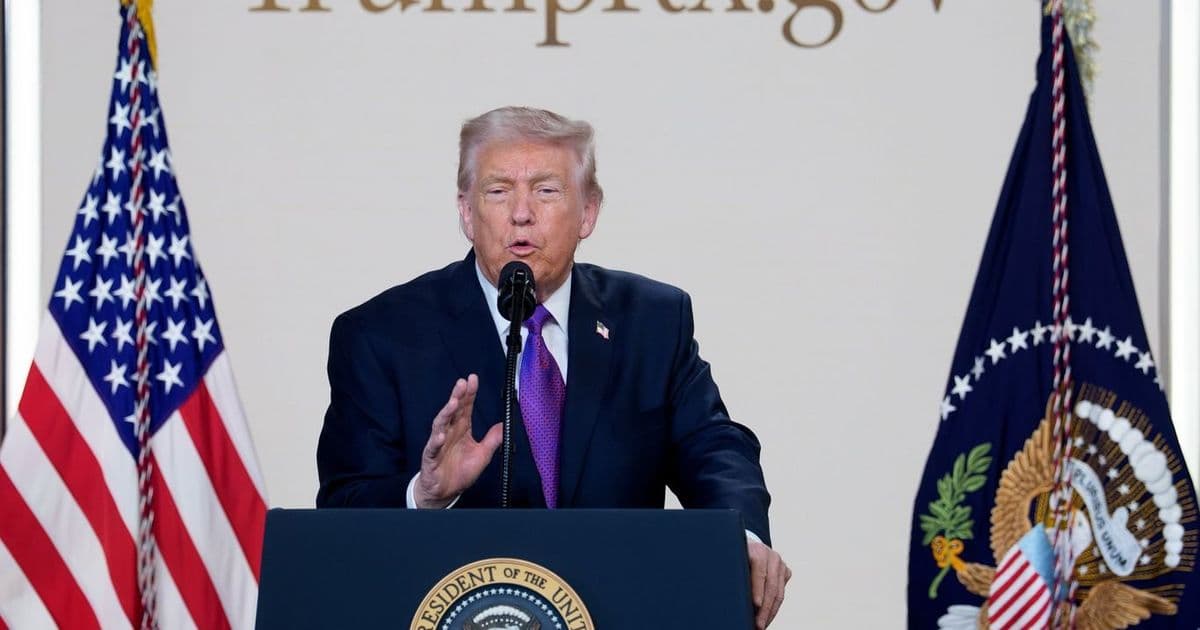
President Trump's proposal to rename Washington Dulles International Airport and New York's Penn Station after himself has sparked intense political backlash, with Democrats condemning the move as an authoritarian power grab that violates congressional authority over federal naming conventions.
President Donald Trump's proposal to rename Washington Dulles International Airport and New York's Penn Station after himself has ignited a fierce political firestorm, with Democrats erupting in outrage over what they characterize as an unprecedented power grab that undermines democratic norms and congressional authority.
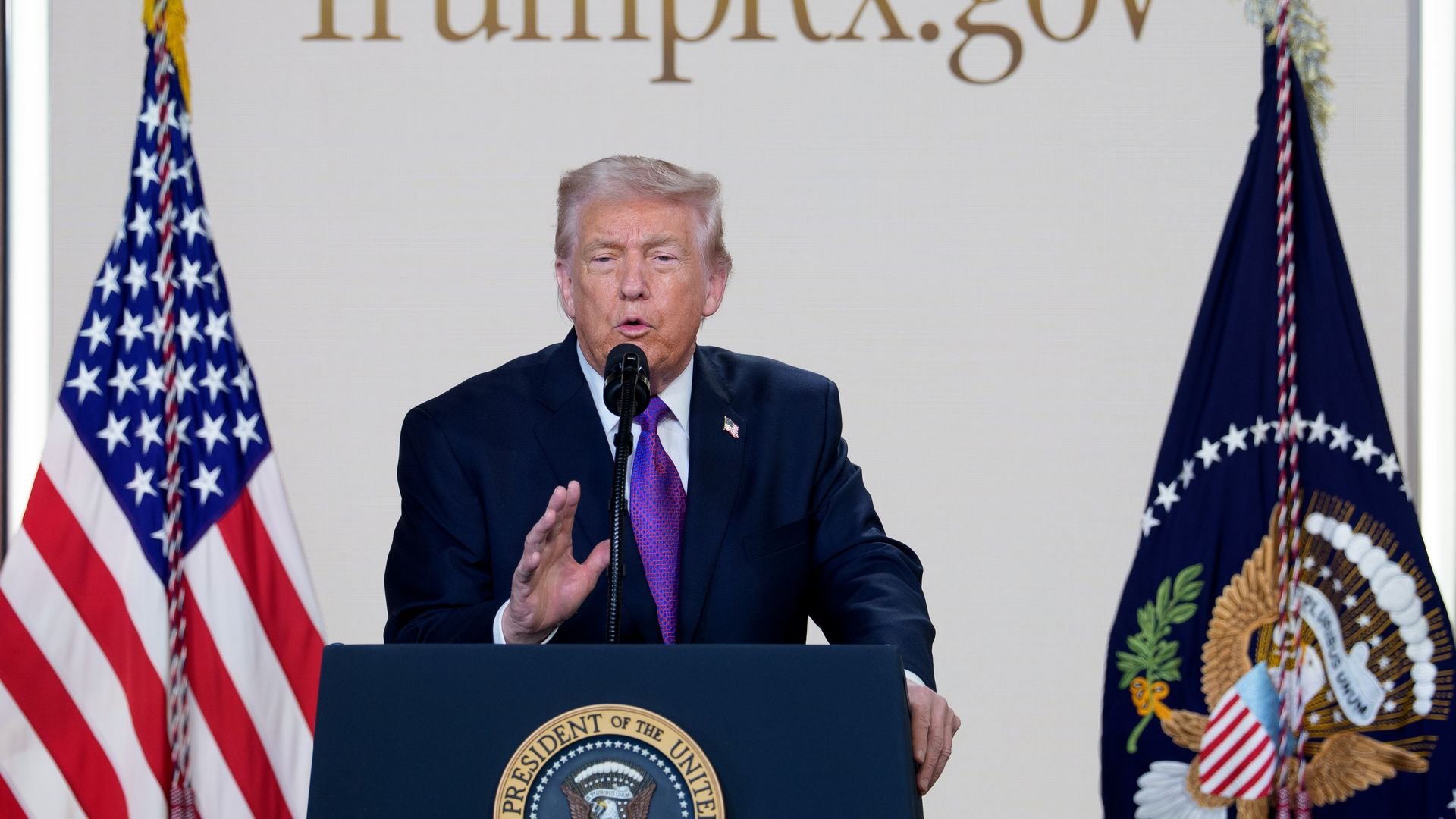
The controversy erupted when Trump announced his intention to rename the two major transportation hubs, which serve millions of travelers annually. Washington Dulles International Airport, located in Virginia and serving the Washington, D.C. metropolitan area, handles over 24 million passengers per year. Penn Station in New York City, the busiest rail station in North America, serves approximately 600,000 passengers daily.
Democratic lawmakers have condemned the proposal as an authoritarian overreach that violates established protocols for naming federal facilities. Representative Alexandria Ocasio-Cortez (D-NY) called the move "a blatant attempt to rewrite history and impose personal legacy on public infrastructure that belongs to the American people."
Senator Chuck Schumer (D-NY) emphasized that Congress holds the authority to name federal buildings and facilities, stating that "the President cannot unilaterally rename these landmarks without congressional approval. This is not how our democracy works."
The backlash extends beyond elected officials to transportation advocates and urban planners who argue that renaming these iconic facilities would cause confusion and erase decades of established identity. The Metropolitan Transportation Authority, which operates Penn Station, has not commented on the proposal, while the Metropolitan Washington Airports Authority, which manages Dulles, stated that any name change would require extensive review and public input.
Transportation industry experts note that rebranding major transit hubs carries significant costs beyond signage changes. A similar renaming effort for Washington's Reagan National Airport in the 1990s cost millions in updated maps, websites, and navigational systems. The potential economic impact of renaming Penn Station, with its complex web of rail lines and connections, could be substantially higher.
This controversy emerges amid broader tensions between the Trump administration and congressional Democrats over executive authority and the use of federal resources. The proposal has been interpreted by critics as part of a pattern of self-aggrandizement that includes Trump's continued promotion of his business interests and his insistence on having his name prominently displayed on government properties.
Historical precedent suggests that naming federal facilities after sitting presidents is extremely rare and typically requires congressional action. The last major federal building renamed after a sitting president was the Ronald Reagan Building and International Trade Center, which was renamed in 1998 during Reagan's second term.
Public reaction has been mixed, with Trump supporters viewing the proposal as a fitting tribute to a president who prioritized infrastructure development and transportation improvements. However, opponents argue that the move represents an inappropriate fusion of personal branding with public service.
The controversy highlights the ongoing debate over presidential legacy and the appropriate ways to honor public servants. Transportation historians note that both Dulles Airport and Penn Station are named after figures who made significant contributions to American infrastructure and governance - John Foster Dulles served as Secretary of State under President Eisenhower, while Pennsylvania Station was named after the Pennsylvania Railroad that built it.
As the debate continues, the practical challenges of implementing such name changes remain significant. Both facilities are deeply embedded in regional transportation networks, with countless references in navigation systems, travel guides, and daily communication. Any attempt to rename them would require coordination across multiple jurisdictions and stakeholders.
The episode underscores the increasingly partisan nature of even seemingly routine governmental decisions in the current political climate, where actions by the executive branch are often viewed through the lens of political advantage rather than public benefit.
Comments
Please log in or register to join the discussion