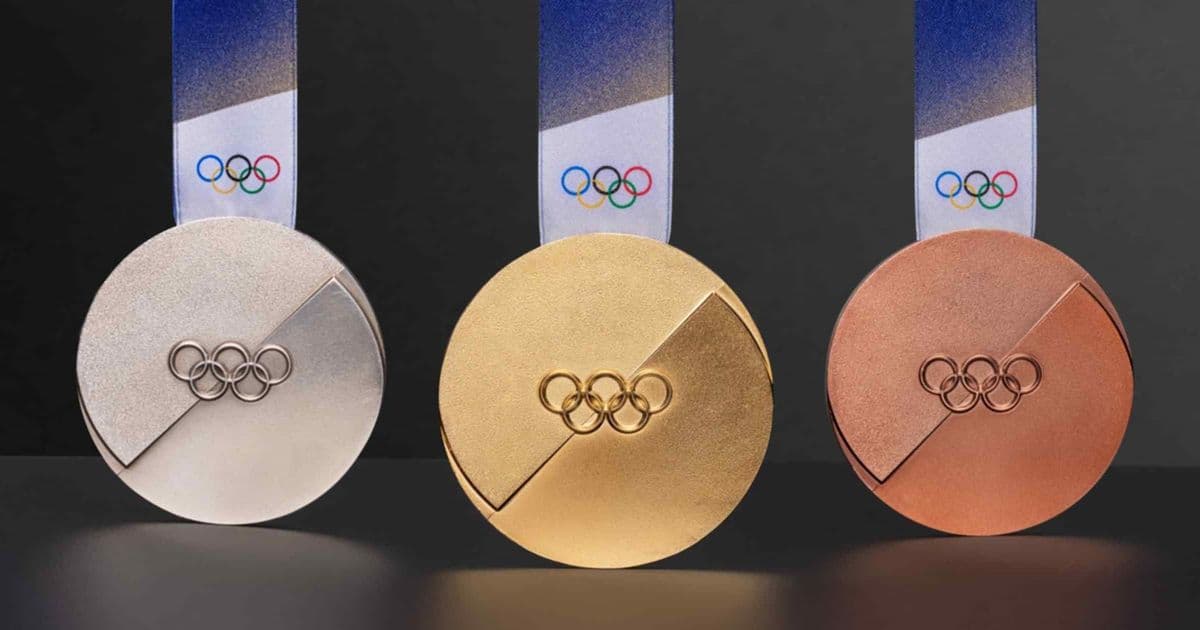
Gold medals for the 2026 Winter Olympics cost eight times more than 20 years ago as investors pour money into precious metals amid global economic uncertainty, with gold hitting $5,595 per ounce and silver reaching $122.
The gold medals awarded at the 2026 Winter Olympics in Milan and Cortina d'Ampezzo now cost an estimated $2,177 in raw materials alone, marking an eightfold increase from the $267 price tag of medals awarded at the 2006 Turin Games. This dramatic surge reflects broader market dynamics as investors seek safe havens amid escalating global economic uncertainty.
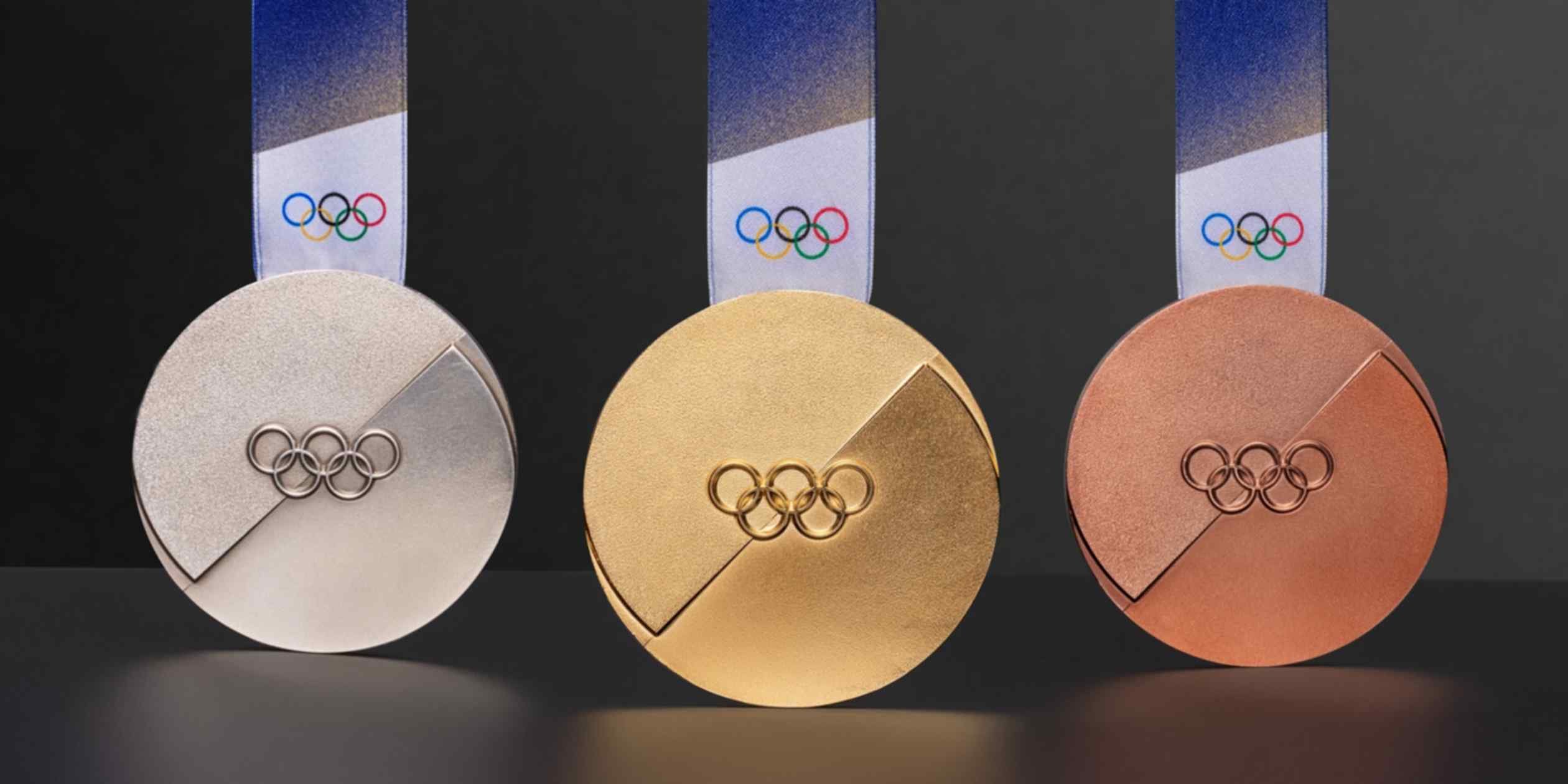
The medals for the 2026 Winter Olympics weigh 506 grams each, though they're composed of 500 grams of silver plated with just six grams of pure gold. Despite the minimal gold content, the precious metal's record-breaking price has driven the overall cost skyward. Silver medals, made from pure silver, now cost $1,277 in materials—up from $157 two decades ago.
Gold prices reached an all-time high of $5,595 per troy ounce on January 29, roughly doubling over the past year. Silver, while smaller in market size, saw even more dramatic movement, surging to $122 per ounce—a fourfold increase that reflects speculative money pouring into the sector.
What's Driving the Surge
The price explosion stems from multiple converging factors:
- Geopolitical uncertainty: U.S. President Donald Trump's tariff policies and Middle East tensions have created market volatility
- Recent escalations: The U.S. military action in Venezuela and disputes over Greenland have added to investor anxiety
- Infrastructure demand: Long-term copper price increases driven by demand from China and India
- Safe-haven buying: Investors treating precious metals as tangible stores of value during uncertain times
"Infrastructure demand in places like China and India have driven the price up over the long term," said Takayuki Homma, chief economist at Sumitomo Corporation Global Research. Copper, the primary component in bronze medals, has also hit record highs, though bronze medals remain relatively inexpensive at just $5 in raw materials.
Market Context
The precious metals rally represents a broader shift in investment patterns. Gold investment demand grew 80% last year, now accounting for 60% of mining output. The Hong Kong and Shanghai Gold Exchanges have recently partnered as prices hit new highs, reflecting Asia's growing role in precious metal trading.
Rare-earth prices have also reached record levels amid China's export restrictions, creating a ripple effect across commodity markets. The convergence of these factors has created a perfect storm for Olympic medal costs, transforming what was once a relatively modest expense into a significant financial consideration for host nations.
The eightfold increase in medal costs over two decades underscores how global economic forces can impact even the most symbolic aspects of international sporting events, turning Olympic hardware into a barometer of market sentiment and geopolitical stability.
Comments
Please log in or register to join the discussion