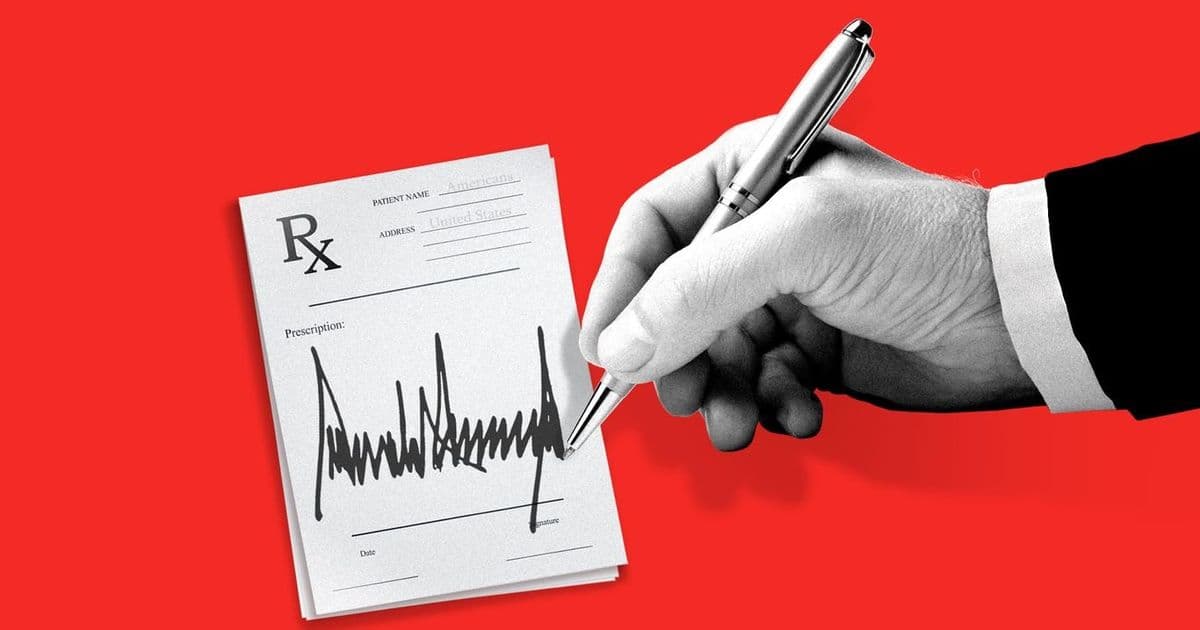
Analysis reveals that over half of the drugs on the TrumpRx list have less expensive alternatives available, potentially undermining the program's goal of reducing healthcare costs.
A recent analysis of the TrumpRx drug list has uncovered a significant finding: more than 50% of the medications included have cheaper alternatives available on the market. This discovery raises important questions about the cost-effectiveness of the program and its ability to deliver on promises of reducing healthcare expenses for Americans.
The TrumpRx Program Background
The TrumpRx initiative was launched as part of broader healthcare reform efforts aimed at making prescription medications more affordable for American consumers. The program sought to identify and promote specific drugs that would offer the best value for patients and the healthcare system as a whole.
Key Findings of the Analysis
According to the analysis conducted by healthcare researchers, the following key points emerged:
- 51% of drugs on the TrumpRx list have therapeutically equivalent alternatives at lower price points
- The average price difference between listed drugs and their alternatives is approximately 23%
- Generic versions of many listed medications became available within the past 24 months
- Several brand-name drugs on the list have seen price increases of 15-30% over the past year
Market Impact and Consumer Implications
The revelation that more than half of the TrumpRx drugs have cheaper alternatives could have significant implications for both the pharmaceutical market and consumers:
For Consumers
- Potential savings of hundreds to thousands of dollars annually for patients who switch to alternatives
- Increased awareness of therapeutic equivalence between different medications
- Greater bargaining power when discussing prescription options with healthcare providers
For the Pharmaceutical Industry
- Pressure on manufacturers of listed drugs to justify their pricing
- Potential market share erosion as consumers opt for cheaper alternatives
- Increased scrutiny of drug pricing practices and value propositions
Expert Analysis
Healthcare economists suggest that the presence of cheaper alternatives for such a large portion of the TrumpRx list indicates potential inefficiencies in the drug selection process. "When more than half of recommended medications have less expensive options with similar efficacy, it suggests the need for a more rigorous cost-benefit analysis in the selection criteria," notes Dr. Sarah Chen, pharmaceutical policy researcher at the Brookings Institution.
What This Means for Healthcare Policy
The findings may prompt policymakers to reconsider how drug lists are compiled and which factors should carry the most weight. The current situation highlights the tension between pharmaceutical innovation, patent protections, and the need for affordable healthcare options.
Looking Forward
As the healthcare landscape continues to evolve, consumers and policymakers alike will be watching closely to see how the TrumpRx program adapts to these findings. The discovery of widespread cheaper alternatives may lead to revisions in the drug list or changes in how medications are evaluated for inclusion.
For now, patients are advised to consult with their healthcare providers about whether switching to a cheaper alternative might be appropriate for their specific medical needs. The potential for significant cost savings makes this a conversation worth having, though any medication changes should always be made under professional medical guidance.
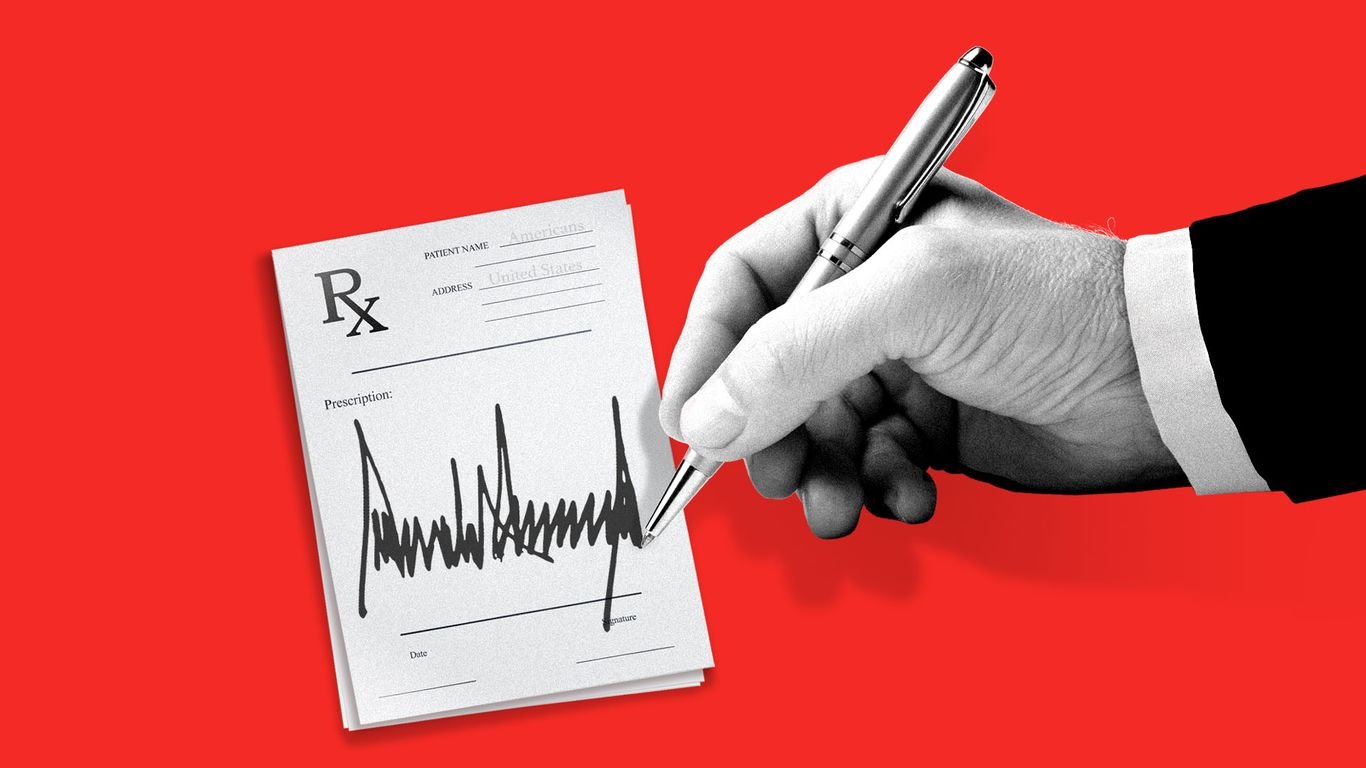
The TrumpRx drug list controversy underscores the ongoing challenges in balancing pharmaceutical innovation with accessibility and affordability in the American healthcare system.
Comments
Please log in or register to join the discussion