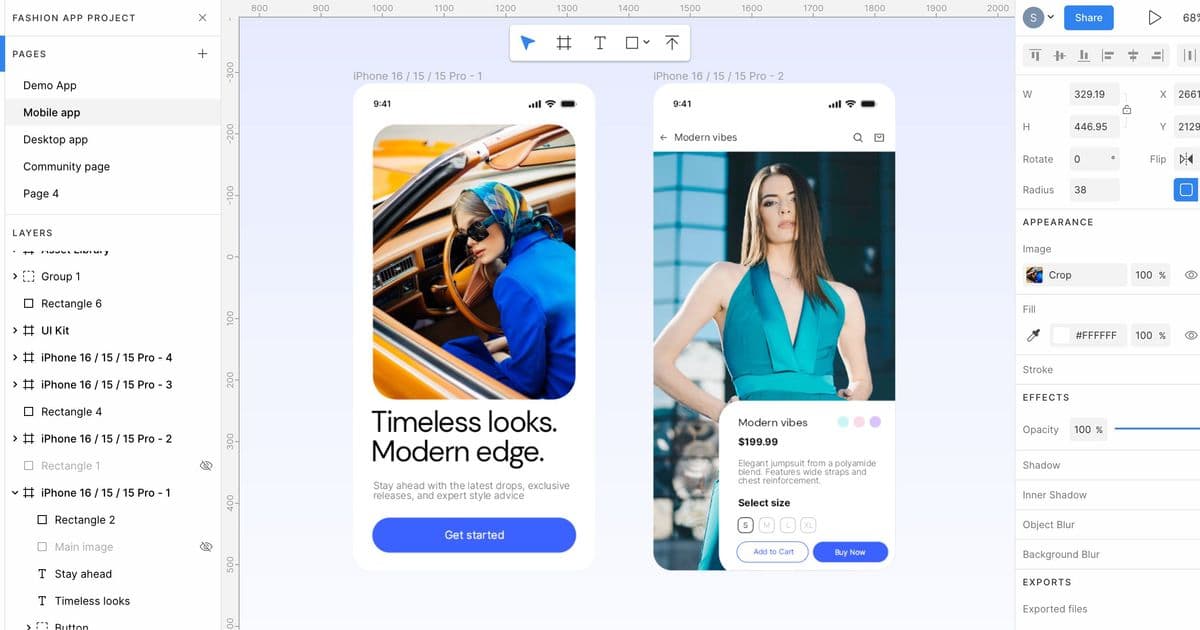
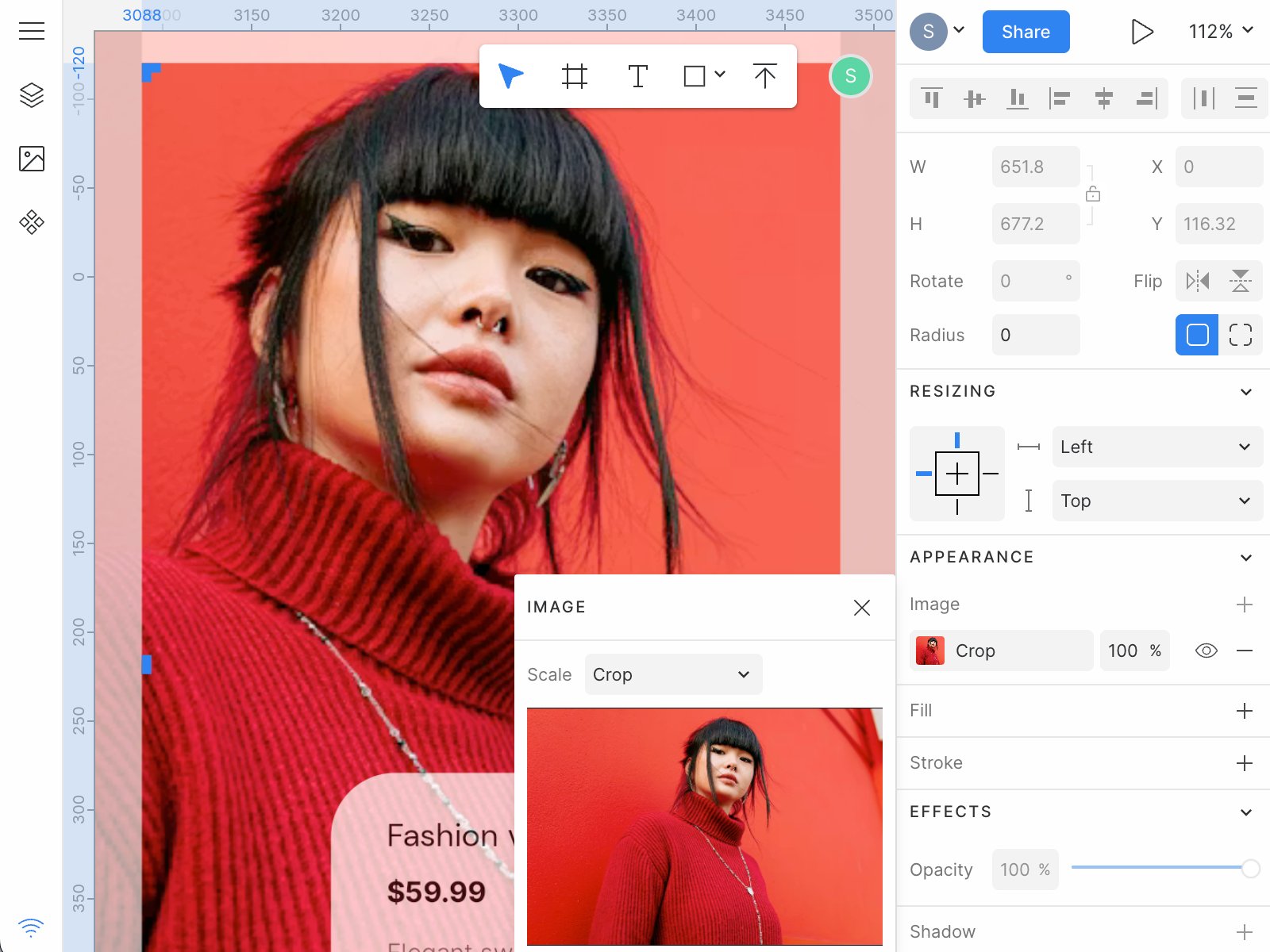
Vecti, a new browser-based UX design platform, aims to disrupt the design tool market with its focus on performance, privacy, and collaborative workflows.
A new player has entered the crowded design tool market with Vecti, a browser-based UX design platform that promises to combine professional-grade performance with intuitive collaboration features.
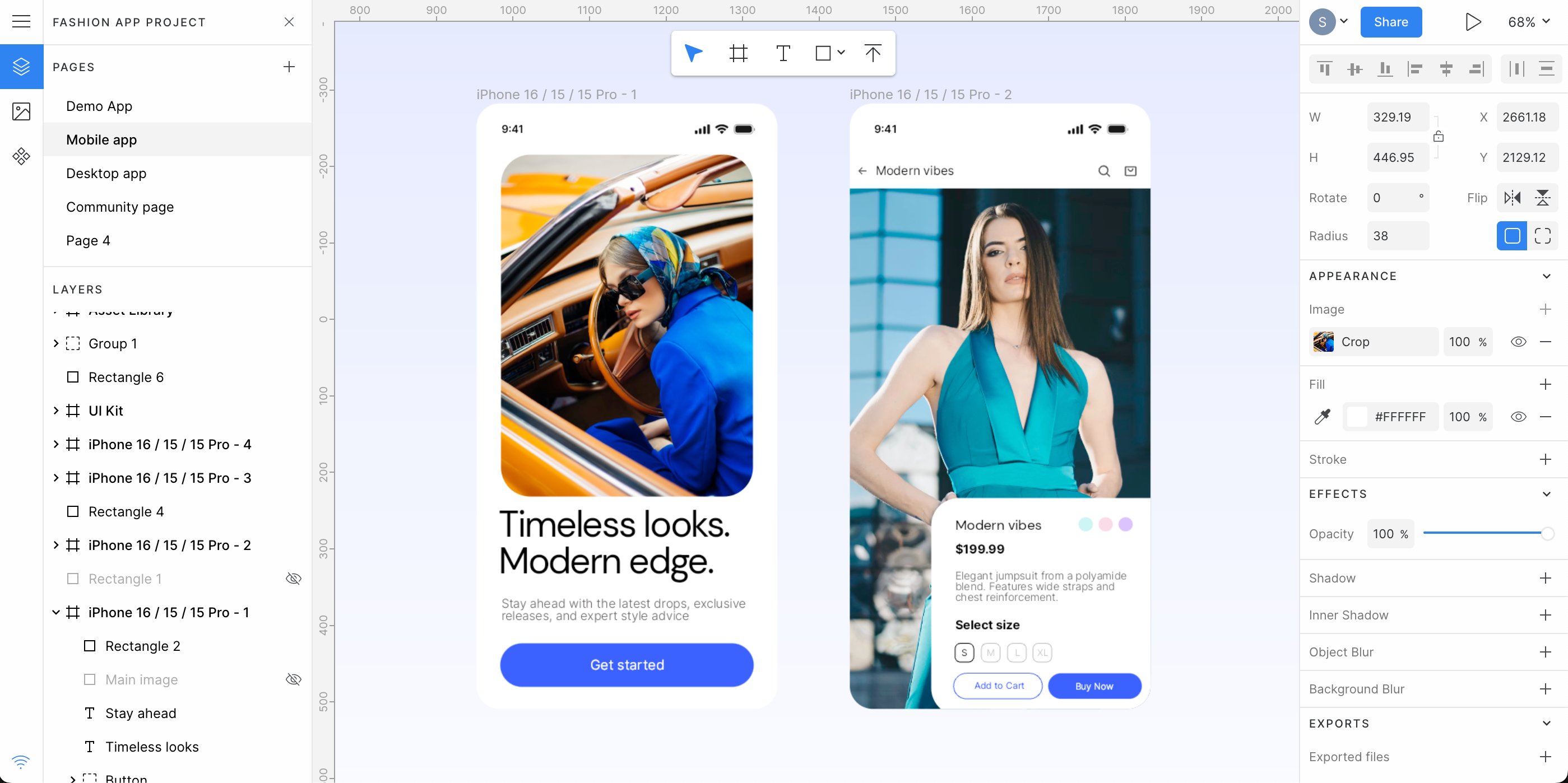
Founded by Serge, a designer with nearly two decades of UI experience, Vecti positions itself as a privacy-focused alternative to established tools like Figma and Sketch. The platform is built from the ground up with a "better philosophy" - prioritizing performance, privacy, and creative freedom for designers and developers.
Real-Time Collaboration at the Core
Vecti's standout feature is its real-time collaboration capability. Multiple team members can simultaneously edit and review designs, with all assets and artifacts shared seamlessly across the team. This addresses a common pain point in design workflows where version control and feedback loops often slow down projects.
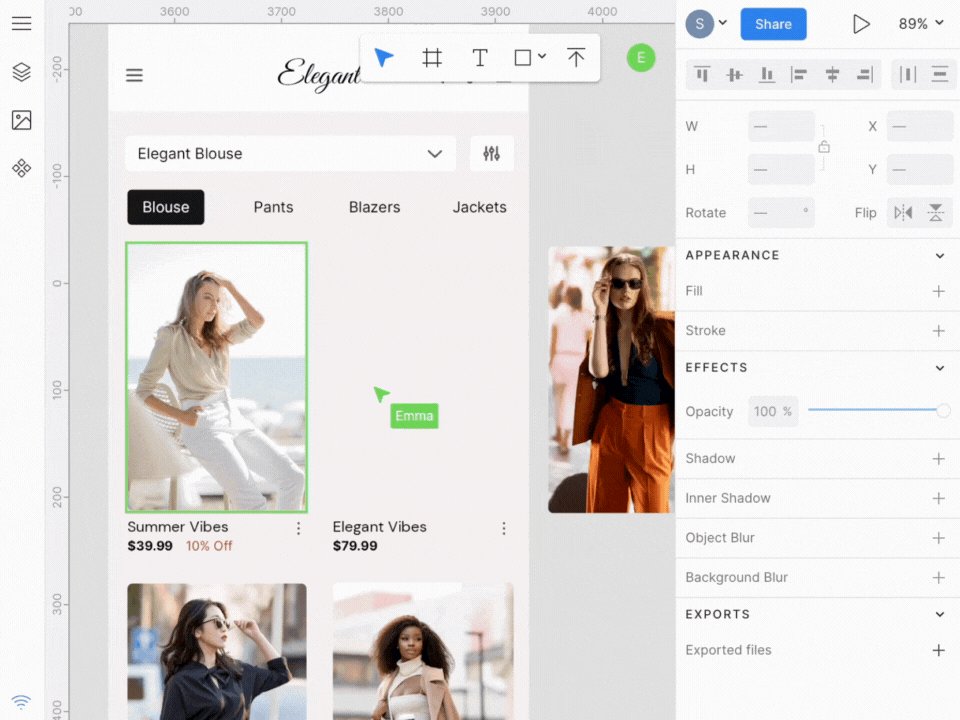
The platform includes a shared asset library where team members can upload, access, and reuse design resources instantly. This centralization of design assets aims to eliminate the friction of hunting through folders or waiting for colleagues to share files.
Performance Without Compromise
Vecti's high-performance rendering engine promises to handle unlimited-scale projects without compromise. According to user testimonials, this performance advantage is particularly noticeable with large design systems.
"Vecti's interface felt instantly familiar, but the performance with my massive design system? Night and day difference. I'm never going back." - Andra, StayInCheck
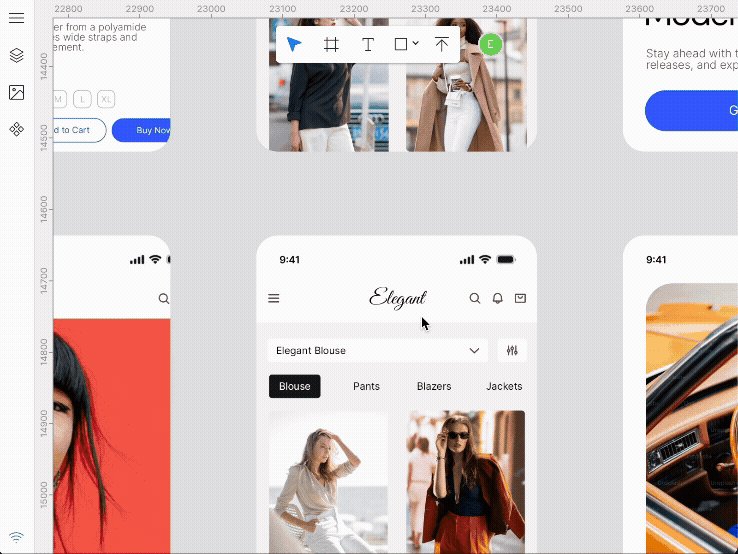
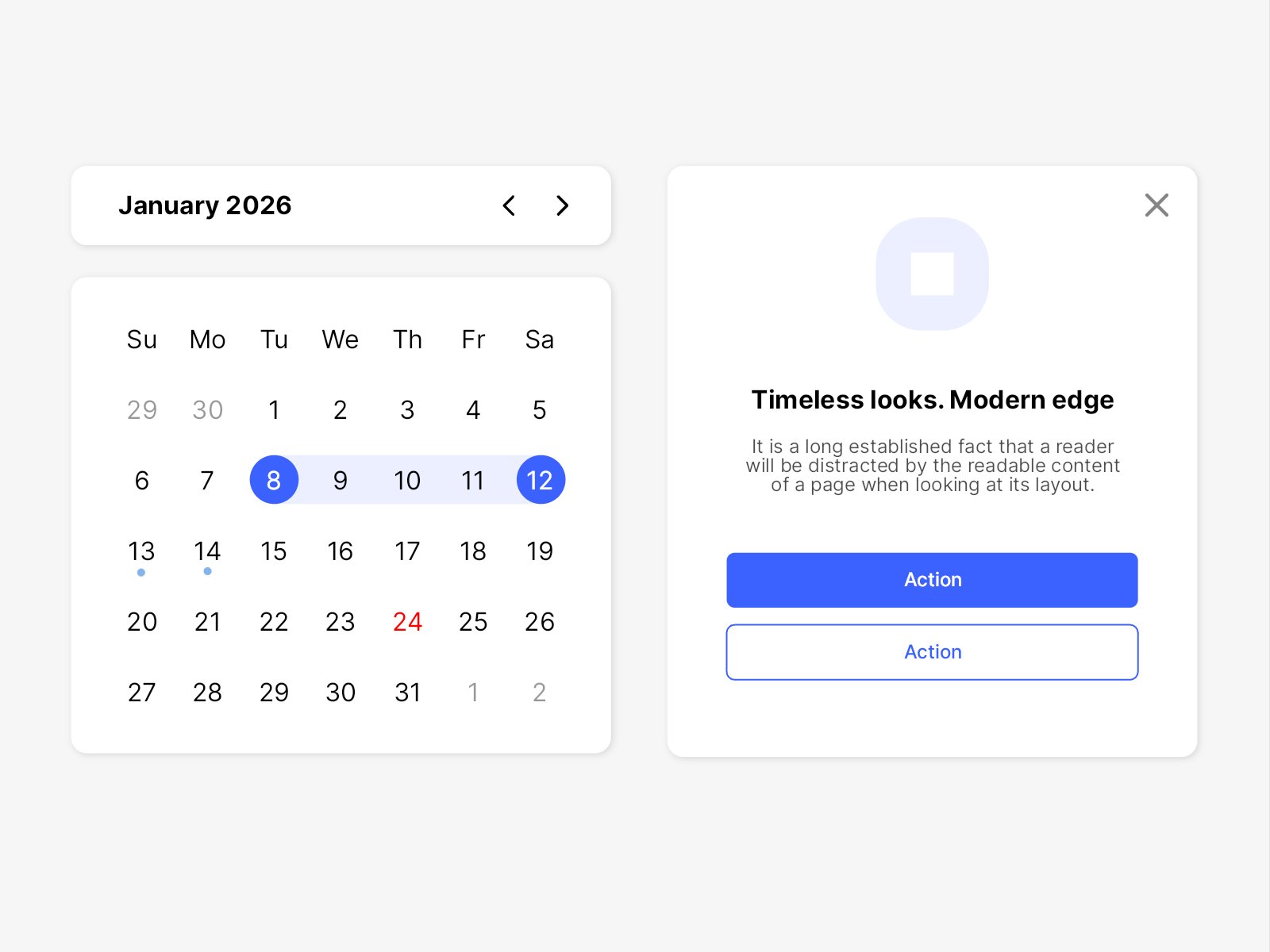
The platform also includes reusable components, allowing designers to create once and use everywhere through simple drag-and-drop functionality. This feature, while common in modern design tools, is positioned as a core part of Vecti's workflow optimization.
Privacy and Transparency First
Built and based in the EU, Vecti follows European privacy standards and emphasizes transparency in its operations. This positioning could appeal to organizations with strict data sovereignty requirements or those concerned about the privacy practices of larger tech companies.
The platform offers a pay-per-editor pricing model, making it easy to scale teams and manage budgets. The free tier includes 5 projects and 2 editors, while the Professional plan at $12/month (billed annually) unlocks unlimited projects and priority support.
Market Positioning and Competition
Vecti enters a market dominated by Figma, which has become the de facto standard for collaborative design. However, the platform's focus on privacy, European data residency, and performance could carve out a niche among organizations with specific requirements.
The browser-based approach eliminates installation friction and enables true cross-platform compatibility, while the emphasis on intuitive interfaces aims to reduce the learning curve that often accompanies professional design tools.
Early Reception
Early user feedback highlights Vecti's ability to streamline design workflows. Dan from Zenitech notes that Vecti allows him to "quickly mock up interfaces, share them with my team for feedback, and export clean assets, all without leaving my flow."
Emilia from Oracle emphasizes the collaboration improvements: "I finally found a design tool where I can collaborate seamlessly with developers and stakeholders. No more endless email threads."
Looking Forward
Vecti's roadmap includes continued development of its component system and collaboration features. The company offers educational discounts for students and teachers, positioning itself as accessible to the next generation of designers.
With its combination of performance, privacy, and collaborative features, Vecti represents a European challenger in the global design tool market. Whether it can gain significant traction against established players remains to be seen, but its focus on creator-first principles and transparent operations provides a compelling alternative for privacy-conscious teams.
Comments
Please log in or register to join the discussion