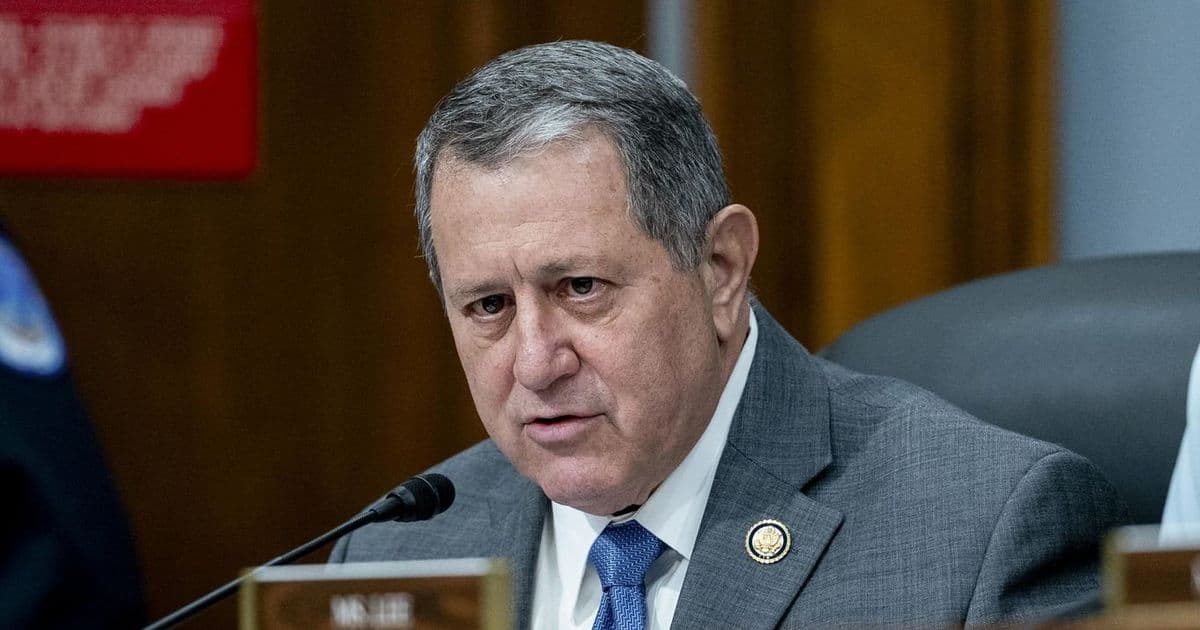
Congressional Democrats are advancing legislation targeting artificial intelligence in political advertising, seeking to address growing concerns about AI-generated content potentially influencing elections. The proposed regulations would impose disclosure requirements and restrictions on AI-altered media in political campaigns, reflecting broader tensions between technological innovation and democratic integrity.
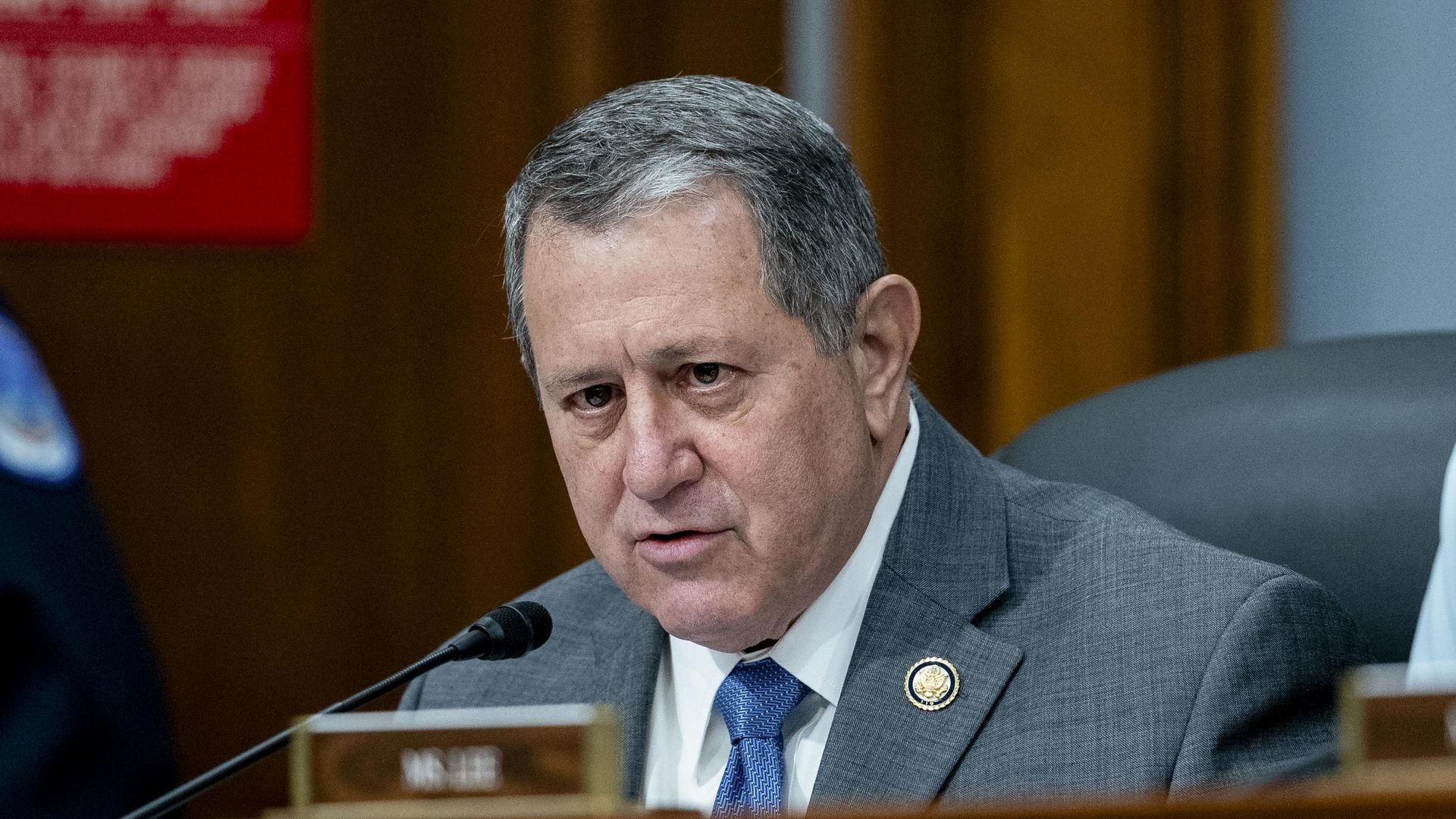 Democratic lawmakers, led by Rep. Joe Morelle, are preparing legislation that would implement strict regulations on the use of artificial intelligence in political advertising by 2027. The proposed crackdown comes amid increasing concerns about AI-generated content potentially misleading voters and undermining the integrity of electoral processes. Morelle's office has indicated that the legislation will focus on transparency and accountability in AI-altered political content.
The legislative effort targets a rapidly evolving technological landscape where AI capabilities have advanced to the point where creating convincing fake audio, video, and images has become increasingly accessible and affordable. According to industry estimates, the market for political advertising in the United States exceeded $9 billion during the 2020 election cycle, with projections suggesting growth to over $12 billion by 2024. The integration of AI technologies into this market represents both new opportunities and significant risks.
Current regulations primarily focus on traditional advertising disclosures and coordination rules, but have not adequately addressed the unique challenges posed by AI-generated content. The proposed legislation would require clear labeling of AI-altered media in political ads and potentially ban certain types of synthetic media that could deceive voters. Current FEC regulations do not specifically address AI-generated content.
Industry analysts project that the AI political advertising market could reach $1.5 billion by 2028, representing approximately 12% of the total political advertising market. This growth trajectory has prompted both innovation from tech companies and concern from regulators about potential misuse.
Tech industry stakeholders have expressed mixed reactions to the proposed regulations. While some companies support transparency measures, others argue that overly restrictive rules could stifle innovation and create compliance burdens for smaller players in the market. The political advertising technology sector has seen significant investment, with venture capital funding for AI political tools reaching approximately $280 million in 2022 alone.
The legislative proposal reflects broader global trends in AI governance. The European Union's AI Act, which classifies certain AI applications as "high-risk," and similar regulatory frameworks in development in other countries indicate a growing international consensus on the need for AI oversight in sensitive applications.
Market analysts suggest that the proposed regulations could reshape the political advertising technology landscape, potentially accelerating the development of authentication technologies while limiting certain applications of synthetic media. Companies specializing in AI detection and content verification could benefit from increased demand, while businesses focused on creating highly realistic AI-generated political content may face new constraints.
The timing of the proposed 2027 implementation coincides with the next presidential election cycle, suggesting that lawmakers aim to establish clear rules before the technology becomes even more pervasive. This regulatory approach contrasts with the more reactive stance taken in previous election cycles, where regulations often lagged behind technological developments.
Legal experts note that the legislation will need to navigate complex First Amendment considerations while addressing legitimate concerns about voter deception. Similar laws in states like California and Texas have faced legal challenges, raising questions about how federal regulations might be structured to withstand constitutional scrutiny.
The economic implications of the proposed regulations extend beyond the political advertising market. Companies developing AI technologies for various applications may need to implement compliance measures that affect their development priorities and resource allocation. The regulatory framework could also influence investment patterns in the broader AI sector, potentially steering capital toward applications with clearer regulatory pathways.
As the 2024 election approaches, the debate over AI in political advertising is likely to intensify. The proposed 2027 crackdown represents an attempt to establish guardrails before the technology becomes even more sophisticated and widespread. Whether this approach will successfully balance innovation with protection against deception remains to be seen, but it underscores the growing recognition that AI regulation must keep pace with technological advancement.
Comments
Please log in or register to join the discussion