Dutch Defense Secretary Gijs Tuinman's comparison of F-35 software modification to iPhone jailbreaking highlights growing European concerns about U.S. technological dependence and potential supply chain vulnerabilities.
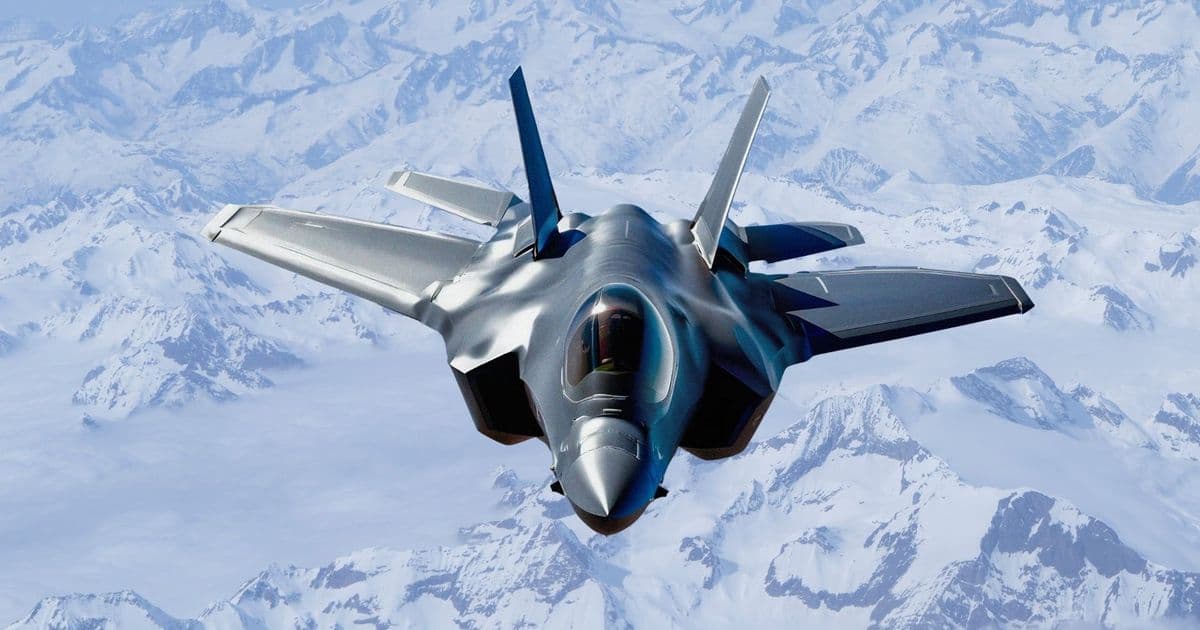
The Netherlands' Defense Secretary has sparked significant discussion in defense and technology circles by suggesting that the nation's F-35 Lightning II fighter jets could be "jailbroken" to achieve software independence from the United States. During an interview with BNR Nieuwsradio, Secretary Gijs Tuinman responded to questions about European nations' ability to modify F-35 software without U.S. approval by drawing a provocative comparison to smartphone jailbreaking.
"I'm going to say something I should never say, but I'll do it anyway," Tuinman stated. "Just like your iPhone, you can jailbreak an F-35. I won't say more about it."
This comment comes amid growing tensions between the United States and European allies, with concerns mounting about over-reliance on American technology for critical defense systems. The F-35 program represents one of the most advanced military aviation platforms globally, with each aircraft containing over 8 million lines of code that govern everything from flight controls to threat detection systems.
The Technical Complexity Behind the Comparison
The secretary's iPhone jailbreaking analogy, while attention-grabbing, significantly oversimplifies the technical challenges involved in modifying F-35 software. Unlike consumer devices where users can access development tools and modify code through relatively straightforward processes, the F-35's software architecture presents formidable obstacles.
The Lightning II's operating systems are heavily encrypted and designed with multiple layers of security to prevent unauthorized modifications. The aircraft relies on Lockheed Martin's cloud infrastructure for essential functions including software updates, logistics management, and the critical "Mission Data Files" that enable threat recognition capabilities. These files contain classified information about potential adversaries' radar signatures and electronic warfare profiles.
Furthermore, the F-35's supply chain dependencies extend far beyond software. Each aircraft requires thousands of specialized parts and services, predominantly sourced from U.S. suppliers. This creates a complex ecosystem where even hardware modifications could trigger software incompatibilities or safety issues.
Strategic Implications of Software Independence
The Dutch defense establishment's interest in software independence reflects broader European concerns about technological sovereignty. Several NATO allies have expressed anxiety about their vulnerability to potential U.S. policy shifts that could affect access to critical defense technologies.
While U.S. officials have denied the existence of any "kill switch" capability that could remotely disable allied F-35 fleets, the centralized nature of the aircraft's support infrastructure creates de facto dependency. If excluded from Lockheed's maintenance network, nations could theoretically lose access to software updates, technical support, and the continuous improvements that keep the F-35 at the cutting edge of aerial combat capabilities.
For the Royal Netherlands Air and Space Force, which relies exclusively on the F-35 for its fighter jet requirements, this dependency represents a significant strategic vulnerability. The Netherlands operates a fleet of F-35As, with plans to expand its inventory as older aircraft are phased out.
The Reality of Military Software Modification
Military software modification, particularly for systems as complex as the F-35, involves challenges far beyond those encountered in civilian technology. The aircraft's flight control systems, sensor fusion algorithms, and weapons integration software must work in perfect harmony to ensure safe operation.
Any unauthorized modifications could potentially:
- Compromise the aircraft's fly-by-wire flight control system
- Disrupt sensor fusion, affecting situational awareness
- Create incompatibilities with weapons systems
- Void warranties and maintenance agreements
- Trigger security protocols that could ground the fleet
Additionally, the encrypted nature of military software means that even identifying the specific code segments responsible for particular functions requires specialized knowledge and tools that are not publicly available.
International Context and Precedents
The Netherlands is not alone in exploring options for reducing dependence on U.S. military technology. Several European nations have invested in developing indigenous defense capabilities, including:
- France's development of the Rafale fighter and associated systems
- Germany's push for European cloud infrastructure for defense applications
- The United Kingdom's efforts to maintain some F-35 production capabilities domestically
However, the F-35 represents a unique challenge due to its unprecedented level of software integration and the extensive U.S. intellectual property embedded in its systems. Unlike previous generation fighters where mechanical systems dominated, the Lightning II's capabilities are largely defined by its software architecture.
Technical and Diplomatic Balancing Act
The Dutch government now faces a delicate balance between maintaining strong ties with its NATO allies and ensuring operational independence. Secretary Tuinman's comments, while potentially revealing internal discussions about contingency planning, also risk straining relationships with the United States at a time when transatlantic cooperation remains crucial for European security.
The technical feasibility of "jailbreaking" an F-35 remains highly questionable, but the political message is clear: European nations are increasingly unwilling to accept unlimited dependency on foreign technology for their core defense capabilities. Whether through indigenous development, international partnerships, or negotiated agreements with the United States, the push for technological sovereignty in military systems is likely to intensify in the coming years.
The F-35 program, originally designed to create a unified platform for allied air forces, may instead become a catalyst for developing alternative approaches to military software architecture and supply chain management. As nations grapple with these challenges, the balance between interoperability and independence will remain a central theme in defense technology policy.
Comments
Please log in or register to join the discussion